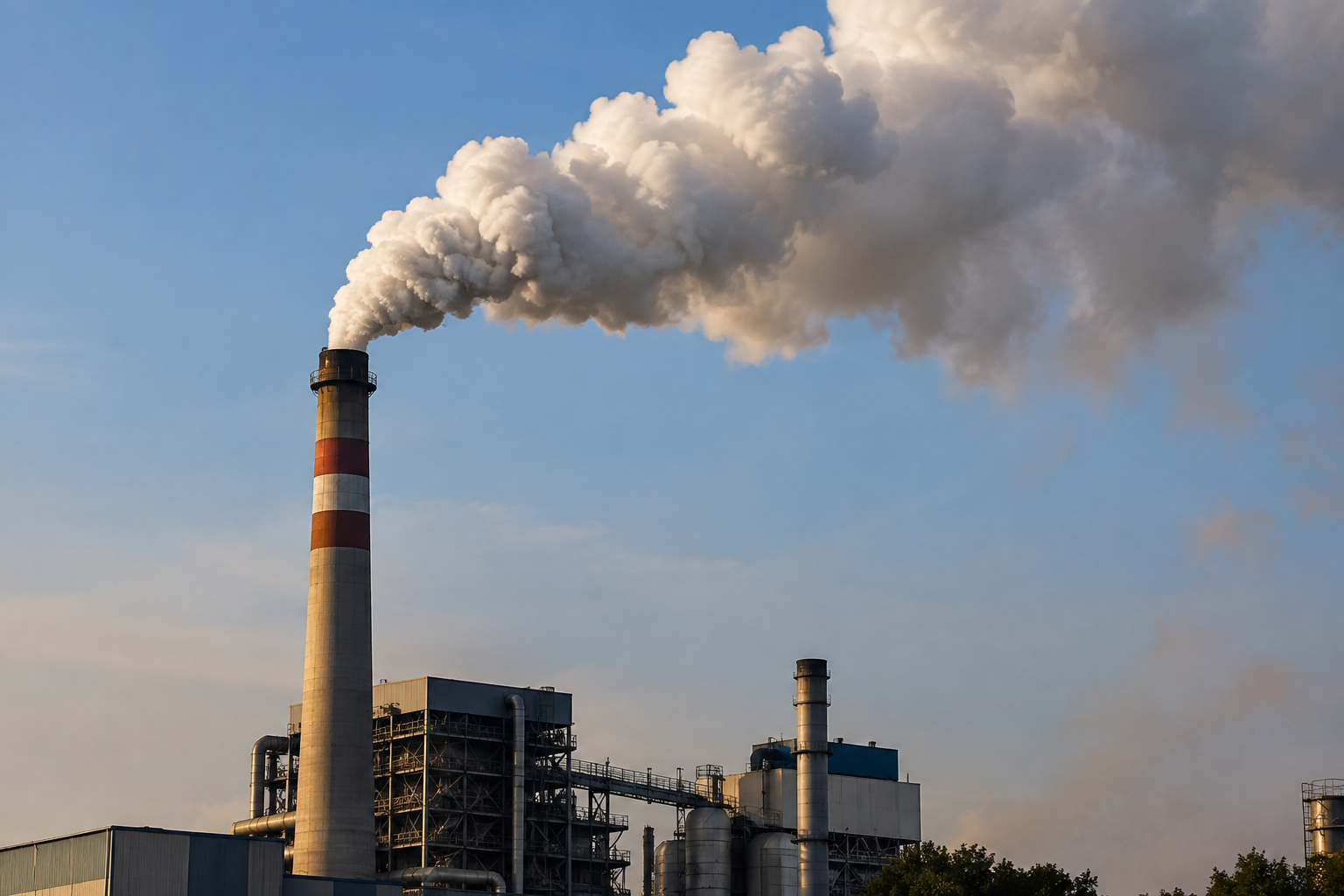
A new report from the United Nations Environment Programme (UNEP) and the Climate and Clean Air Coalition (CCAC) says that taking action against climate change and air pollution could save about 144 million lives by 2050.
The report, called Hidden Assets: The Economic and Health Case for Climate and Clean Air Action, highlights 25 effective measures in areas like energy, transport, industry, agriculture, household cooking and heating, and waste management. These steps could greatly reduce harmful air pollutants and also help slow down climate change.
Some of the suggested measures include increasing renewable energy, improving oil and gas operations, tightening vehicle emission standards, promoting electric vehicles, using cleaner cooking and heating methods, improving farming practices, cutting emissions from waste, and reducing hydrofluorocarbons (HFCs).
This finding arrives as the world faces a serious air pollution crisis. In March 2025, the World Health Organisation (WHO) revealed that around seven million people die each year due to air pollution. A staggering 99 percent of people across the globe are breathing air that does not meet safe levels.
Air Pollution Is a Major Health Risk
The UNEP and CCAC report estimates that these 25 actions could prevent 96 million premature deaths from fine particulate matter (PM2.5) in the air, 43 million deaths from household PM2.5 exposure, and five million deaths linked to ozone by 2050.
These measures could also stop around 62 million childhood asthma cases, 87 million heart attacks, 63 million chronic obstructive pulmonary disease (COPD) cases, 56 million diabetes cases, 45 million strokes, 36 million dementia cases, and seven million lung cancer cases.
The health benefits are vital as PM2.5 and ozone caused an estimated 6.4 million premature deaths worldwide in 2025. Household PM2.5 exposure added another two million deaths, including about 300,000 children.
PM2.5 refers to tiny particles that can get deep into the lungs and bloodstream, increasing the risk of respiratory and heart diseases. Without stronger action, the report warns that the number of people exposed to dangerous PM2.5 levels could grow from 27 percent in 2025 to 34 percent by 2050.
Africa Can Benefit
The report pointed out that Africa is one of the regions that could see big health and economic benefits from these actions. It stated that only about 20 percent of Africa’s population had access to clean cooking fuels in 2020, making household air pollution a serious issue on the continent.
For Sub-Saharan Africa, clean cooking was identified as a crucial intervention because it can provide immediate health benefits by reducing harmful smoke exposure. Southern Africa could benefit from a cost-benefit ratio of 26 to one. Sub-Saharan Africa and North Africa could each gain about US$11 for every dollar spent on these measures.
The report also mentioned that regions in Sub-Saharan Africa and Southern Africa could avoid losses worth 3.5 to four percent of their Gross Domestic Product (GDP) by 2035 by implementing these measures.
Health and Economic Benefits

The economic reasons for acting are strong. The report found that every US$1 spent on these measures could bring around US$15 in economic returns.
Worldwide, these actions could lead to economic benefits equal to 2.8 percent of global GDP by 2035, rising to about 11.4 percent by 2100. These gains would come from lower healthcare costs, better worker productivity, more people joining the workforce, and preventing climate damage.
The climate benefits would also be significant. The report predicts that these measures could prevent about 0.34°C of global warming by 2050 and around 1.4°C by 2100.
By 2050, these measures could cut global carbon dioxide emissions by half, methane emissions by 60 percent, and black carbon and PM2.5 precursors, like sulphur dioxide and nitrogen oxides, by 70 percent.
The report notes that tackling climate issues and air quality together leads to better results since both problems arise from similar sources like fossil fuel burning, farming practices, and industrial activities.
Delays Could Cost Lives
Despite the potential advantages, the report warns that delays in action could result in preventable deaths, diseases, and economic losses. It estimates that each year of delay could mean losing over 0.5 percent of global GDP in benefits, which is more than US$1.5 trillion in total value.
On average, the global implementation of these 25 measures is expected to be delayed by about 7.5 to eight years, with institutional issues causing about 2.4 years of the delay. The biggest challenges are not just technical but also institutional, like poor decision-making, weak cooperation among agencies, lack of funding, and limited enforcement ability.
Nigeria's Steps
Nigeria is mentioned as a country making progress by including short-lived climate pollutants in its Nationally Determined Contribution (NDC). The report also highlights Nigeria’s initiatives on open burning and the Rural Women Energy Security Programme as examples of actions that can bring about social and technological change.
Urgent Call to Action
The assessment calls on governments to include climate and clean air actions in national economic plans and investment strategies. It also asks for more funding for improving institutional capacity, air quality monitoring, emissions inventories, and enforcement.
It recommends prioritizing actions that can quickly improve health, such as clean cooking, controlling methane leaks, managing organic waste, and transport measures. The report urges international partners to provide funding for strengthening institutions, developing policies, transferring technology, and investing in infrastructure, especially in developing areas facing more climate and pollution challenges.


Drop your comment
No comments yet — be the first to drop the gist 👇