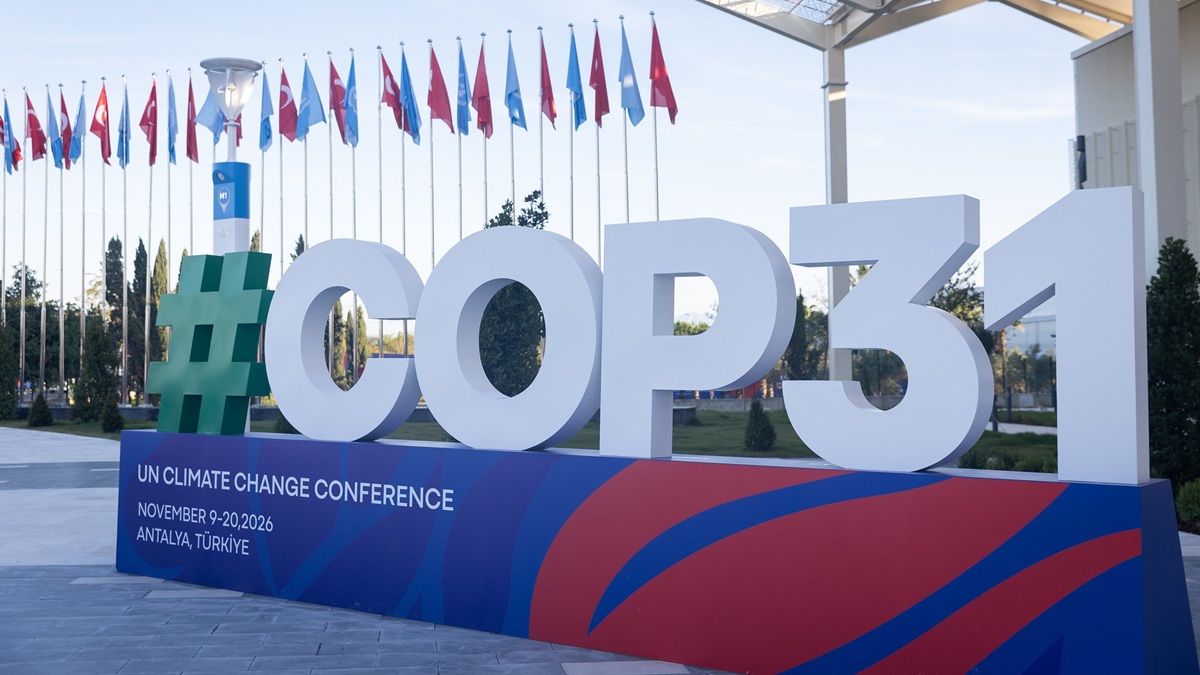
The Climate negotiations in Antalya, Türkiye, are getting close to a final agreement after the talks went past the original end date of 20 November. Negotiators spent the weekend trying to resolve disagreements over fossil fuel phase-out, climate finance, and other tricky issues.
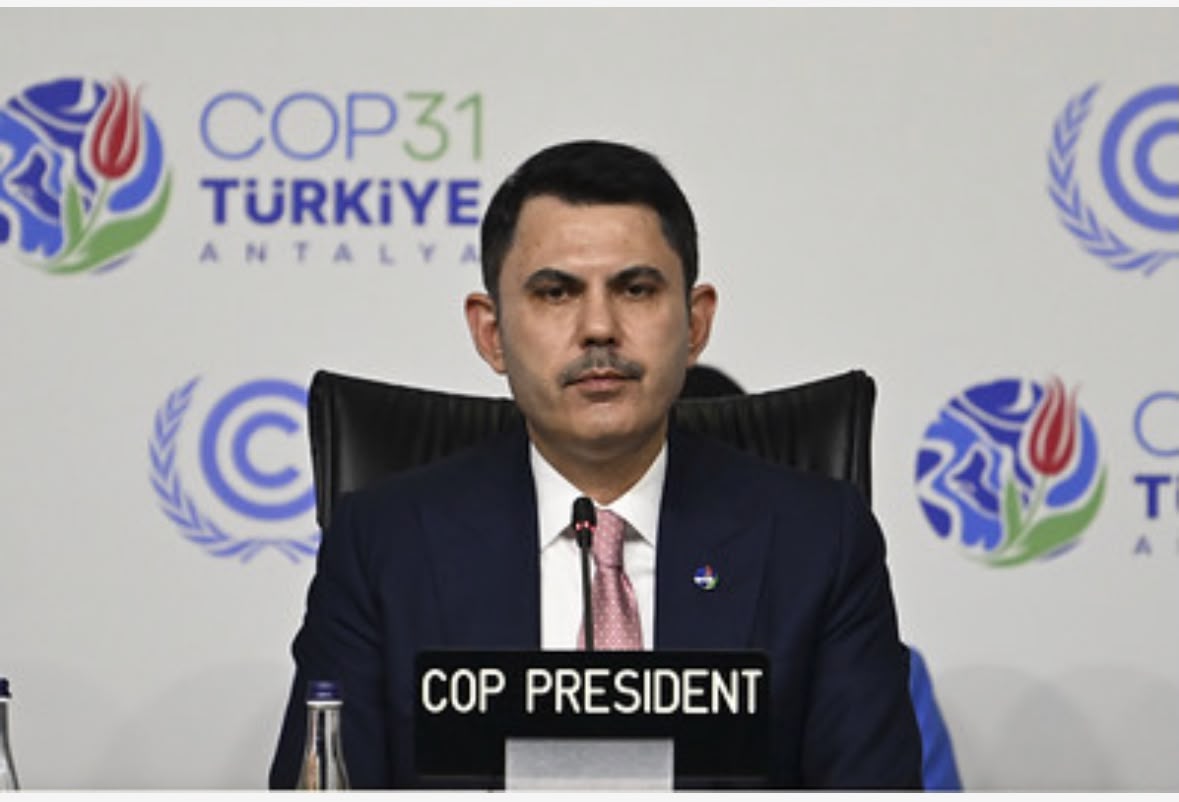
The COP31 co-presidents, Chris Bowen from Australia and Murat Kurum from Türkiye, met with delegates from nearly 200 countries late into Saturday. Many countries and activists were growing frustrated by the slow progress.
Disagreements arose over demands from a group of countries wanting a clear promise to move away from fossil fuels in the final agreement. Developing nations also called for stronger commitments on climate finance to help them deal with worsening climate effects.
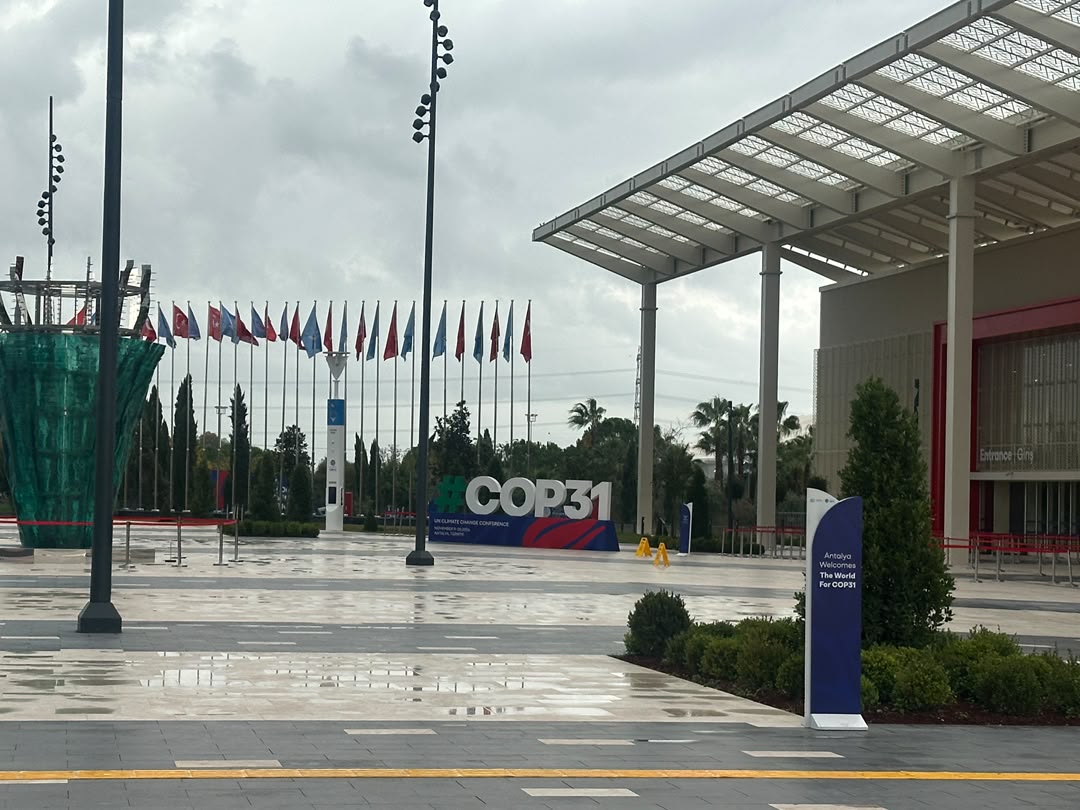
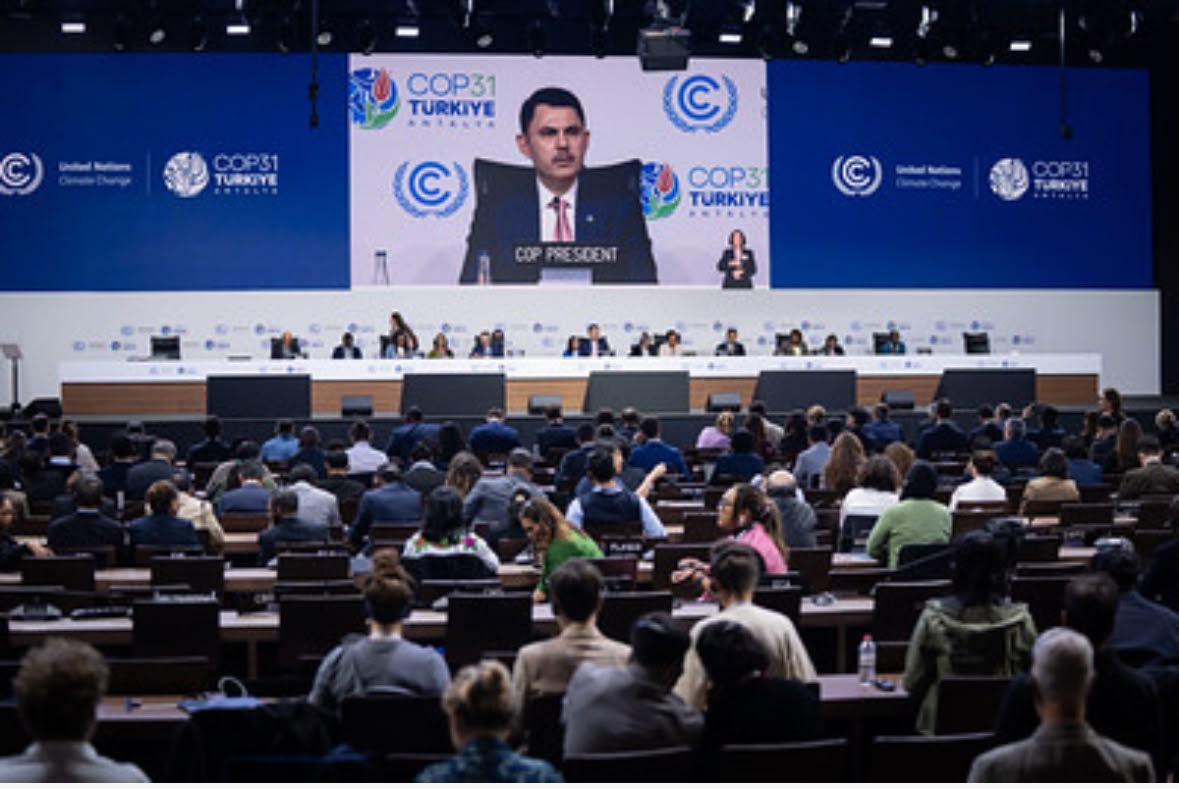
Many frustrated delegates have since left the venue. PREMIUM TIMES noticed on Saturday that the venue, which had nearly 100,000 participants, was nearly empty as the parties could not agree on important issues.
On Sunday, the conference seemed to get closer to a deal after the presidency shared a new draft outcome. They hope this will help everyone reach an agreement.
“We believe that we have put forward a text which all the parties can agree upon,” Mr Kurum said during a late-night session. He added that the conference would meet again on Sunday morning to review and approve the agreement.
The latest draft was created after many talks between Australia, the host country Türkiye, and various country delegations. The COP31 presidency released the third draft around 3 a.m. on Sunday, hours after it was supposed to come out on Friday.
PREMIUM TIMES observed that the latest draft is a 94-paragraph, 10-page document. It is expected to form the basis of the final agreement. It mainly revises earlier drafts, which were criticized for not being ambitious, especially regarding fossil fuel transition and climate finance.
Although Mr Kurum called this text the final version, more changes could still happen during the closing session. However, the new draft has raised worries among activists and some negotiating teams because it lacks clear commitments on fossil fuel transition, adaptation finance, and timelines for upcoming Intergovernmental Panel on Climate Change (IPCC) reports.
On adaptation finance, the draft does not include the $120 billion target that developing countries asked for. Instead, it suggests talks on how to triple adaptation finance under the climate finance work programme.
It also encourages countries to voluntarily offer or keep providing climate finance while calling for more efforts to gather resources for the loss and damage fund. On fossil fuels, the draft does not directly mention transitioning away from them but refers to the outcome of COP28 in the United Arab Emirates, which called for a “just, orderly and equitable” transition away from fossil fuels.
It also does not mention the Brazil-led global plan for transitioning away from fossil fuels, which many countries and campaign groups demanded. The draft keeps the “35 by 35” electrification target promoted by the COP31 presidency. This goal aims to increase the share of electricity in global energy use to 35 percent by 2035. However, this goal is included among various options for global cooperation instead of as a firm promise.
The draft also keeps rules on limiting global temperature rise beyond 1.5 degrees Celsius while suggesting a high-level discussion at COP32 about temperature overshoot. On carbon capture, utilization, and storage, it removes numerical targets but continues to call for speeding up the technology towards a global aim of one gigatonne by 2035.
Other parts of the draft include a two-year work programme on mountains and climate change, talks on reforming the COP process, and mentions of how trade measures impact developing countries.
The push for a clear commitment to move away from fossil fuels is still one of the biggest hurdles to a consensus at the conference. A group of about 130 countries insists that the final outcome must include language on phasing out fossil fuels, stating they are the main cause of global warming.
Maina Talia, climate minister of Tuvalu, a low-lying Pacific island nation that is very vulnerable to rising sea levels, said the issue is a red line for his country. “This [inclusion of a reference to fossil fuels] is a red line for us. We’re talking about the root cause of all this. [Without it] we are wasting our time here,” he said.
Mohamed Adow, director of the Power Shift Africa think tank, said countries came to Antalya hoping for progress on public climate finance, adaptation, and fossil fuels. Instead, they are struggling to stop governments from going back on previous commitments. “We came to Antalya needing progress on public climate finance, adaptation and fossil fuels. Instead, we are fighting to stop governments retreating from promises they have already made. Rich countries have spent two weeks finding reasons not to deliver the [financial] support they promised. It feels like this meeting is unravelling,” he said.
The disagreement over fossil fuels also came up in discussions about carbon capture and storage (CCS), a technology supported by Saudi Arabia and other countries that rely on fossil fuels. While some nations believe CCS can help cut emissions, others worry it could let oil, gas, and coal production continue under the guise of reducing emissions.
Negotiators have looked into possible middle grounds, like reducing references to CCS while boosting commitments to electrification. Activists blame fossil fuel interests and the failure of wealthy countries to deliver promised climate finance for the long negotiations.
Nick Dearden, director of Global Justice Now, said that fossil fuel interests are still affecting efforts to make real climate agreements. “This must be the last time we allow fossil fuel interests, which are profiting so handsomely from the climate crisis, to hold us to ransom,” he said. He added that efforts to fight climate change will stay limited as long as powerful economic interests keep making money from fossil fuels.
The demand for a fossil fuel transition plan was in an earlier draft of the COP31 outcome but was removed from a later version published on Thursday. After unsuccessful talks, the European Union, the United Kingdom, least developed countries, small island states, and several African countries marched to the presidency’s office on Saturday evening, asking for the commitment to be brought back.
The long negotiations have raised questions about how effective the COP31 presidency has been, which is led by Australia and Türkiye after a compromise was made last year when both countries wanted to host the conference. Claudio Angelo from Observatorio do Clima criticized this arrangement, saying that the joint presidency has weakened the process. “It goes to show how a weak presidency, split between two countries with little tradition in climate diplomacy, can be detrimental to a process already victimised by geopolitics,” he said.
The negotiations are happening as warnings grow that global warming is likely to exceed the 1.5-degree Celsius limit set in the Paris Agreement. This increases the risks of extreme weather and other climate impacts. Delegates were expected to meet again on Sunday morning to look at the latest draft, with the presidency aiming to reach a consensus and finish the long talks.
Drop your comment
No comments yet — be the first to drop the gist 👇