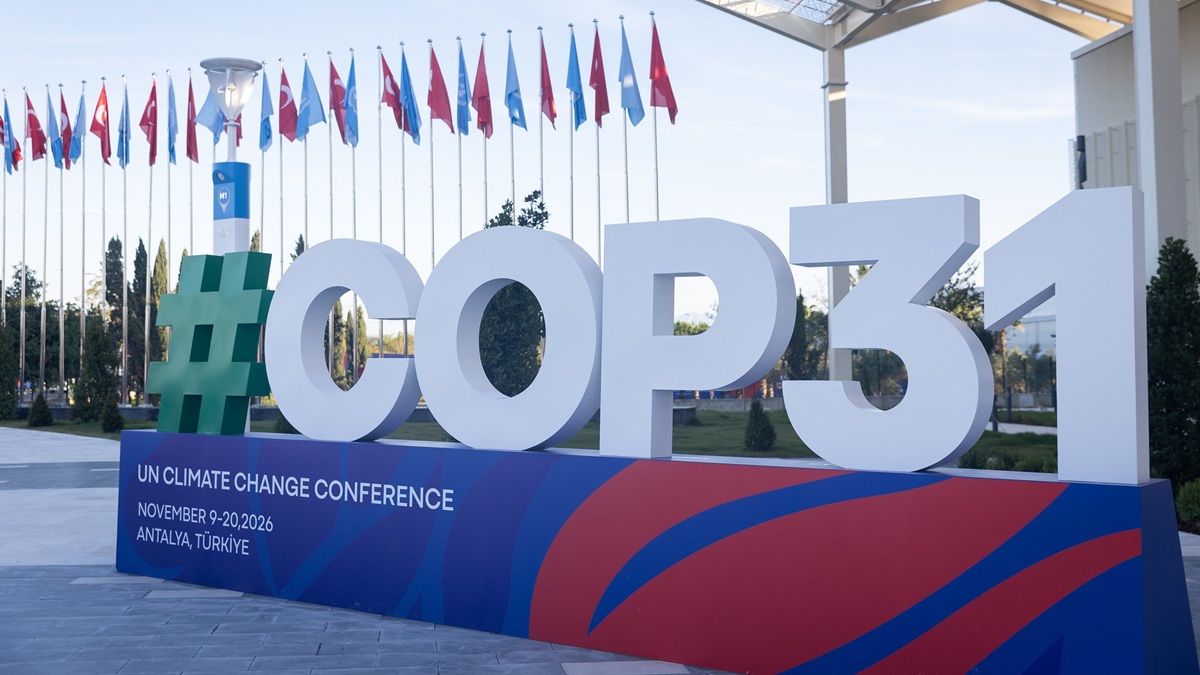
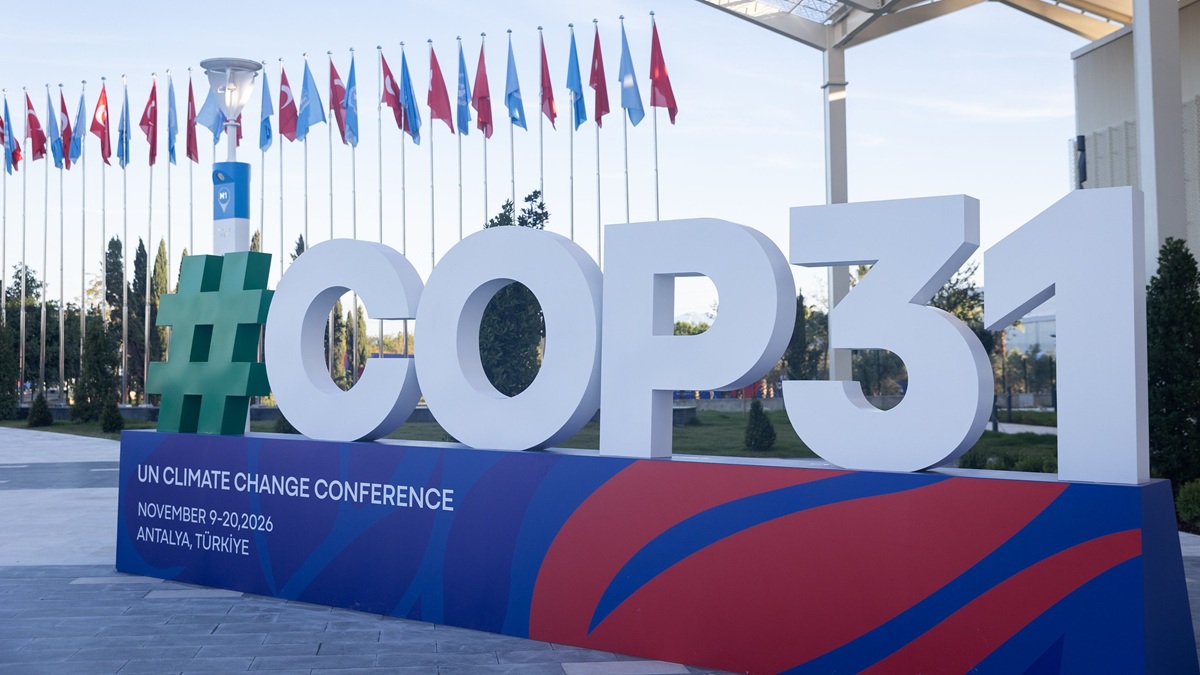
The 31st session of the United Nations Climate Change Conference (COP31) started on 9 November and was meant to wrap up on 20 November. But the talks have run over time as negotiators from almost 200 countries could not agree on key issues, especially on fossil fuels and climate finance.
Environmental groups watching the talks in Türkiye have called the summit likely to be the “worst COP ever.” They accuse delegates of not being ambitious enough to tackle the serious climate crisis.
The disagreements got worse after the release of an initial draft agreement on Monday. This draft mentioned fossil fuels and a $120 billion climate finance target to help developing nations deal with climate change. But the revised text released on Thursday removed those points.
A review of the document by PREMIUM TIMES showed that the updated draft is now down to nine pages and 80 paragraphs. This is a change from the 18-page draft published earlier, which had 144 paragraphs.
The earlier draft included some of the most difficult issues still to be settled in the talks. Observers say many of its provisions will likely not remain in the next drafts.
Normally, climate summits end with an agreement on how countries plan to work together to address climate change. These agreements, adopted by nearly 200 nations, are mostly voluntary and not legally binding.
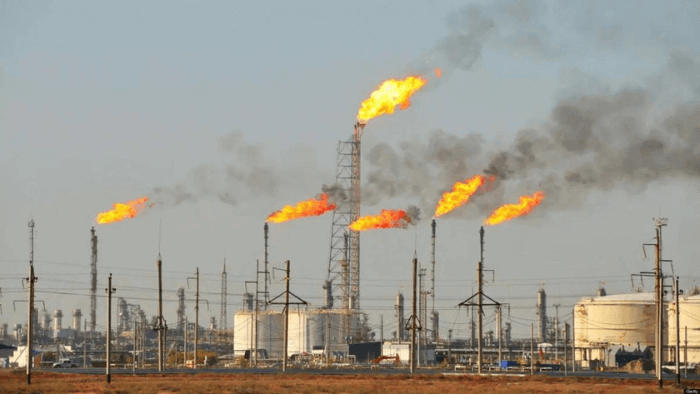
Past COPs have struggled to agree on a plan to move away from fossil fuels like coal, oil, and gas. These fuels are the main causes of global warming, heating oceans, and worsening air pollution. Climate change has also led to extreme weather events, such as deadly heatwaves in Europe and severe floods in Nepal.
At COP28 in Dubai, one key decision was the adoption of the UAE Consensus. Under this agreement, countries promised to transition away from fossil fuels in energy systems in a fair and orderly way to achieve net zero by 2050.
The removal of mentions about moving away from fossil fuels in the latest COP31 draft has raised fresh concerns. Observers argue that tackling the climate crisis needs a clear move away from fossil fuel reliance.
Mohamed Adow, director of Power Shift Africa, warned that COP31 could become the “worst COP ever” if the final agreement does not include a commitment to phase out fossil fuels. He spoke at a press conference before Friday’s plenary, which was supposed to be the last session. Negotiators were still struggling to agree on a deal in Antalya.
The plenary session on Friday faced another disruption when an unknown activist interrupted a session led by COP31 President and Türkiye’s Minister of Environment, Murat Kurum. The activist stood up with a red rope around his neck, held a piece of paper, and yelled: “You are killing the future.”
He also accused delegates of not acting on the climate crisis. He said: “The climate crisis is killing us and you do nothing. You are taking our fossil fuel, you claimed 1.5, there is no money. The Global South can’t live with this.” The activist was quickly removed as other participants looked on.
The changes in the revised draft have also led to protests by environmental groups at the conference. Activists showed their frustration, saying the diplomatic process has failed to produce real climate action.
In a surprising move, Panama threatened to formally object to the final agreement if it does not address climate finance and limits on oil production, among other demands. Panama’s Environment Minister, Juan Carlos Navarro, claimed negotiations are being held hostage by a “petroleum mafia” and called for changes to the COP process.
“The COPs have become an exercise in hypocrisy and futility,” he said. “What we have here is a contest to see who speaks the most, who blows the most hot air.”
Before COP31, the United Nations warned that the world is very close to missing the target of limiting global warming to 1.5 degrees Celsius above pre-industrial levels. The main disagreements at the summit focus on whether the final agreement should mention fossil fuels and if it should provide financial support for vulnerable countries facing climate impacts.
Climate negotiators took out references to moving away from fossil fuels in the slimmed-down draft released on Thursday. This followed objections from Saudi Arabia and other major oil and gas-producing nations. Although the conference was set to end on Friday, climate talks often go past their deadlines as countries struggle to agree.
This year’s discussions are also affected by wars and rising living costs, which are distracting policymakers and the public. The United States, known as the world’s largest greenhouse gas emitter, has been absent from the negotiations for the second year in a row. President Donald Trump had pulled the country out of climate cooperation, claiming global warming is a hoax.
A United Nations report from last month warned that the world is on track to exceed 1.5 degrees Celsius (2.7 degrees Fahrenheit) of warming. This is above the levels nations agreed to maintain under the 2015 Paris Agreement.
The revised draft also removed the proposed $120 billion target for climate finance to help developing countries adapt to climate change. A new version of the text was expected later on Friday, but not much hope remained for significant changes.
“We can see where it’s going, and it’s not going to be a high-ambition text,” said Ralph Regenvanu, climate minister of Vanuatu. His country faces threats from rising sea levels and stronger storms.
Chris Bowen, the Australian president of negotiations, told reporters on Friday that he still hopes for an agreement that everyone can accept. “Things worth doing, in my experience, don’t come easy,” he said. “People have strong views, of course. I’m not stepping away from that, but no one has said to me ‘Let’s give up and go home’.”
The contentious draft acknowledges the risk of global temperatures going above the 1.5-degree mark. It also encourages the faster use of technologies to remove greenhouse gases from the air to eventually bring temperatures down.
But many country delegations have criticized these carbon removal technologies. They argue that these technologies are costly, unproven at a large scale, and could allow continued oil and gas production.
“It allows developed countries to continue producing oil and gas with a claim that CCUS (carbon capture, utilization and storage) will fix it, while we will have a bigger role to triple renewables, which is not balanced at all,” said Bob Natifu, Uganda’s commissioner for climate change and carbon markets.
OPEC members Saudi Arabia and Venezuela have also pushed for a continued role for fossil fuels in their speeches at the conference. Mr Adow, director of Power Shift Africa, was clear about his view of the negotiations.
“The COP presidents want to tell us this has been a great COP. Well, I can tell you without any doubt that this has been the worst COP ever.”
Leaders from countries hit hardest by climate change, mostly poorer nations with low greenhouse gas emissions, have accused rich countries of not delivering on climate finance promises. They say that funds for climate adaptation and clean energy projects are not enough compared to what the United Nations says they need.
The draft agreement calls for tripling climate finance for adaptation but does not mention a specific amount. An earlier version suggested at least $120 billion yearly.
The absence of major polluters from the talks, including the US, which is the world’s largest economy and a significant emitter, has made it harder to secure financial promises. Vulnerable countries want funding from rich nations, including the US, but the lack of American officials at the talks complicates negotiations.
Efforts to reduce global warming have stalled over the last five years, according to a recent report by Climate Action Tracker. The African Group of Negotiators on Climate Change (AGN) has emphasized its commitment to achieving meaningful results for Africa. They have identified climate finance, a just transition, adaptation, and climate impacts as their top priorities.
Since the first draft was released on Monday, African climate activists have grown more frustrated with the slow progress of talks and the unwillingness of developed countries to make solid commitments.

Drop your comment
No comments yet — be the first to drop the gist 👇