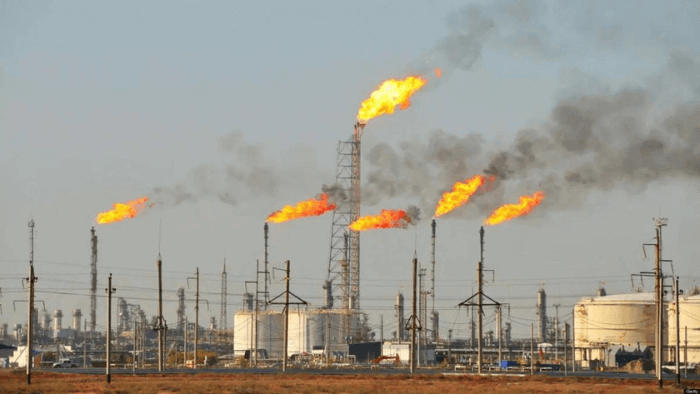
Climate advocates are worried that a new carbon capture target in the COP31 negotiations could keep the world hooked on fossil fuels instead of speeding up the fight against greenhouse gas emissions.
They believe this target could give oil and gas-producing countries a reason not to cut down on fossil fuel production. It might also take away money from renewable energy and other actions needed to fight climate change.
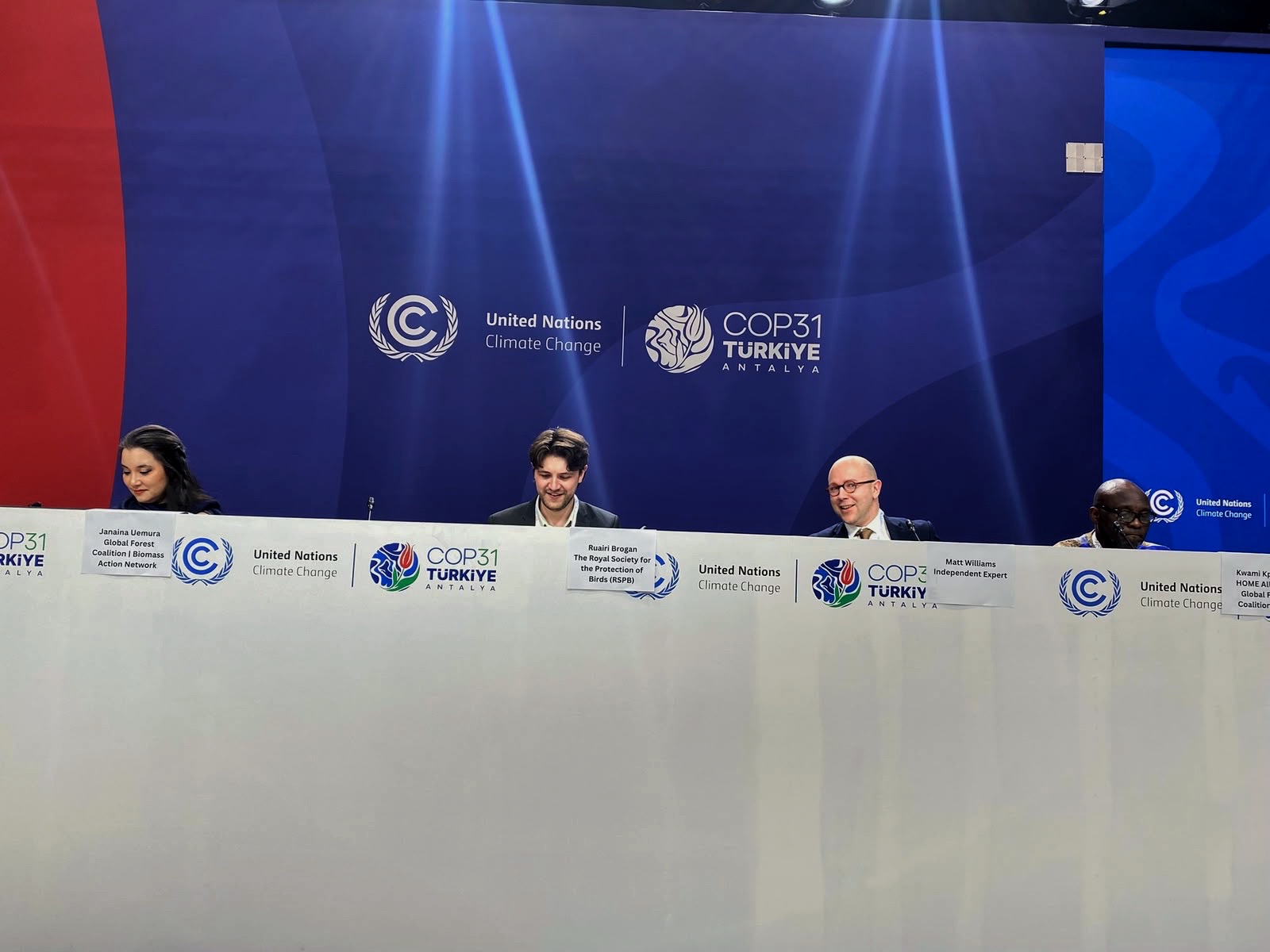
These comments were made at a media briefing during the ongoing UN climate conference in Antalya, Türkiye, on Wednesday.
The worries came after the first draft of the conference’s Cover Decision included plans for Carbon Capture, Utilization and Storage (CCUS) and Carbon Dioxide Removal (CDR). This draft outlines what political outcomes are expected from the negotiations.
Paragraph 60 of the draft says countries should help boost CCUS deployment to at least 500 million tonnes of carbon dioxide every year by 2035. It also asks them to work towards a capacity of between 1.3 billion and 2.5 billion tonnes annually by the same year.
This proposed target has raised alarms among advocates. They claim the technology is still costly, has not delivered the expected results, and could let fossil fuel companies continue operating without making the necessary cuts to emissions that are needed to limit global warming.
Rachel Kennerley, an international carbon capture senior campaigner at the Centre for International Environmental Law (CIEL), said COP31's focus on technology is distracting from the urgent need to stop using fossil fuels.
She explained that carbon capture technologies are meant to trap carbon dioxide from industrial sites like power plants and fertilizer factories before it gets into the air. This captured gas is then usually moved through pipelines or ships for underground storage or use in industries.
But Ms Kennerley said this technology does not fix the main issue, which is the ongoing production and use of fossil fuels.
“At best, it can only prevent emissions from hitting the atmosphere. It cannot remove emissions,” she said. She made it clear that carbon capture and storage is different from technologies that remove carbon dioxide already in the air.
She also questioned how effective the technology is, saying that many operational projects are few in number and that the actual capture rates often fall short of the 90 to 95 percent levels promised by its supporters.
Ms Kennerley noted that over 80 percent of the captured carbon is still being used to get more oil and gas. This raises concerns that the technology could lead to more fossil fuel production.
Romain Ioualalen, a global policy campaign manager at Oil Change International, pointed out that the proposed target is not backed by the current performance of the industry.
He said to reach the goal of 1.3 billion to 2.5 billion tonnes annually by 2035 would need a huge increase in a technology that has struggled to grow despite years of investment.
Mr Ioualalen mentioned that the proposed figures could mean a 20- to 40-fold rise in existing carbon capture capacity within the next decade. He also questioned where these numbers came from, saying they had not been properly checked before being included in an international climate agreement.
He believes including such targets could make governments think they can keep fossil fuel operations going, believing they can capture and store emissions later.
“The only serious way to prevent CO2 from getting into the atmosphere is to move away from fossil fuels and use renewable energy widely,” he said.

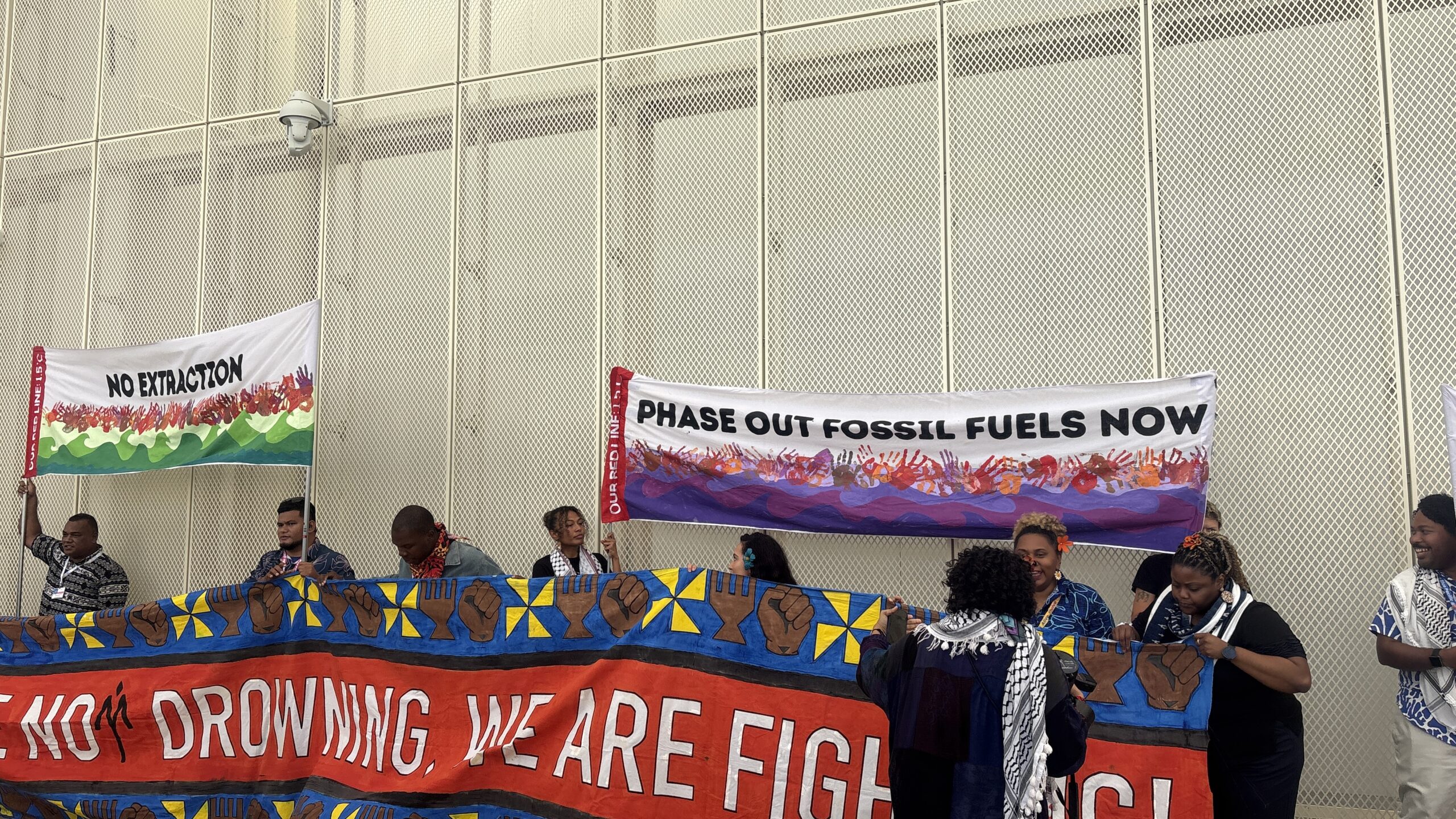
Mr Ioualalen further argued that the proposed carbon capture goals go against the conference’s broader talks on electrification, which aim to use more electricity in areas still using fossil fuels.
He warned that if governments keep relying on gas and other fossil fuels while treating carbon capture as a quick fix, they could hurt electrification efforts.
Beyond fossil fuel production, advocates also raised worries about how carbon dioxide removal technologies could affect land, food production, and local communities.
They specifically questioned Bioenergy with Carbon Capture and Storage (BECCS). This involves growing plants, using them to make energy, and capturing the carbon dioxide produced for storage.
This method could need large areas of land for growing the plants, which might put pressure on agricultural land and the communities that rely on it for their survival.
The advocates also expressed worries about new marine carbon removal technologies, like ocean fertilization and ocean alkalinity enhancement. They said these could disrupt marine ecosystems and affect fishing communities.
They argued that putting money into these technologies could take resources away from adaptation programs and other efforts that directly help communities already facing climate change.
These concerns are especially important for developing countries, where land and natural resources support food production and the livelihoods of vulnerable people.
They urged negotiators to make sure that carbon removal technologies do not replace deep emissions cuts or hurt the rights of indigenous peoples and local communities.
Paragraph 58 of the draft Cover Decision acknowledges that carbon dioxide removal is needed to keep global warming below 1.5 degrees Celsius. But it also states that this must support, not replace, deep emissions cuts.
It calls for environmental protections and respect for the rights of indigenous peoples and local communities.
Paragraph 59 welcomes efforts to boost the development and use of CCUS and CDR technologies.
However, advocates have called for the proposed carbon capture target to be removed, arguing that including it could give more political backing to technologies they believe are not effective in tackling the climate crisis.
CIEL reported that 700 lobbyists from the carbon capture industry have been allowed into COP31, marking a record presence for this sector at a UN climate conference.
The draft Cover Decision is still open for negotiation, meaning the proposed plans could change before countries reach a final agreement.

Drop your comment
No comments yet — be the first to drop the gist 👇