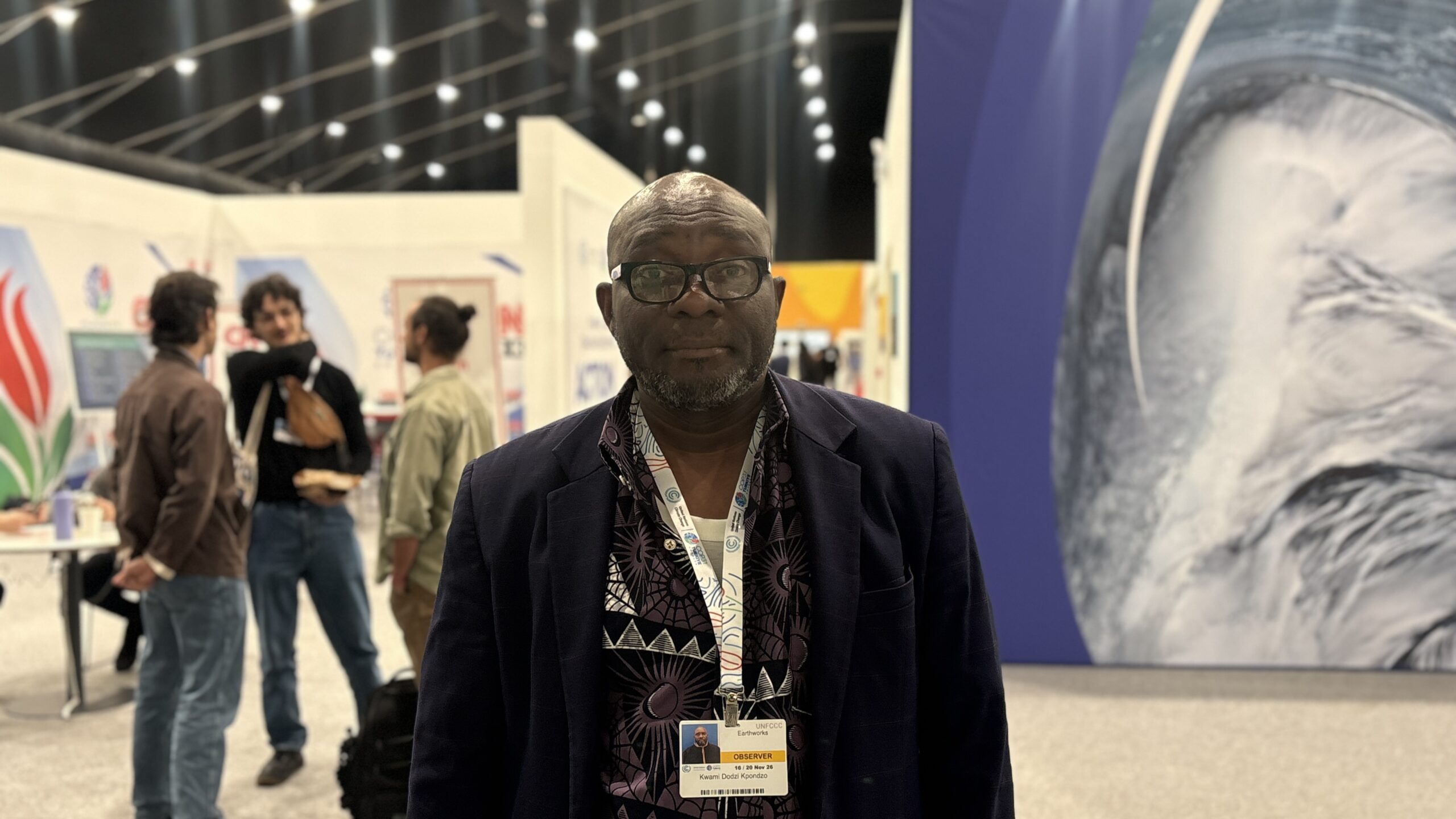
An environmental activist has raised concerns that plans to boost carbon dioxide removal technologies at the COP31 climate talks could harm African communities and worsen food shortages. Kwami Kpondzo, who is with the Global Forest Coalition and co-coordinator of the Africa Working Group of the Hands Off Mother Earth (HOME) Alliance, said that these technologies could add heavy costs for people already facing climate challenges.
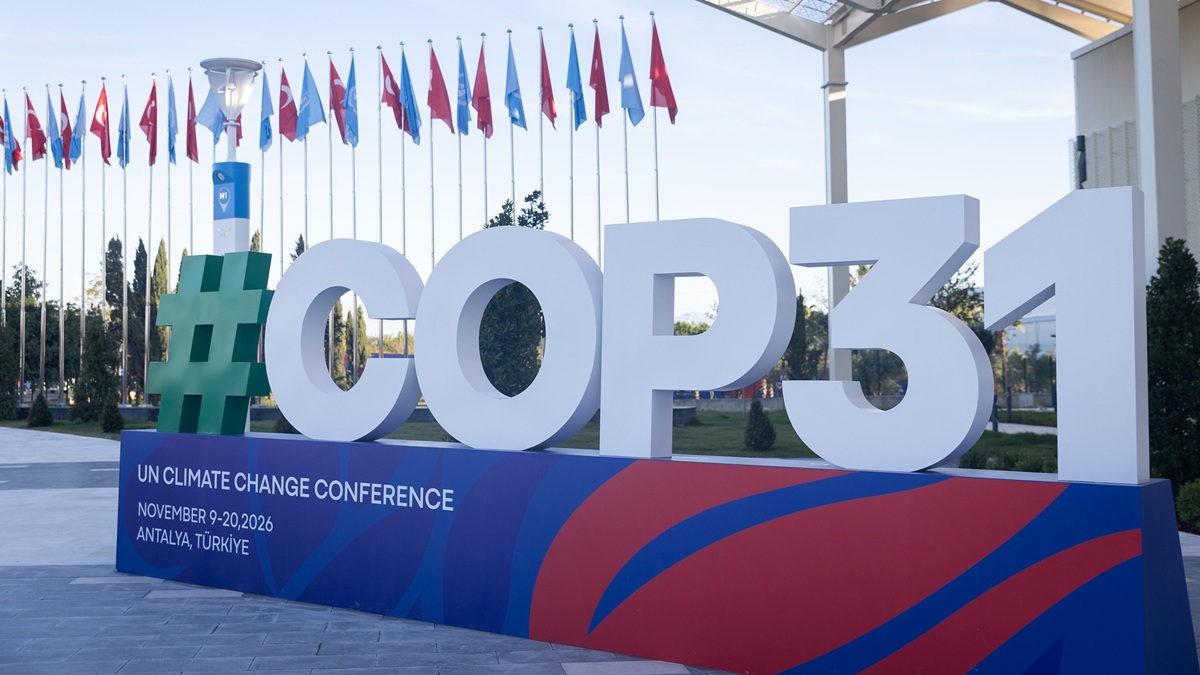
In an interview with PREMIUM TIMES in Antalya, Türkiye, Kpondzo explained that focusing too much on carbon removal might let big polluters keep releasing greenhouse gases instead of cutting down pollution at the source. His worries come as negotiators look at provisions in the first draft of the COP31 cover decision that support the growth of carbon capture and carbon dioxide removal technologies.
The draft calls for efforts to ramp up carbon capture, usage, and storage (CCUS) to at least 500 million tonnes of carbon dioxide by 2035. It also urges countries to aim for removing between 1.3 billion and 2.5 billion tonnes of carbon dioxide each year by the same year. While the draft acknowledges that carbon dioxide removal might be necessary to keep global warming below 1.5 degrees Celsius, it insists these methods should support, not replace, significant cuts in emissions.
But some environmental groups are worried about the social and environmental impacts of using these technologies on a large scale. Kpondzo said the bioenergy with carbon capture and storage (BECCS) method would need a lot of land if used widely. This could pressure land used by farmers, especially in African nations where smallholder farming is key for food and income.
“If BECCS should work, it needs a huge amount of land. Africa’s economy is based on agriculture, and people need land to cultivate and have food. If land is taken from communities, it means they will not have access to land to cultivate,” he said. He warned that losing land could hurt family incomes, education, and housing, especially where families rely on small farming to support their children’s schooling and meet basic needs.
Kpondzo also expressed worries about displacing communities and the chemicals used in large-scale biomass farming. He said these could harm soil quality, water sources, and biodiversity. He described the potential effects as issues of human rights, including the rights to food, water, housing, and a healthy environment.
The activist criticized plans to explore marine carbon dioxide removal. This method aims to use oceans or marine ecosystems to absorb carbon dioxide. He mentioned that some suggested methods, like ocean alkalinity enhancement and ocean fertilisation, could harm marine ecosystems and threaten fishing communities.
Ocean alkalinity enhancement adds alkaline materials to seawater to increase its ability to absorb carbon dioxide. Ocean fertilisation aims to boost marine life, such as phytoplankton, which takes in carbon dioxide through photosynthesis. Kpondzo warned that these experiments could risk fishing communities if they upset marine ecosystems.
He questioned why governments would spend money researching technologies with uncertain environmental impacts when vulnerable communities urgently need help to adapt to climate change. “We are here to find a solution to the climate crisis, not to put more burden on the community,” he said.
Kpondzo argued that funds for research should be used for adaptation projects and community-led practices that work with nature. Beyond the possible effects on land and marine life, he noted that investing in carbon removal could complicate Africa's long-standing request for more climate finance, especially for adaptation. He insisted that funding for carbon removal should not replace the financial responsibilities of wealthy nations to support developing countries facing climate challenges.
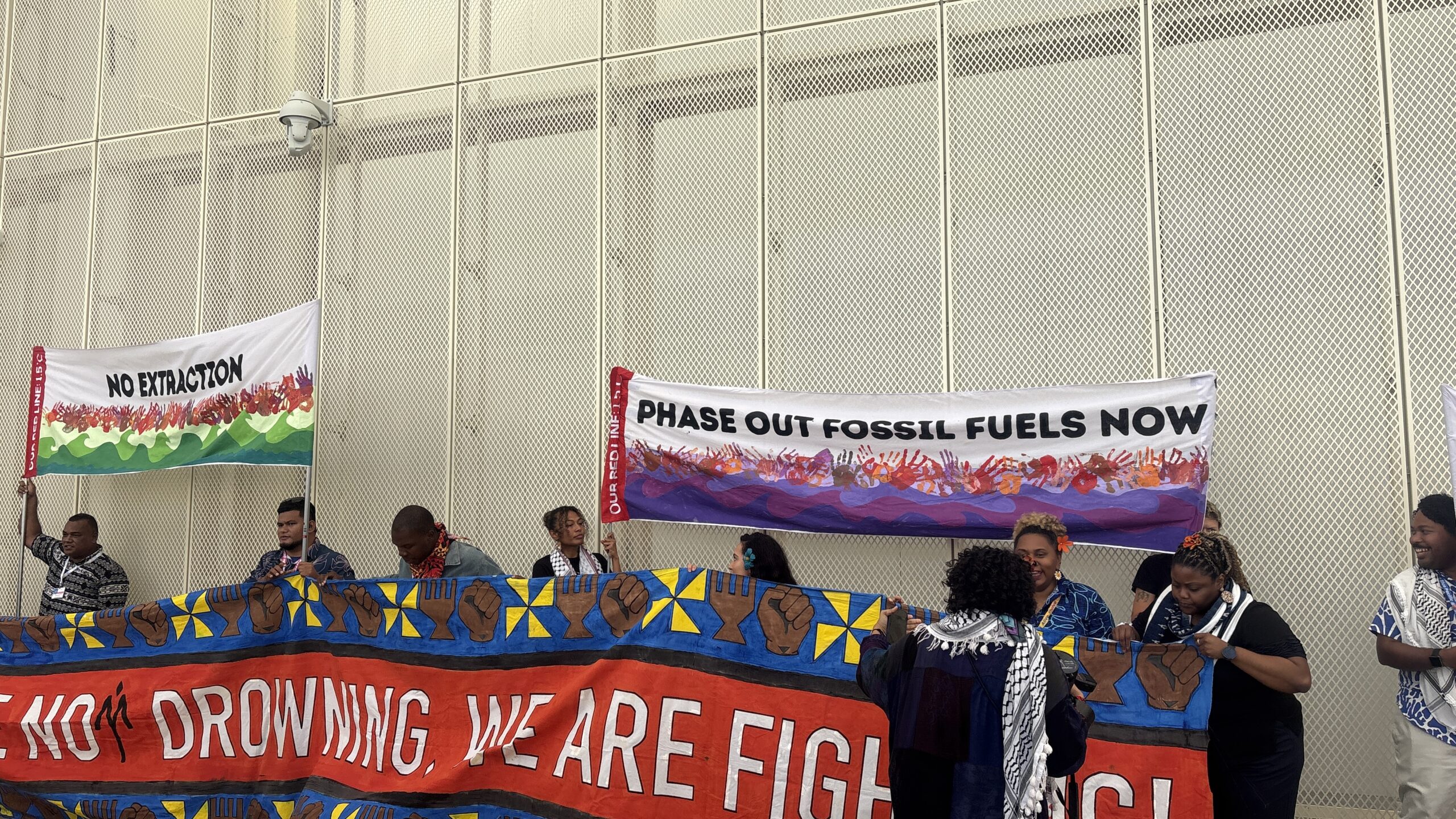
“We need climate debt to be paid, not climate finance,” he said, adding that countries with a bigger share of historical greenhouse gas emissions should meet their obligations instead of using carbon markets to show climate action. He stated that Africa needs more direct investment in projects like agroecology, sustainable forest management, and community-led adaptation.
Agroecology focuses on farming methods that improve soil health, protect biodiversity, and reduce reliance on chemicals. Kpondzo argued that funding for carbon capture and removal could support these methods, which he believes would provide more immediate benefits to communities.
He also questioned whether ongoing investments in oil and gas would really solve Africa’s energy access issues. He pointed to Nigeria, where electricity shortages persist despite years of oil and gas production. “Every time I go to Nigeria, I experience power cuts. It is terrible,” he said.
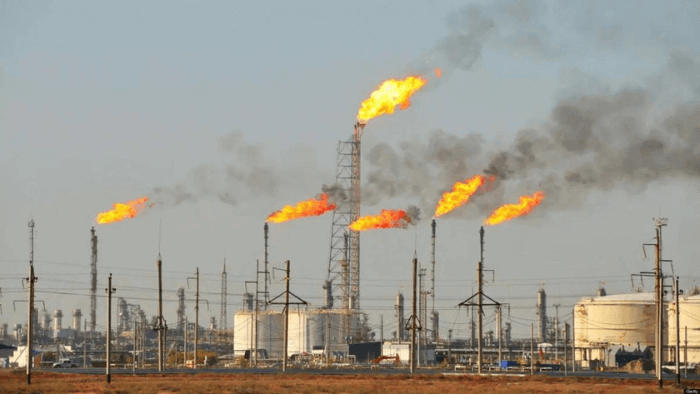
Kpondzo stated that communities in oil-rich areas still suffer from pollution, gas flaring, and black soot, while many lack reliable electricity. For Africa, he said, the focus should be on clean, accessible energy that serves local communities, rather than systems that rely on fossil fuels or benefit wealthier nations.
He also warned about the extraction of critical minerals needed for renewable energy technologies, noting that it could create new environmental and social pressures on African communities if not managed properly. “We need electrification that will benefit the Global South, not electrification that will benefit the Global North,” he said. “It should be from clean energy, people-centred and democratised.”
The debate on carbon removal is part of broader discussions at COP31 on how countries can deal with the risk of global warming going beyond the 1.5-degree Celsius limit. Some supporters say carbon removal is necessary alongside emissions cuts to deal with leftover emissions and to remove carbon dioxide already in the atmosphere. Critics worry that depending on these technologies could lessen pressure on governments and companies to reduce fossil fuel use.
The COP31 draft cover decision is still not a final agreement. A note with the 16 November draft said the text was meant to help further discussions and did not reflect agreement among parties. Kpondzo urged African nations to push back against proposals that could delay emissions cuts while adding pressure on communities and natural resources.
He called for governments to focus on cutting fossil fuel emissions directly and investing in solutions like agroecology and forest management. “We can’t be doing the same thing and expect something different as a result,” he said.


Drop your comment
No comments yet — be the first to drop the gist 👇