African climate activists have raised concerns about a global electrification target at the COP31 climate conference. They warn that the current proposal might let countries increase fossil fuel electricity generation while pretending to make progress toward cleaner energy.
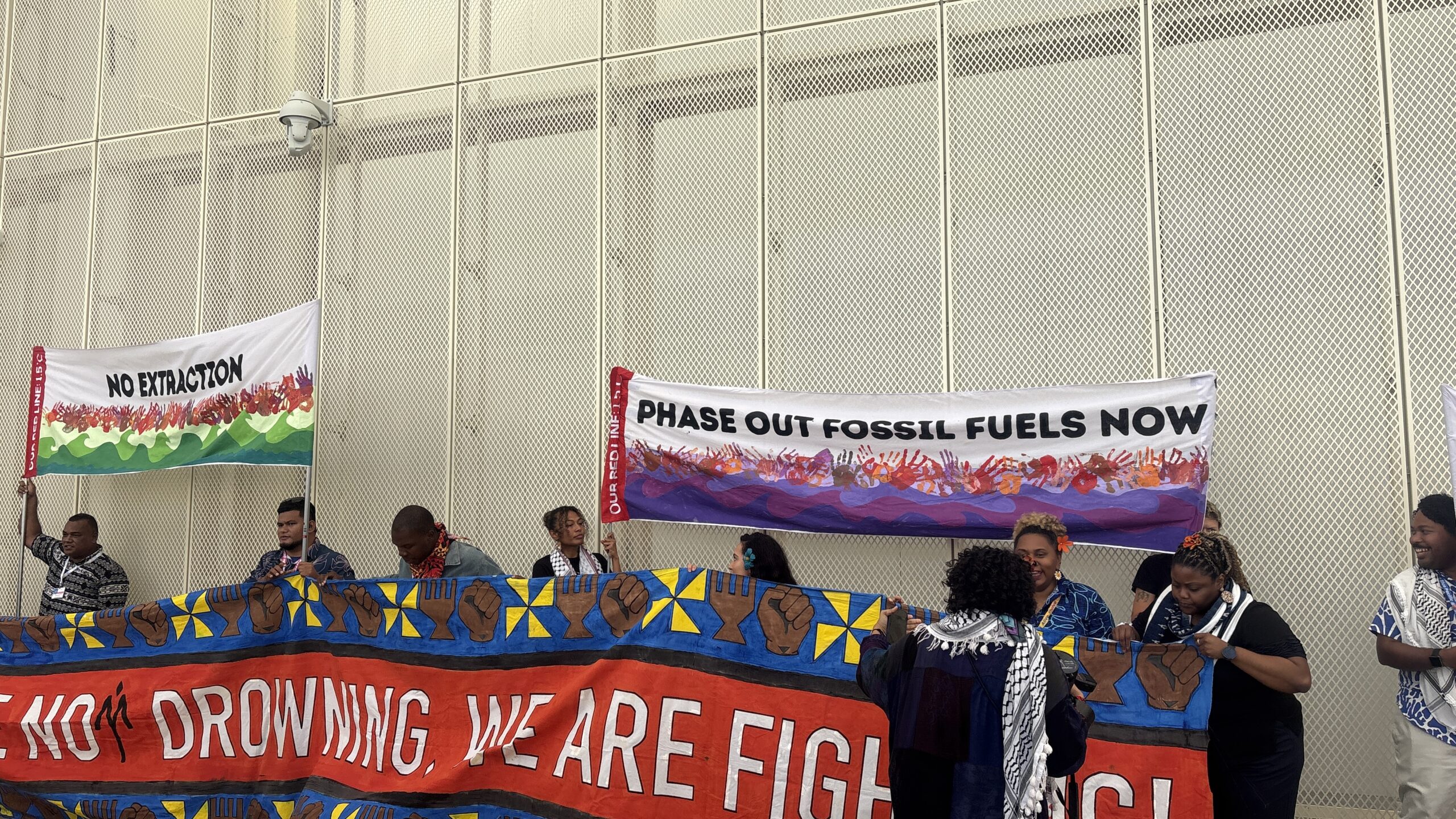
The activists held a protest at the conference venue on Tuesday, demanding an electrification plan that focuses on renewable energy, increases electricity access, and meets the needs of local communities instead of just commercial interests.
Chanting phrases like "Phase out fossil fuels now" and "No extraction," the protesters displayed banners calling for a people-centered approach to electrification as talks continued about the conference’s proposed 35-by-35 target.
This target, promoted by the COP31 Presidency, aims to raise electricity's share of global energy use from about 23 percent today to 35 percent by 2035.
The goal is to replace direct fossil fuel use in areas like transportation, buildings, and industry with electricity. This change should help reduce emissions and improve energy efficiency. But activists say the plan could miss its climate goals if governments are not made to ensure that the extra electricity comes from clean sources.
The demonstration was set up by African members of the Climate Action Network (CAN) Africa to mark Africa Electrification Day.
In September, Türkiye’s COP31 Presidency introduced the Global Electrification Pledge. They presented it as a key initiative to speed up electricity use in different sectors of the global economy.
This pledge highlights the importance of clean power, energy storage, modern electricity grids, and international cooperation, especially to help developing countries. But it does not require that countries meet the growing electricity demand with renewable energy.
Tensions rose after the first draft of the COP31 cover decision was released on Monday. The draft urges countries to increase electricity's share of global energy consumption to 35 percent by 2035, while considering national situations.
However, it also acknowledges that electrification is beneficial, regardless of the electricity mix. This has raised worries among climate activists that countries could achieve the target without cutting back on fossil fuel use.
This distinction matters because electrification does not automatically mean lower emissions if the electricity comes from coal or gas. For example, switching petrol cars for electric ones may reduce direct emissions from transport. But the overall climate impact depends on how the electricity for those cars is produced.
The same principle applies to electric heating systems and industrial processes. A briefing released on Tuesday by Climate Analytics, a climate science and policy group, stated that reaching the 35-by-35 target without requiring that new electricity comes from clean sources could raise global warming by 0.11 to 0.14 degrees Celsius by 2050.
Their analysis found that the target would boost global electricity demand by about 50 percent from current levels. But if renewable energy growth does not keep up, gas-fired electricity generation may rise.
Comparing two scenarios, one based on current policies and another where new demand is met with clean electricity, the analysis estimated that the difference could lead to 234 to 317 gigatonnes more carbon dioxide emissions by 2050.
Climate Analytics emphasized that governments committed to the Paris Agreement’s 1.5-degree Celsius target should ensure that the COP31 outcome explicitly mentions clean electrification.
During the protest, Kapwani Kavenuke, an energy campaigner with Power Shift Africa, said the demonstration aimed to challenge the differing views of electrification at COP31. She noted that discussions among private sector representatives often focus on industrialization, transportation, and the rising electricity needs for AI.

But she believes African countries should have different priorities, given their significant electricity access issues. "What the world actually needs is renewable-based electrification," she said.
Kavenuke also criticized promoting electrification while still investing in fossil fuels, calling it a dangerous distraction from moving toward renewable energy. She questioned the focus on technologies like carbon capture and storage, stressing that their development depends heavily on fossil fuel energy.
She added that African governments need to develop the skills and industries to benefit from the global energy shift. She warned that even though Africa has many minerals needed for renewable energy, it might stay reliant on foreign companies if it doesn't grow local manufacturing.
"We need the education, we need the skilling, we need the industries on the ground," she said. She urged governments to closely examine foreign investments in crucial minerals and ensure local communities benefit.
Muhammed Saidykhan, director of the Building Power Department at Climate Action Network International, also spoke to PREMIUM TIMES. He said the protest aimed to ensure that Africa’s energy transition meets the needs of its people.
He pointed out that over 600 million Africans face energy poverty, and many lack access to clean cooking methods. Saidykhan argued that electrification should not focus mainly on industrial and AI energy demands but should provide affordable, reliable electricity to communities.
He called for a fair transition plan that guarantees community involvement and ensures that African countries benefit from their resources. "The demand is simple and straightforward. They want a mechanism on just transition in place that will protect the people's interests," he said.
He also noted that lack of climate finance and divisions among African nations pose significant challenges to pushing the continent's needs in international talks. "The world is getting greener at Africa's expense. They are taking from Africa, going to Europe, to power Europe," he said, urging stronger cooperation among African nations to secure better benefits from their minerals.
In Nigeria, this debate highlights the environmental costs of relying on fossil fuels. Tijah Bolton-Akpan, executive director of Policy Alert Nigeria, said over 60 percent of Nigeria’s electricity comes from gas mainly extracted in the Niger Delta. Communities there face gas flaring, polluted water, damaged farmland, and lost livelihoods.
Bolton-Akpan added that over 90 million Nigerians still lack access to the national electricity grid. He believes the country must look into decentralized renewable energy options, like mini-grids, to reach underserved areas. "These people are paying a price. They are living with the price of Nigeria’s electrification," he said.
He insisted that Nigeria’s energy transition promises, including those in its Nationally Determined Contribution and Energy Transition Plan, must be reflected in its electricity policies. He also flagged bilateral investment agreements, especially those allowing investors to challenge government decisions, as potential barriers to climate action.
According to him, such agreements could lead to costly legal battles if the government acts against foreign energy investors' interests. He called on federal and state governments to allocate more resources to renewable energy, especially decentralized systems in communities affected by fossil fuel extraction.
Bolton-Akpan noted that the Electricity Act 2023 has opened doors for state governments to take a more active role in electricity generation and distribution. Yet, he said only a few states have started building their electricity markets, urging more states to invest in renewable energy and mini-grids.
He highlighted that communities in the Niger Delta, which provide much of the gas for electricity in other regions, should be prioritized in efforts to improve electricity access. Beyond electrification, Mithika Mwenda, executive director of the Pan African Climate Justice Alliance, pointed out that lack of climate finance is still a big hurdle for Africa’s energy transition.
He expressed worry that the latest draft of the negotiating text does not adequately address Africa’s call for more adaptation finance. Mwenda urged developed nations to meet their financial commitments instead of relying on bilateral deals. He warned that without proper funding, African countries would struggle to meet their climate goals and grow renewable energy infrastructure.


Drop your comment
No comments yet — be the first to drop the gist 👇