
The Presidency of the 31st United Nations Climate Change Conference (COP31) has launched a new goal to boost global electrification. This move aims to reduce reliance on fossil fuels in important sectors of the global economy.
The COP31 President-Designate, Murat Kurum, shared this plan on Tuesday during the Bonn Climate Change Conference in Germany.
He suggested a target to raise the portion of global energy demand met by electricity from just above 20 percent now to 35 percent by 2035.
Countries have been encouraged in recent years to shift towards green development. This means moving away from fossil fuels to cleaner energy sources.
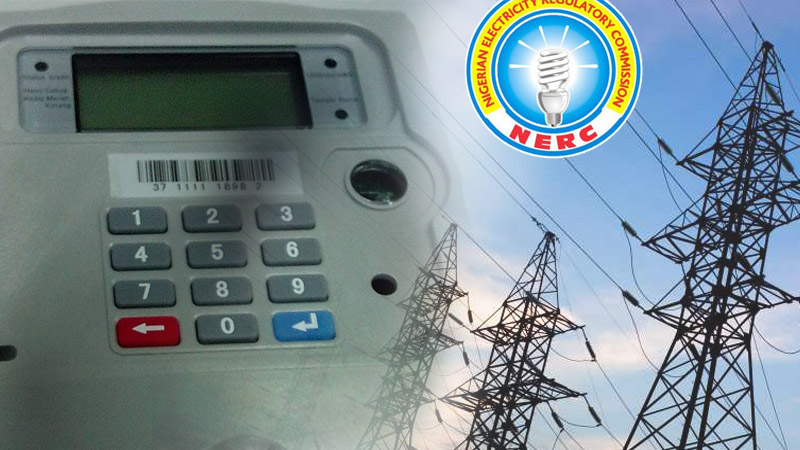
In Nigeria, the government has been working to improve the country’s electricity situation. There have been ongoing issues with unstable power supply and grid failures. The government also announced Nigeria’s Energy Transition Plan (NETP). This plan aims for universal energy access by 2030 and net-zero carbon emissions by 2060.
The government says this strategy will need about $1.9 trillion, which is around $10 billion each year. This will cover five main areas: Power, Cooking, Oil and Gas, Transport, and Industry.
During the Bonn meeting, Mr. Kurum, who is also Türkiye’s Minister of Environment, Urbanisation and Climate Change, called the new target a key initiative under the COP31 Presidency’s Action Agenda. He mentioned that efforts are being made to build a large international coalition to support this goal.
The COP31 Presidency explained that this target is based on studies by the International Energy Agency and the International Renewable Energy Agency. The aim is to help carry out the Paris Agreement while keeping global warming below 1.5 degrees Celsius compared to pre-industrial levels.
The United Nations COP31 is set to happen later this year in Antalya, Türkiye. Participants are expected to focus on climate actions that can be implemented alongside formal negotiations under the UN climate process.
In his presentation at the Bonn meeting, Mr. Kurum said increasing clean electricity use in transport, buildings, and industry will enhance energy security. It will also protect households and businesses from unstable fossil fuel markets.
“By electrifying daily life, from transport to buildings and industry, we can protect families and businesses from volatile energy markets. This ‘35 percent by 2035’ target will be one of the defining priorities of our COP31 Presidency,” he stated.
He added that the Presidency understands different national situations. They will work with countries, especially developing ones, to provide technical help, capacity building, and financial support.
This initiative is part of a wider set of priorities announced by the COP31 Presidency. Along with the electrification goal, they announced a target to cut the growth of global waste in half by 2035 as part of its “zero waste” agenda.
The Presidency highlighted that food waste contributes to about 10 percent of global greenhouse gas emissions. This happens mainly through methane emissions, which are much more harmful than carbon dioxide.
Another goal introduced under the Resilient Cities initiative aims to reduce energy consumption in the building sector by at least 25 percent by 2035.
The Presidency believes this will help households and businesses save on energy costs while increasing urban resilience to climate-related issues.

Mr. Kurum also mentioned that more initiatives on food security, circular materials in manufacturing, and climate education are being planned ahead of COP31.
They also announced plans for a “Climate Implementation Bridge.” This is meant to help countries line up climate actions with their economic and development goals and improve access to climate finance.
Chris Bowen, Australia’s Minister for Climate Change and Energy and COP31 President of Negotiations, said speeding up electrification would boost energy security while lowering costs and emissions.
“Electrifying the global economy is one of our practical priorities for COP31 because it’s the fastest way to strengthen energy security, cut emissions and bring down costs,” he said.
Simon Stiell, the Executive Secretary of the United Nations Framework Convention on Climate Change, stated that electrification is key to reducing dependence on fossil fuels and dealing with rising energy costs.
He said more energy-efficient cities and better waste management are vital in tackling the climate crisis, which is already affecting economies and supply chains worldwide.
To support the electrification goal, the COP31 Presidency and Australia have asked the IEA to create reports that outline ways to reach the 35 percent electrification target. They will also assess the benefits of cutting waste growth and expanding circular waste management.
Fatih Birol, the Executive Director of the IEA, said the world is entering an “Age of Electricity.” This is driven by increasing demand from artificial intelligence, electric vehicles, air conditioning, and industry.
He said the agency will help the COP31 Presidency find strategies that will help countries raise the share of electricity in energy use while boosting energy security.
Francesco La Camera, the Director-General of IRENA, welcomed the new target. He mentioned that the agency’s energy transition roadmap already sees global electrification reaching 35 percent by 2035.
He said electrification is one of the quickest and most cost-effective ways to reduce reliance on fossil fuels and improve economic competitiveness.
Bruce Douglas, the Chief Executive Officer of the Global Renewables Alliance, also supported the initiative. He noted that increased electrification would lower costs, improve energy access, and signal stronger investment in renewable energy.
The UN said this new target builds on previous agreements made at earlier climate conferences. At COP28 in Dubai, 117 countries agreed to work towards tripling renewable energy capacity and moving away from fossil fuels.
At COP29 in Baku, Azerbaijan, governments and stakeholders supported expanding energy storage and modernizing electricity grids. They also set a target to mobilize at least $300 billion a year by 2035 for climate action in developing countries.
The COP31 Presidency emphasized that this electrification target is the next logical step in the global energy transition. It will help turn those commitments into real changes in energy use across the economy.




Drop your comment
No comments yet — be the first to drop the gist 👇