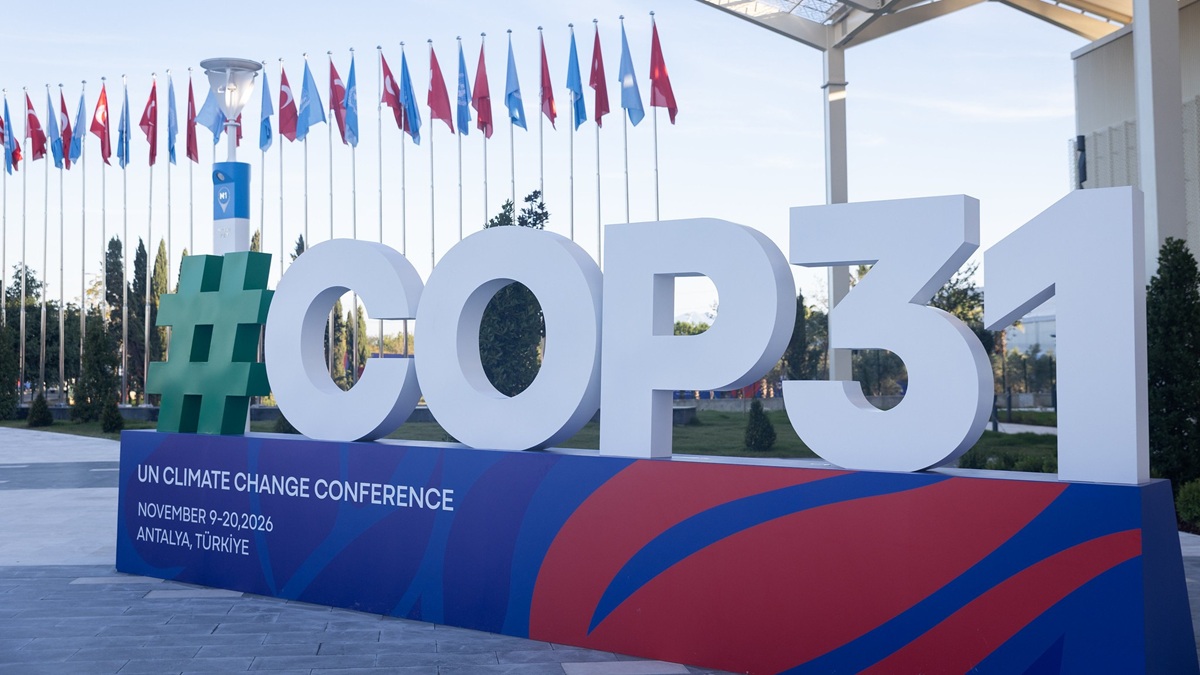
A group of 100 civil society organisations, including three from Nigeria, has accused the COP31 leaders of not showing the needed leadership for a strong climate agreement. They warned that this summit might be one of the most disappointing ones in global climate talks.
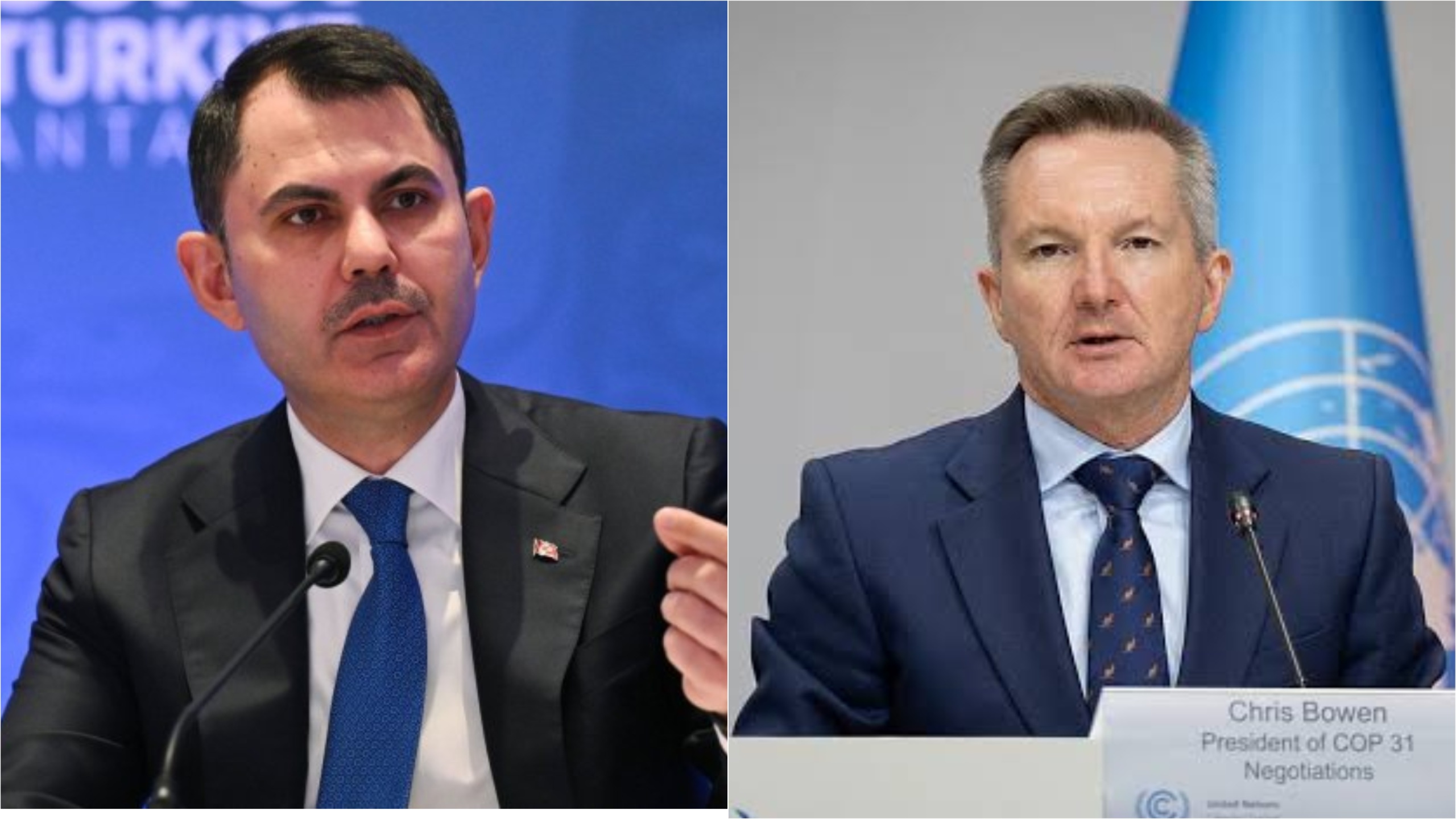
In an open letter dated 20 November, addressed to COP31 President Murat Kurum and President of Negotiations Chris Bowen, the organisations said the draft outcome of the conference could harm efforts to fight the climate crisis. They specifically pointed out the lack of clear commitments to move away from fossil fuels.
The Nigerian organisations that signed the letter are Environmental Rights Action, Health of Mother Earth Foundation (HOMEF), and Parents for Future Nigeria.
The coalition claimed that the joint leadership of Türkiye and Australia did not provide enough guidance during the talks. This lack of direction led to disagreements over climate finance, adaptation, and moving away from fossil fuels, which weakened the expected outcome.
The letter came as negotiations in Antalya went beyond the planned end date of 20 November, with countries still struggling to agree on key parts of the final deal.
A major issue raised by the organisations was the removal of clear references to fossil fuels in the updated draft cover decision. An earlier version had included two statements about moving away from fossil fuels, urging quicker action to phase them out. However, these were taken out in the draft released on 19 November.
The new text kept parts that support carbon capture and carbon dioxide removal technologies. This raised concerns among environmental groups that the agreement could allow continued fossil fuel production instead of focusing on reducing emissions.
The signatories called the draft a gift to the fossil fuel industry. They argued that coal, oil, and gas, which drive the climate crisis, were not addressed properly.
They also criticized how the proposed global electrification target was treated. This target aims to boost electricity’s share of global energy use from about 23 percent to 35 percent by 2035. While the target stayed in the updated text, the groups said it should be clearly linked to renewable energy and moving away from fossil fuels.
Without these protections, they warned that increased electricity use could still rely on fossil fuels, keeping countries tied to energy sources that worsen global warming.
The groups questioned the focus on carbon capture, utilization, and storage (CCUS). They called for removing the specific target for this technology from the draft agreement.
Beyond energy issues, the organisations were also worried about weaker provisions on climate finance, especially for adaptation in developing countries. The earlier draft proposed at least $120 billion every year for adaptation finance. But this figure was taken out of the updated text, creating uncertainty about how to increase adaptation funding.
The coalition accused developed countries of coming to the negotiations without new financial commitments. They argued that not providing enough funding would leave vulnerable communities at risk of worsening climate effects.
They called for a system to hold public climate finance obligations accountable, including a plan for the proposed $120 billion adaptation funding target.
The organisations also urged the leaders to restore parts that recognize the unique rights of Indigenous Peoples. These rights include self-determination, free, prior, and informed consent, and secure land ownership.
They also wanted the final deal to acknowledge the International Court of Justice’s advisory opinion on states’ duties in tackling climate change, along with a relevant United Nations General Assembly resolution.
This letter adds to the growing criticism of the negotiations, especially after the removal of fossil fuel language from the draft agreement. The disagreement shows a split between countries wanting stronger commitments to move away from fossil fuels and those worried about the economic impacts of such a shift.
The COP31 leaders defended the updated text. They said the talks should focus on getting an agreement that countries can support instead of repeating existing commitments.
But the signatories insisted that the leaders should use their remaining time to restore stronger parts on climate finance, electrification, Indigenous rights, and moving away from fossil fuels. They also urged Türkiye and Australia to collaborate with Brazil’s COP30 presidency and Ethiopia, which will host COP32, to push for a plan to transition from fossil fuels through a presidency-led discussion outside the usual consensus process.
The organisations warned that without strong action, Ethiopia could inherit unresolved issues and the task of advancing commitments that COP31 failed to achieve.
The letter ended by reminding the two leaders that they had willingly taken on the responsibility of leading the negotiations. They still have a chance to make sure the summit does not end without real progress.


Drop your comment
No comments yet — be the first to drop the gist 👇