
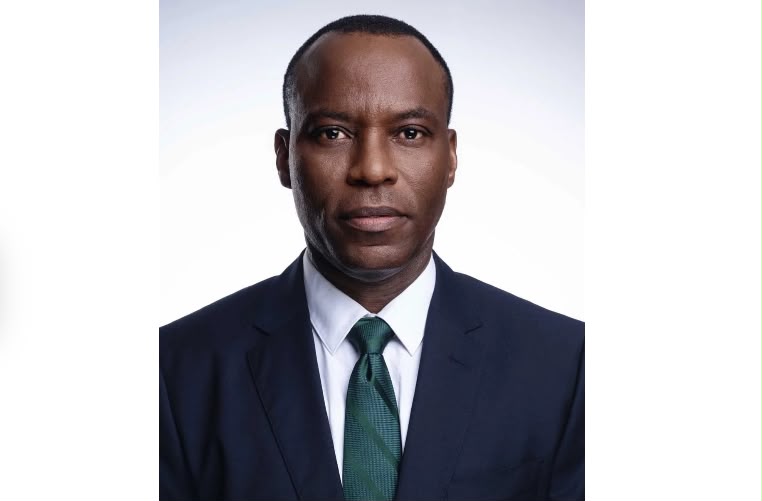
In an interview with PREMIUM TIMES during the ongoing United Nations Climate Change Conference (COP31) in Türkiye, Ibukun Adebayo, the Chief Executive Officer of Lagos Carbon, talked about the chances in Nigeria’s solar energy market. He explained how the country can use renewable energy certificates to attract investment, grow solar power, and build its clean energy sector.
Opportunities and Challenges
PT: What are your thoughts on the discussions about Nigeria’s solar energy boom?
Mr Adebayo: I’m the CEO of Lagos Carbon. I spent 30 years in London, working on solutions we can use in Nigeria. Right now, our biggest challenge is the slow progress in energy decarbonisation. But there is a big chance to make money from existing solar setups through carbon credits and Environmental Attribute Certificates (EACs) to fund more solar projects. There is a great opportunity with a certificate called an International Renewable Energy Certificate (I-REC). This certificate measures one megawatt-hour of power made from renewable sources, mainly solar.
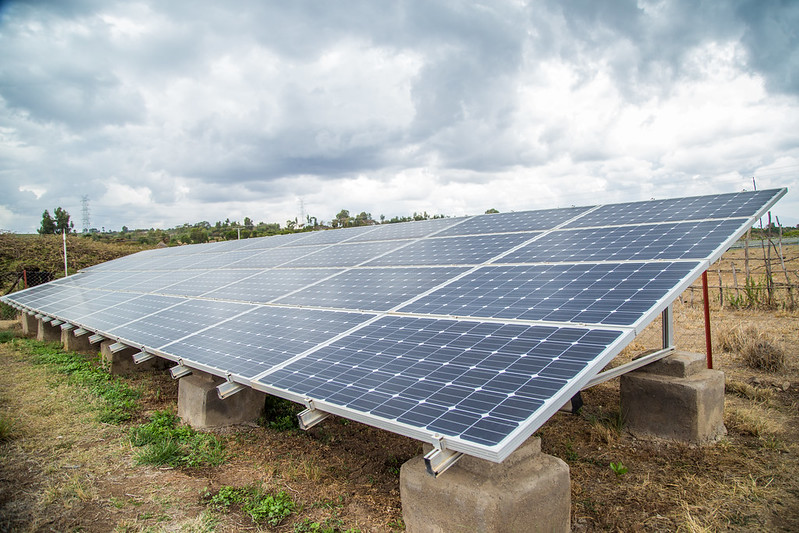
If you install solar panels on your roof today, you can earn carbon credits and EACs from your system, which you can sell. Unlike carbon credits, which have strict rules, EACs are easier to manage. Nigeria's national renewable energy market offers a better redemption value. So when you reduce greenhouse gas emissions, the money you can make from selling the certificate can be more than what you would get from carbon credits.
Implementing Solar Solutions
PT: What do we need to do to make this work in Nigeria, especially for households? How can Nigerians benefit, especially those with solar systems?
Mr Adebayo: By grouping solar installations in a particular area, we can create economies of scale to generate one megawatt-hour of renewable energy to sell. The profits can be shared among the communities involved. So even if households have their own solar systems, they should come together. That is the solution.
Policy and Manufacturing
PT: What do you think about Nigeria’s mineral resources for making solar systems and batteries?
Mr Adebayo: Nigeria has made strides in creating a national carbon market framework. Last October, Nigeria took a big step in the global carbon market, especially concerning Articles 6.2 and 6.4 of the Paris Agreement. But the challenge remains the same: we need more electricity. We must find funding to increase solar capacity. Selling energy certificates is one of the quickest ways to do this. We need to let the market function within the right policy framework.
Affordability and Local Manufacturing
PT: What about the cost and access to materials needed for solar systems?
Mr Adebayo: Yes, there are talks about building local manufacturing for solar panels, inverters, and other components. This will need money and investment. But we must focus on the end user. The real issue is how to provide electricity that supports economic growth, job security, and personal development.

That is the key. By selling energy certificates as communities, we can create a chance that has not existed before. It will help bring in investment in the industry. We should not miss this opportunity because, for the first time, we have a way to make it happen.
Concerns About Carbon Markets
PT: Some people worry about false climate solutions. They say carbon markets could distract from the climate crisis. What is your take on this?
Mr Adebayo: We need to focus on our priorities. These should include how we manage our land, economic growth, and the opportunities available. For me, we must start with economic opportunity. Everything else should follow. Markets and climate finance can help us reach those goals.
There are international groups and European companies that need around $32 million annually in emissions reductions. They can buy these from Nigeria or any state. This is a chance for Nigeria to access carbon and climate finance. If I am a European company wanting to offset my emissions, I could buy carbon credits for $18 each through their trading system. Or I could buy a Nigerian environmental certificate for $10. In either case, I support the same reduction in carbon emissions. It does not matter if I buy it in London or Lagos; the environmental benefit is the same, and the people providing the chance to offset emissions get the investment. Why not bring that money into Nigeria? Why not use it to support solar development and boost our economy?
Solar Equipment Imports
PT: Nigeria is importing more solar panels and equipment. What should we do differently?
Mr Adebayo: I have no strong feelings on that. What matters is that solar supply meets solar demand. The Middle Belt states have great potential for solar generation. We are talking about thousands of megawatt-hours of electricity, while Nigeria needs several gigawatts. We need this electricity to help the industry. Industry is often seen as the engine of Nigeria’s economy, but we do not have enough power. We need to decide if we want to limit foreign involvement or ensure we have enough good-quality and affordable electricity for economic growth. That is a question for the authorities.
Final Thoughts on Solar Energy
PT: What is your message about solar energy adoption in Nigeria?
Mr Adebayo: Nigeria is blessed with about 8,700 hours of solar potential each year because of our location. That is a huge resource. If we learn to use it properly, it could be more valuable than our oil and gas combined. We should make solar energy available to everyone and find ways to grow Nigeria’s solar industry. This will help reduce our dependence on fossil fuels, making our country cleaner and greener.


Drop your comment
No comments yet — be the first to drop the gist 👇