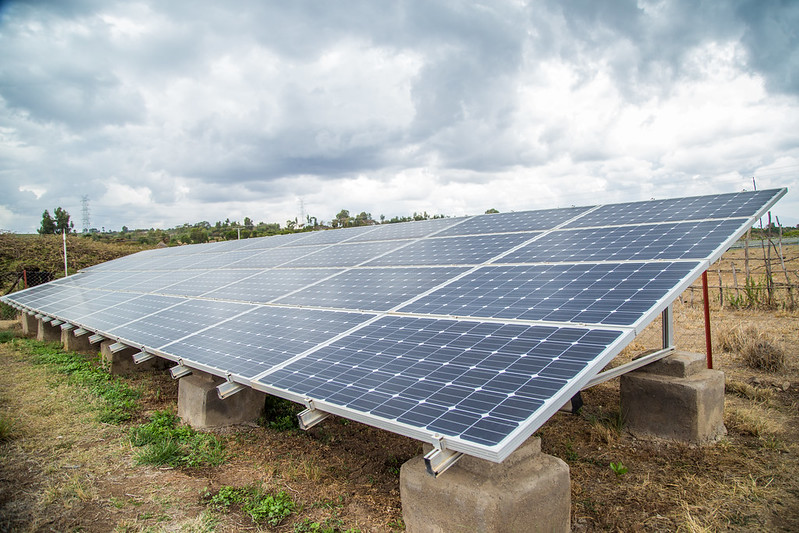
As Nigeria keeps adopting solar energy systems due to poor electricity supply and high petrol and diesel prices, energy experts say the country needs to increase local manufacturing, affordable financing, and better regulations to unlock the sector's economic potential.
They also want the government to invest in skills development, battery storage, recycling systems, and eco-friendly solar projects. This will help ensure that Nigeria's move to clean energy brings economic benefits without causing new environmental issues.
The experts spoke at an event held at the Nigerian Pavilion during the ongoing 31st United Nations Climate Change Conference (COP31) in Türkiye.
The discussion was titled "Just Transition: Unlocking Nigeria's Solar Opportunities," and it was part of the conference's thematic day focusing on Ocean, Seas, Nature and Land Use, Rio Synergy, on Tuesday.
David Michael, the Executive Director of the Global Initiative for Food Security and Ecosystem Preservation, said Nigeria has the raw materials and human skills to build a local solar manufacturing industry but still relies heavily on imported technologies.
He pointed out that the country could use its mineral resources to create solar panels, batteries, and other components. This move would also create educational chances to equip young Nigerians with the skills needed in the solar value chain.
"Solar is not just an energy opportunity; it is an industrialisation, investment and economic transformation opportunity for Nigeria," he said.
Mr. Michael added that the opportunity goes beyond just installing solar panels. It includes local manufacturing, mineral processing, battery storage, job creation, better agricultural output, and regional exports.
He argued that Nigeria should stop importing solar solutions and instead focus on producing and exporting clean energy technologies.
Mr. Michael identified 12 minerals that Nigeria could use to develop its solar technology industry. These include silica, lithium, copper, aluminium, iron ore, graphite, manganese, nickel, cobalt, tin, zinc, and silver.
He explained that these minerals are vital for the solar value chain, from making photovoltaic cells and solar panel frames to battery storage, electrical connections, and mounting structures.
For example, silica is a key raw material for producing silicon used in crystalline solar cells. Lithium and graphite are important for batteries that store electricity from solar systems.
Copper is used in electrical cables, wiring, connectors, and inverters, while aluminium and iron ore support the production of solar panel frames and mounting structures.
He pointed out several states rich in these minerals, like Nasarawa, Kogi, Plateau, Kaduna, Bauchi, Zamfara, Niger, Osun, Ekiti, and Benue.
According to him, tapping into these resources could lessen Nigeria's reliance on imported solar parts while creating jobs and boosting its industrial base.
He also asked for local solar panel, inverter, battery, and component manufacturing and assembly industries to be set up.
Mr. Michael said Nigeria's solar market goes beyond its own borders. He noted that a huge electricity access gap exists in West Africa.
He shared figures showing that West Africa had 33 percent of the 565 million people without electricity in sub-Saharan Africa in 2023. This amounts to about 185 million people.
He stated that this is an opportunity for Nigeria to become a regional manufacturing and distribution center for solar technologies.
He also mentioned agriculture as another big area where solar investments could bring economic gains.
According to him, growing solar-powered irrigation, cold storage, refrigeration, and agro-processing could boost agricultural productivity, cut post-harvest losses, and strengthen food security.
He further called for the creation of solar technology training centers to build a skilled workforce of technicians, installers, engineers, entrepreneurs, and maintenance experts, especially among young people and women.
Nigeria's solar investment potential, he noted, is in the billions.
He cited estimates from the International Finance Corporation that identify up to $8.5 billion in viable solar investment opportunities by 2030. Wider renewable energy opportunities exceed $18 billion in the next decade.
Olamide Fagbuji, Senior Special Assistant to the President on Climate Technologies, also spoke. He said the government is working to make it easier for private companies to invest in renewable energy.
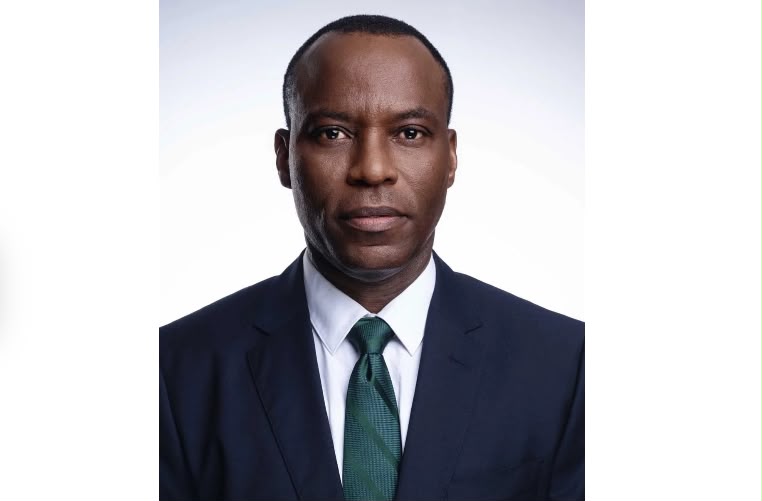
He mentioned Nigeria's Nationally Determined Contribution (NDC) 3.0, which he described as a strong framework for pushing the country's climate goals. He also pointed out the Electricity Act that allows state governments to get involved in electricity generation and distribution.
Mr. Fagbuji noted that increasing solar use needs a lot of financing. Many Nigerian homes still need reliable, sustainable electricity. He stressed the need for creative financing models that would make solar systems affordable for households and businesses.
Regarding the environmental effects of solar adoption, he said the government is working on policies for recycling and managing solar waste. He noted that private-sector involvement is crucial in tackling the growing waste issues linked to solar technologies.
On solar mini-grids, Mr. Fagbuji mentioned that projects should meet specific requirements, including suitable land-use plans and ways to share benefits.
Gloria Bulus, Executive Director of Bridge That Gap Initiative, identified affordability as a major hurdle stopping communities from using solar energy systems.
When asked about the challenges, Ms. Bulus said the issue is more than just getting solar panels. The prices of batteries and other parts also worry many households.
"For communities, it is not about the solar panels; it is about the affordability of the panels and batteries," she said.
She argued that the government could help solve the affordability issue and improve access to solar technologies, especially in underserved areas.
Ms. Bulus also cautioned against setting up solar infrastructure in ways that might harm the environment.
She called for eco-friendly land use, stressing that while trying to solve Nigeria's electricity problems, it shouldn't lead to new issues for ecosystems.
"While we are trying to address electricity problems, we must not use it to cause another problem," she said, supporting nature-friendly models.
Joseph Ibrahim, Nigeria Campaign Director of the Secure Energy Project, said that solar adoption has grown greatly in the last ten years. But worries about costs, product quality, and after-sales service still hurt public trust.
He mentioned that some users on pay-as-you-go plans complained their solar systems stopped working after six months.
According to him, such experiences could make families and communities hesitant to invest in solar energy.
"When that happens, consumers lose faith in solar systems," he said.
Mr. Ibrahim called for better quality standards for imported solar products and stronger regulation of installers to protect consumers and ensure systems work as promised.
He also suggested placing solar manufacturing plants near universities to give students hands-on experience and better knowledge of solar technologies.
He said closer ties between manufacturers and schools could build the technical know-how needed to support Nigeria's growing solar industry.
Nigeria's rising interest in solar energy comes from constant electricity shortages, limited access to the national grid in many areas, and rising costs of other energy sources after the petrol subsidy was removed.
For many homes and businesses, solar systems have become a backup for electricity supply and a way to reduce reliance on petrol and diesel generators.
But experts warned that just expanding use won't ensure a fair energy transition.
They said affordability, local participation, consumer protection, environmental care, and access to skills must be key to Nigeria's solar development plan.
They argued that without focused investments across the value chain, Nigeria risks becoming just a market for imported technologies instead of a major producer of clean energy solutions.



Drop your comment
No comments yet — be the first to drop the gist 👇