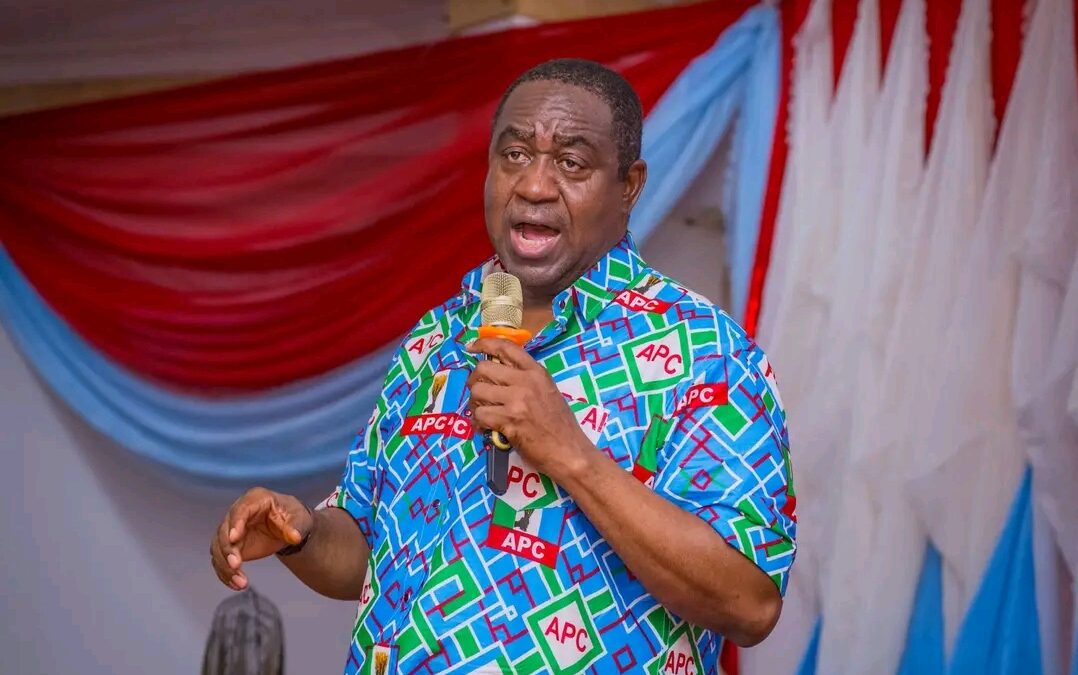
The Federal High Court in Abuja has said it will announce its judgement soon in the N3.1 billion money laundering case against former Benue State Governor Gabriel Suswam and Omodachi Okolobia, a former Commissioner for Finance in the state.
Justice Peter Lifu made the announcement on Friday. He said the judgement date would be shared with the parties involved after their lawyers presented their final written addresses.
Both Mr Suswam and Mr Okolobia asked the court to clear them of the charges. The Economic and Financial Crimes Commission (EFCC) wants the judge to rule that the prosecution has made its case against them.
Chinelo Ogbozor, Mr Suswam’s lawyer, told the court that the defence submitted its final written address in December 2025. She said they also replied on legal points in April after getting the EFCC's final address.
Ms Ogbozor urged the court to discharge and acquit Mr Suswam on counts one to seven of the 11-count amended charge, which includes allegations against him. These counts are related to the alleged misappropriation of N3.1 billion from the sale of shares owned by the Benue State Government.
Mr Okolobia’s lawyer, Paul Erokoro, who is a Senior Advocate of Nigeria (SAN), also asked the court to clear his client. He noted that the defence's final written address was filed in January. He later submitted a reply on legal points in June after receiving the prosecution's address.
“I adopt these two processes as our final address in urging your lordship to discharge and acquit the second defendant of all the counts in the amended charge,” Mr Erokoro said in court.
He argued that the prosecution did not prove the allegations against Mr Okolobia in counts eight to 11, which are specific to him. The EFCC's lawyer, Rotimi Jacobs, SAN, urged the judge to accept the prosecution's case.
Mr Jacobs described the case as “straightforward” and explained the allegations that the defendants diverted funds meant for Benue State. Mr Suswam is a lawyer and politician. He served as a member of the House of Representatives from 1999 to 2007 and became governor in 2007, serving two terms until 2015. He also represented Benue North-East in the Senate from 2019 to 2023.
The case involves transactions from his second term as governor. The EFCC claims he and Mr Okolobia diverted N3.1 billion from the sale of shares owned by the state government. The shares were managed through the Benue Investment and Property Company Limited (BIPC).
The EFCC says part of the sale proceeds, through Elixir Securities Limited and Elixir Investment Partners Limited, was misused between August and October 2014. Abubakar Umar, a bureau de change operator, testified that he turned the money into $15.8 million and gave the dollars to Mr Suswam, but his story changed during the trial.
The EFCC also accused Mr Okolobia of conducting transactions worth N578 million in four parts between December 2014 and January 2015, breaking the cash transaction limit under money laundering laws. Both men have denied the accusations.
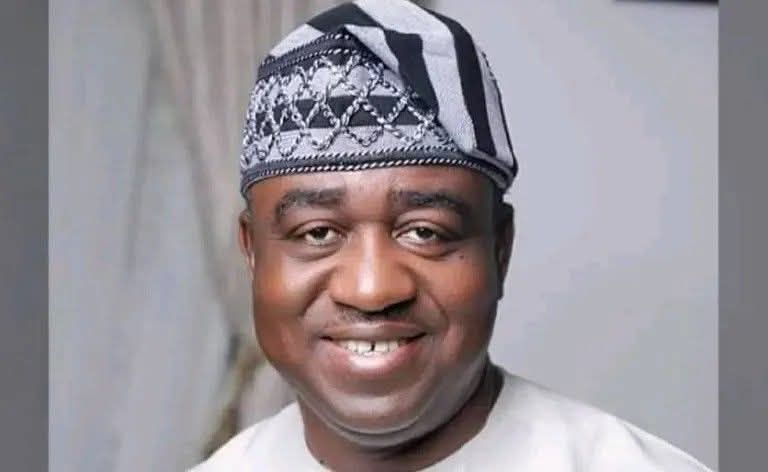
The EFCC first charged them in November 2015. They pleaded not guilty to the charges, which later increased to 11 counts. The case moved through three judges before being reassigned to Justice Lifu in 2023. The defendants were re-arraigned in March 2024 and maintained their not guilty plea.
During the trial, Junaidu Sa’id, an EFCC investigator, spoke about the investigation and money transfers. Brigid Shiedu, the former managing director of BIPC, gave evidence about the share sale and the governor's approval.
Mr Umar, the fourth witness for the prosecution, explained how he converted the money to dollars. In January 2018, he admitted to the court that he had made a mistake about delivering the money to Mr Suswam's house. He claimed that people close to the former governor pressured him to change his story.
The prosecution called nine witnesses and presented documents before wrapping up its case. One witness, Adewale Agunbiade, a compliance officer at Guaranty Trust Bank, testified about Mr Suswam's naira and dollar accounts.
He told the court that over $200,000 entered the dollar account in parts between August 2014 and July 2015, while Mr Suswam paid $175,000 in cash. But during cross-examination, Mr Agunbiade said these inflows were not unusual and that he did not see any banking rule violations.
Apea Sunday, another EFCC investigator, also testified for the prosecution. The defendants then asked the court to throw out the charges before presenting their defence. Their lawyers argued that the evidence was not enough to sustain the charges, but the prosecution disagreed, saying the evidence linked the defendants to the alleged crimes.
In July 2025, Mr Lifu rejected the application and ordered the defendants to present their defence. He said that the prosecution had provided enough evidence for them to respond to the claims.
Mr Suswam later testified as the only witness for the defence, while Mr Okolobia did not testify or call any witnesses. They finished their defence in November 2025, after which the judge told both sides to file and exchange their final written addresses.
The court initially set a date in January this year for adopting the addresses, but it was postponed several times. It was later moved to May, then to July, and finally to September.
In the July session, the judge postponed the case again after the prosecution said Mr Suswam and his lawyer were not feeling well. Another delay occurred in October when Mr Suswam’s lead lawyer, Joseph Daudu, was absent. The prosecution mentioned that Mr Daudu had written to say he was going to Denmark for the International Bar Association’s annual conference.
The prosecution called this request a deliberate attempt to delay the trial but agreed to the postponement to ensure the defence had a fair hearing. The judge then set the case for November. Now that the lawyers have presented their arguments, Mr Lifu said he would inform the parties of the judgement date.

Drop your comment
No comments yet — be the first to drop the gist 👇