
The Centre for the Promotion of Private Enterprise (CPPE) has warned against the Senate's call for a ban on textile fabric imports. They say this proposed ban could harm the Nigerian economy, disrupt supply chains, and put millions of jobs at risk.
In a statement from the CPPE's CEO, Muda Yusuf, on Sunday, the think tank noted that while reviving Nigeria’s textile industry is a good goal, banning textile imports won’t solve the problems in the sector.
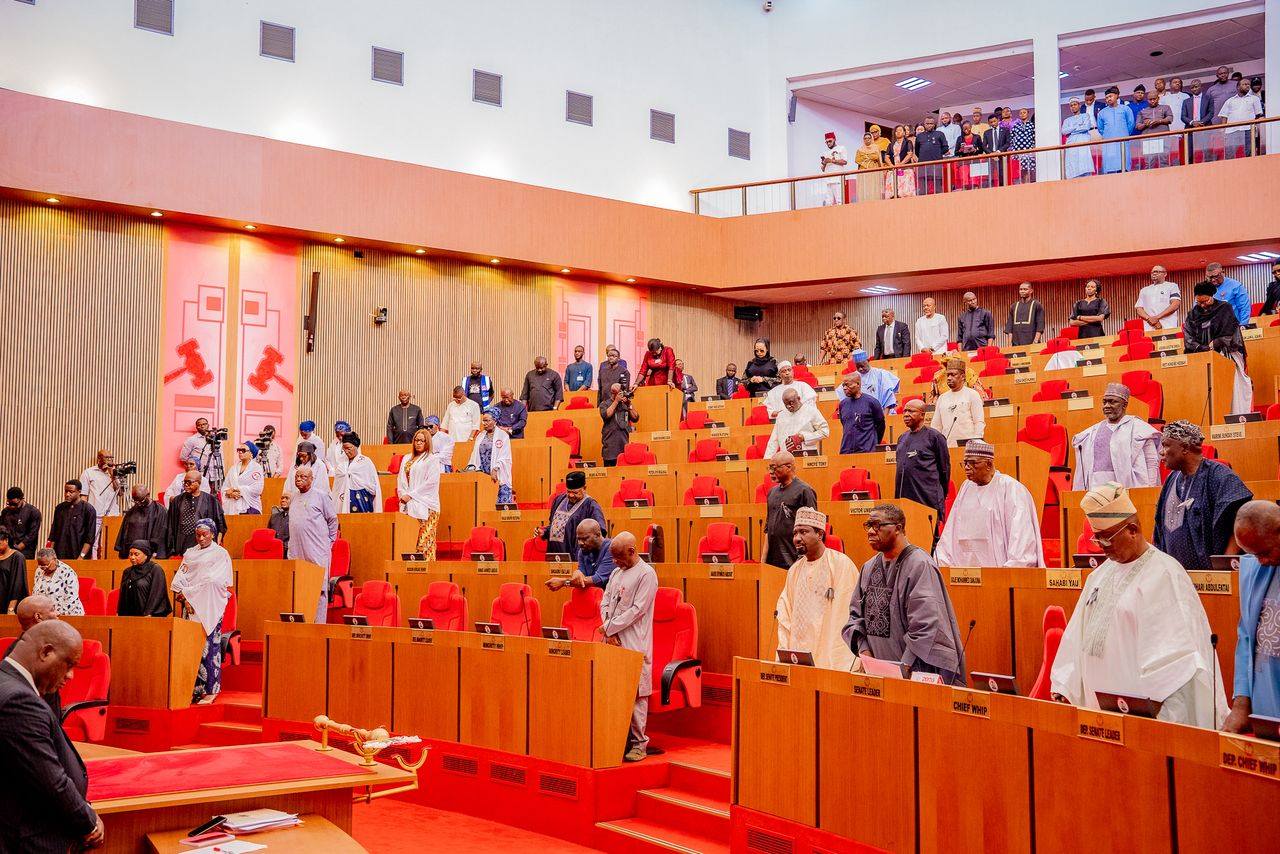
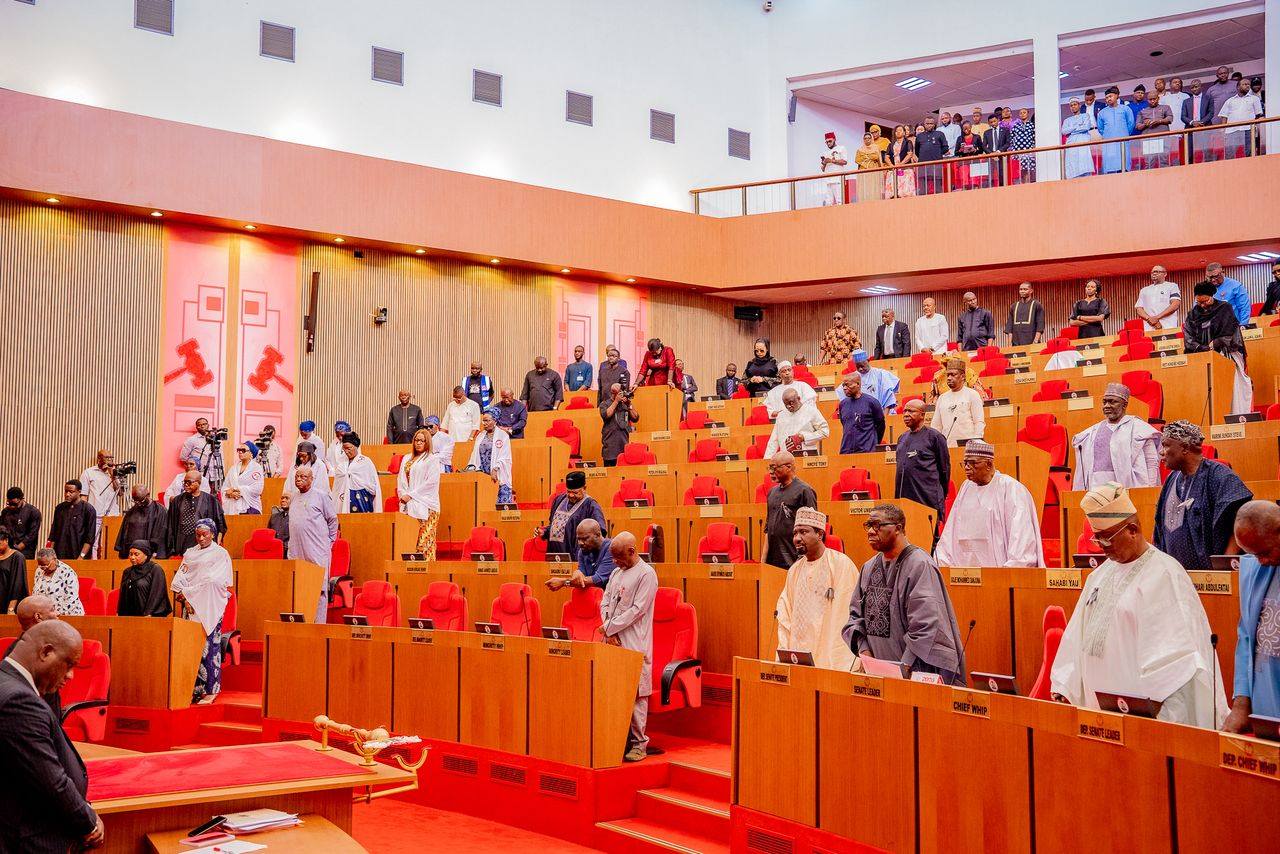
On June 9, the Senate urged a total ban on importing textile products to help revive the struggling textile industry and create jobs. The lawmakers believe that banning imports is essential to protect local manufacturers and boost cotton production.
But the CPPE argues that this ban would bring high costs to other industries instead of helping the textile sector. "The proposed measure is unlikely to achieve its intended objectives and could have significant adverse consequences for the Nigerian economy. While the objective of reviving Nigeria’s textile industry is legitimate and commendable, an outright import prohibition is unlikely to achieve that objective," the CPPE said.
The CPPE added, "Rather than revitalising the textile industry, the proposed ban could impose substantial collateral costs on downstream industries, disrupt critical supply chains and jeopardise millions of jobs and livelihoods." They believe the proposal shows a narrow view of the challenges facing the industry.
They pointed out that the textile manufacturing sector is connected to Nigeria’s garment, fashion, furniture, and creative economy. According to the CPPE, Nigeria’s fashion and garment-making industry is worth about N10 trillion and supports around 10 million Nigerians. This industry heavily depends on imported textile fabrics.
The CPPE warned that limiting textile imports could disrupt production, increase costs, reduce choices for consumers, and threaten thousands of small businesses in the fashion and garment sector. They noted that the garment industry adds significant value through design, tailoring, branding, and retailing, which often creates more local value than the fabrics used.
Textile fabrics are also vital for Nigeria’s furniture and interior design industry, which is valued at ₦7 trillion. Any disruption in fabric supply could raise production costs and weaken the competitiveness of this sector.
The organization stated that the decline of Nigeria’s textile industry is mainly due to structural issues, not just competition from imports. "The decline of Nigeria’s textile industry is primarily the consequence of long-standing structural constraints rather than import competition," the CPPE explained.

These challenges include high energy costs, expensive credit, poor infrastructure, and outdated technology. The CPPE also mentioned smuggling, lack of access to long-term financing, and inconsistent policies as major problems.
They pointed out that imported textile fabrics already face an Import Duty and Import Adjustment Tax (IAT) between 35 and 45 percent. Yet, these tariffs haven’t revived the industry because the real issue is the high cost of production. "It is noteworthy that imported textile fabrics already attract a combined Import Duty and Import Adjustment Tax (IAT) of between 35 and 45 percent," the CPPE added.
The CPPE further argued that local textile manufacturers cannot meet the quantity, quality, and variety of fabrics needed by the fashion, garment, furniture, and interior design sectors. "An outright import ban would therefore create supply shortages, increase production costs, and weaken downstream industries that generate significantly more employment than textile manufacturing itself," they said.
Instead of a ban, the CPPE suggested a full value-chain strategy to revive the textile sector. They recommended starting with government procurement that prioritizes locally produced textiles and garments for uniforms in schools and public institutions.
The CPPE also proposed creating a Textile Competitiveness Fund, funded by textile-related import taxes, to offer low-cost financing for technology upgrades. They urged for the revival of domestic cotton production through better seeds, mechanization, and security for farmers.
They called for stronger border enforcement against smuggling and to make existing tariffs more effective. The CPPE wants reforms to lower energy costs, improve infrastructure, and create a better environment for manufacturers.
The think tank concluded that boosting competitiveness, rather than banning imports, is a better way to revive Nigeria’s textile industry. "The challenge confronting Nigeria’s textile industry is fundamentally one of competitiveness rather than import penetration. Sustainable revival will require structural reforms that improve productivity, reduce production costs, revive cotton production, expand access to affordable finance, and leverage government procurement to stimulate domestic demand," the CPPE stated.




Drop your comment
No comments yet — be the first to drop the gist 👇