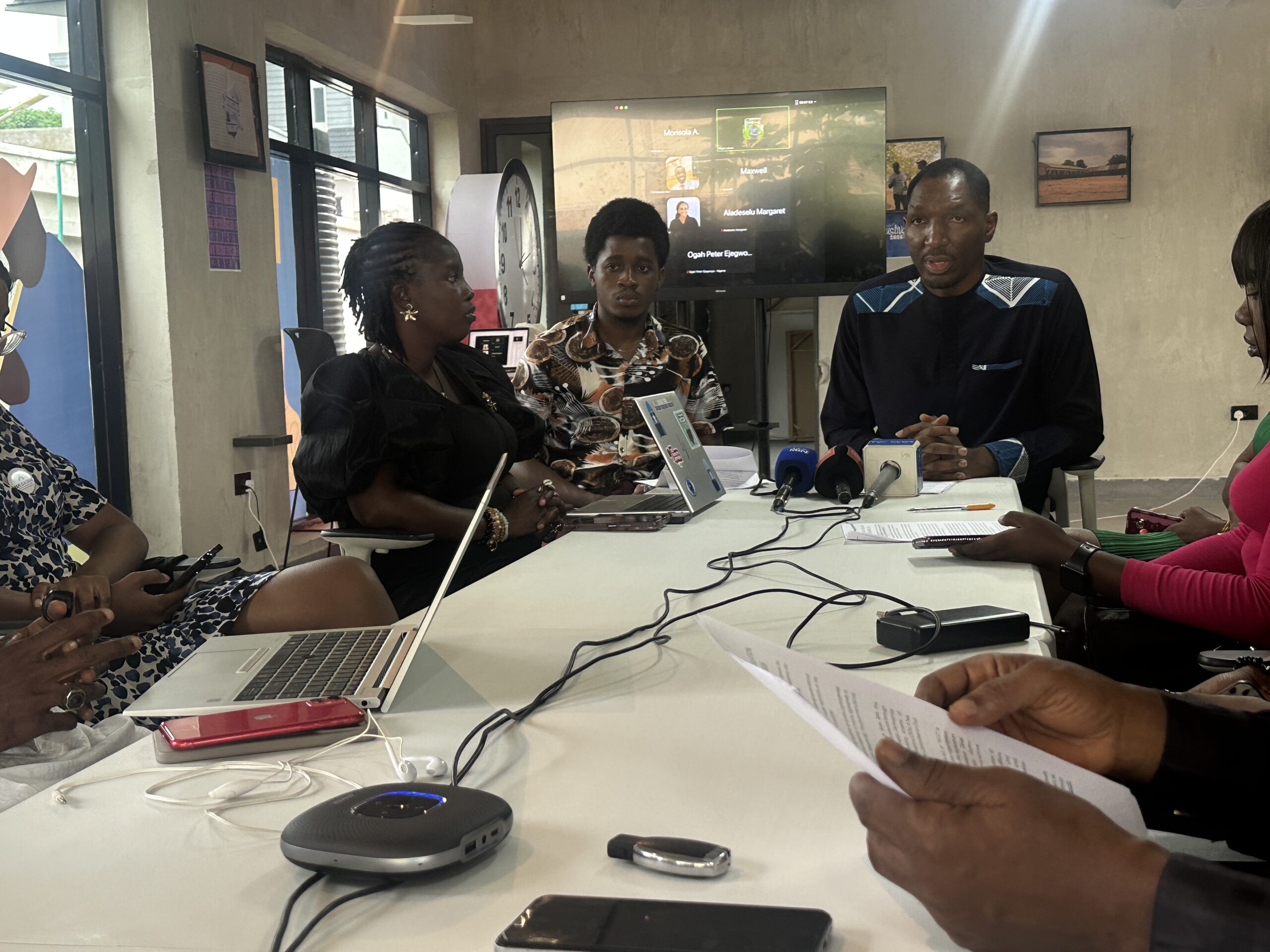
A group of civil society organisations has demanded that the government withdraw the Foreign Aid (Regulation, Transparency and Disclosure) Bill, 2026. They say this bill could limit civic space and give the government too much control over independent organisations.
At a press conference on Wednesday, the coalition described the bill as oppressive and unconstitutional. They argue that it would create a new way to regulate organisations based on where they get their funding from.
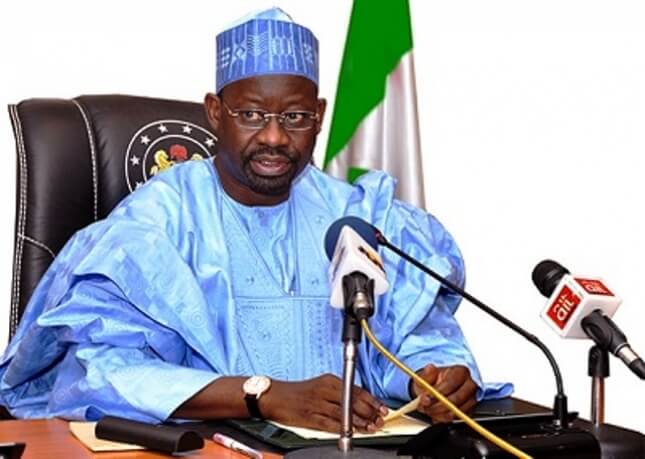
The bill is sponsored by Ibrahim Dankwambo, the senator for Gombe North. It passed its second reading in the Senate in July and is now with committees for further review. The bill aims to set up a system for registering and monitoring foreign aid and donor-funded projects, including revealing funding sources and project details.
The coalition warned that this law is not just about big NGOs. It could impact many community-based organisations because of its broad definition of an NGO. They specifically mentioned church welfare committees, mosque Zakat networks, hometown development unions, university alumni associations, and informal savings groups as examples of groups that might be affected by the bill.
"The government did not provide welfare. It cannot ban our charity," the coalition stated.
They pointed out that Nigeria already has several ways to monitor non-profit organisations and their finances. This includes the Corporate Affairs Commission, the Economic and Financial Crimes Commission’s Special Control Unit Against Money Laundering, and the Nigeria Financial Intelligence Unit.
The coalition also noted current disclosure rules under the Financial Reporting Council of Nigeria Act and the Companies and Allied Matters Act. They believe the proposed law would duplicate these existing structures and give more power to a new foreign aid regulator.
Concerns about penalties
The coalition raised serious concerns about the penalties in the proposed law. They said that failing to register, giving wrong information, or obstructing the proposed commission could lead to up to five years in prison and a minimum fine of ₦5 million for individuals.
For organisations, the penalties could include a minimum fine of ₦20 million, along with suspension or loss of their operational licence. The coalition argued that these penalties could turn simple mistakes into serious crimes and lead to the shutdown of independent civil society organisations.
They also opposed rules that would require foreign-funded projects to match government-defined development priorities. The coalition believes this could compromise the independence of organisations that investigate government actions or advocate for communities whose interests clash with official policies.
"The central defect in SB. 1034 is not that it demands transparency, but it demands transparency selectively," they said.
They argued that if funding disclosure is essential for organisations influencing the public, the rule should apply to all funding sources, whether they are from foreign donors, local companies, government agencies, politicians, or public officials.
Government already has an aid database
The coalition pointed out the Nigeria Development Cooperation Dashboard started by the Federal Ministry of Budget and Economic Planning in 2024. This dashboard shows planned and actual development cooperation disbursements by donor, sector, state, and development plan pillar.
The organisations believe that enhancing the current dashboard and linking it with the national budget would boost transparency without needing another regulatory body.
What the sponsor says
The coalition’s views differ from those of the bill’s sponsors and supporters in the Senate. During the debate in July, Mr Dankwambo mentioned that billions of naira in foreign aid were going through NGOs without proper checks on the sources or purposes of the money. He said that the lack of oversight raised national security and accountability issues.
The bill wants mandatory registration for donor-funded projects, a national database for foreign assistance, disclosure of funding sources and project details, and integration of donor-funded projects into government budgets.
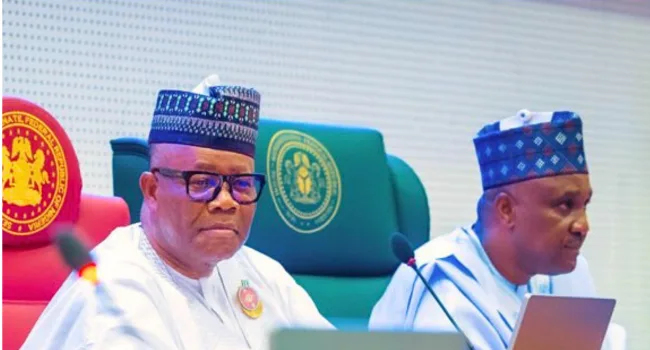
Some senators said this new framework would fill gaps in monitoring foreign aid that does not go through the national budget. But the coalition believes that better transparency can come from strengthening what is already in place, not by creating a new commission with wide-ranging powers.
They also referenced international human rights standards that protect the freedom of association and the rights of civil society organisations to seek and receive resources, including foreign funding.
The organisations warned that a system based on funding sources could go further than just financial oversight and restrict legitimate civic activities. They mentioned Ethiopia and Rwanda, where limits on foreign-funded civil society organisations have hurt funding access and operations, while stressing that Nigeria's situation is different.
The coalition urged the National Assembly to withdraw the bill. They called on religious leaders, student unions, diaspora groups, market associations, and other community organisations to stand against it. "We do not need a license to care for our communities. We demand a complete withdrawal of this bill," they said.
The statement was signed by several groups, including Gatefield, Accountability Lab Nigeria, Mothers And Marginalised Advocacy Centre (MAMA Centre), Webfala Digital Skills for All Initiative, TechHerNG, Hope Behind Bars Africa, DigiCivic Initiative, YouthHubAfrica, Ntetee Foundation, RID Nigeria Initiative (Rivers in the Desert Nigeria), Crowdr, Yiaga Africa, Tunani Initiative, BUDGIT Nigeria, Pan African Lawyers Union (PALU), African Law Foundation (AFRILAW), Citizens Gavel, Rule of Law and Accountability Advocacy Centre (RULAAC), Speak Out Africa Initiative (SOAI), Resource Centre for Human Rights & Civic Education (CHRICED), Socio-Economic Rights and Accountability Project (SERAP), Socio Economic Research and Development Centre (SERDEC), Nigeria Network of NGOs, #FixPolitics Initiative, WACSI Node Nigeria, Global Rights, CLEEN Foundation, Centre for Transparency Advocacy (CTA), Koyenum Immalah Foundation (KIF), WAVE Foundation Africa, and Enough is Enough (EiE) Nigeria.


Drop your comment
No comments yet — be the first to drop the gist 👇