Five human rights groups have called on the National Assembly to withdraw the Foreign Aids (Regulation, Transparency and Disclosure) Bill 2026, known as SB. 1034. They warn that this bill could limit civic space and put human rights defenders at risk.
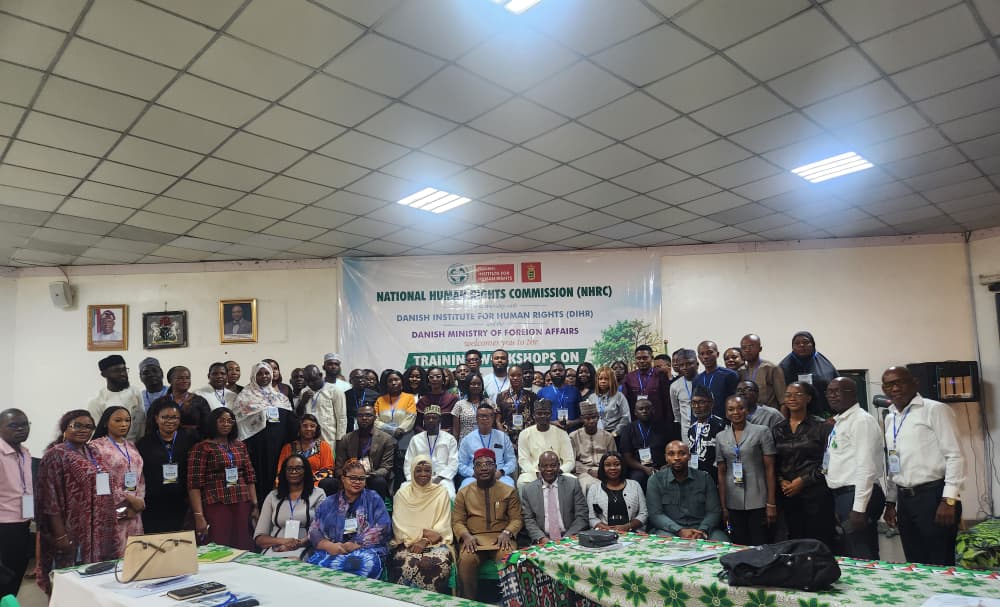
In a statement released on Wednesday, the Nigerian Human Rights Defenders Network, Partnership for Justice, Front Line Defenders, West African Human Rights Defenders Network, and Protection International said the Bill goes against commitments Nigeria made during its fourth Universal Periodic Review (UPR) cycle to protect freedom of association, assembly and expression.
UPR is a process set up by the United Nations Human Rights Council (UNHRC). It involves checking the human rights records of all 193 UN member states.
Details of the Bill
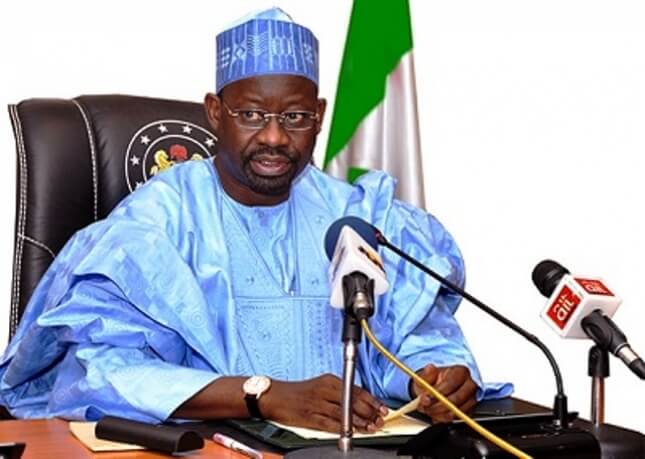
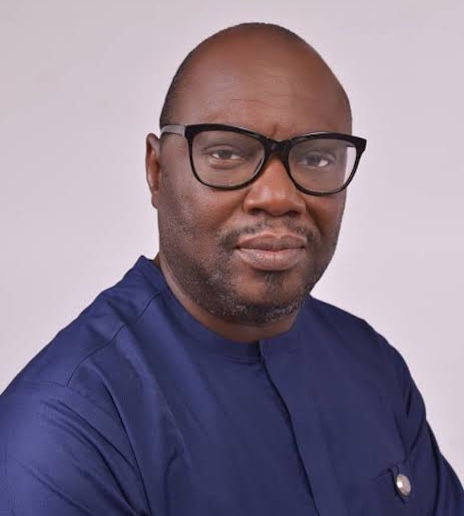
The Bill, introduced by Ibrahim Dankwambo, a senator from Gombe North in May 2026, passed its second reading in the Senate in July. It plans to create a Foreign Aid Regulatory Commission to track, register, audit, coordinate, sanction, and suspend all foreign grants, donor funds, and technical assistance.
This bill is different from earlier attempts because its reach goes beyond NGOs. It wants to oversee all types of foreign funding including grants, donations, and technical aid for many recipients in Nigeria, such as government agencies, civil society groups, and private organizations.
The groups pointed out that Nigeria is currently in the running for a seat on the UN Human Rights Council for the 2027-2029 term. They stated, "A candidacy that should be matched by concrete domestic protection of human rights defenders."
Risks Identified
The CSOs highlighted parts of the Bill that they believe are the biggest threats. They pointed out Section 6(1), which requires a 30-day registration for any foreign donation. The groups argued that this deadline could criminalize quick funding for legal defense, emergency relocation, and support for survivors of gender-based violence and human rights violations.
Another part of the proposed law that the groups noted is the section about public disclosure of partners. They said making it mandatory to publish implementing partners and funded activities in a national register "creates serious and foreseeable security risks, including surveillance, harassment, and retaliation" for defenders, witnesses, and survivors.
"Section 11 requires foreign-funded activity to 'align' with Nigeria’s national development plans and priorities," the group said. "This standard is broad and vague enough that the state could label the work of human rights defenders, including those documenting rights violations or supporting marginalized communities, as ‘out of alignment with priorities.’ This could provide legal grounds to limit their protection and support."
The group also mentioned that the duties of the proposed regulatory agency overlap with existing organizations. These include the Corporate Affairs Commission (CAC), the Special Control Unit Against Money Laundering (SCUML), the Federal Inland Revenue Service (FIRS), and the Nigerian Financial Intelligence Unit (NFIU).
Their Requests
The organizations are asking for the immediate withdrawal of the proposed law. They want civil society to be consulted about any future law on foreign funding, following the Constitution and the UN Declaration on Human Rights Defenders.
They also called for strong protections to keep information about human rights defenders, survivors, and witnesses confidential. They demand a faster process for emergency protection funding that is not tied to standard registration timelines and the reaffirmation of constitutional rights to association, expression, and assembly.
"We support legitimate transparency in the use of foreign funding, but we firmly reject the use of regulatory mechanisms as tools for surveillance, censorship, and intimidation," the statement said.
The groups expressed their commitment to "the protection of human rights defenders at risk and to safeguarding the civic space in which they operate."
The Bill is expected to move to the committee stage in the Senate soon.
The Policy and Legal Advocacy Centre (PLAC), an independent organization that works to improve democratic governance and citizens’ participation in Nigeria, said in an article that creating another commission with overlapping powers will likely add more bureaucracy instead of improving accountability.
"Experience in Nigeria shows that creating more institutions rarely solves governance problems. It often leads to confusion, duplication, higher compliance costs, and regulatory uncertainty," the advocacy organizations stated.

Drop your comment
No comments yet — be the first to drop the gist 👇