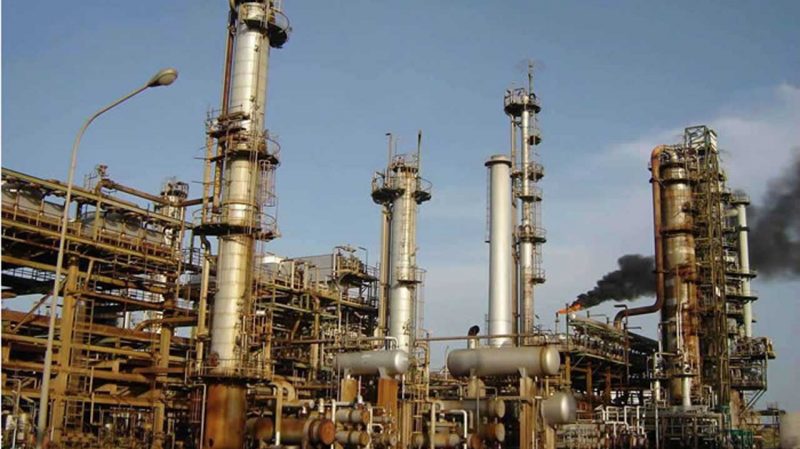
The Economic and Financial Crimes Commission (EFCC) has recovered more than N9.4 billion, $21.2 million, and several properties. This is part of an ongoing investigation into the alleged misuse of funds meant for fixing Nigeria’s refineries, according to PREMIUM TIMES.
Using the Central Bank of Nigeria’s official exchange rate of N1,380 to $1 as of Friday, the $21.2 million recovered is about N29.26 billion. This brings the total recovered amount to N38.66 billion.
These recoveries are part of what investigators call one of the largest cases looking into how billions of dollars meant to revive the country's struggling refineries were managed.
Sources at the EFCC told this newspaper that the investigation focuses on accusations of criminal conspiracy, breach of trust, misuse of public funds, economic sabotage, abuse of office, and money laundering. This involves officials from the Nigerian National Petroleum Company Limited (NNPCL), its subsidiary, the NNPC Engineering and Technical Company Limited (NETCO), and both former and current managing directors of the Port Harcourt, Warri, and Kaduna refineries. Major contractors like Daewoo Engineering Nigeria Limited and Tecnimont SPA are also included.
From 2021 to 2023, the federal government, through the NNPCL, awarded contracts worth around $2.79 billion for urgent repairs, turnaround maintenance, and rehabilitation of the Port Harcourt, Warri, and Kaduna refineries.
These contracts included about $740.7 million for the Kaduna Refining and Petrochemical Company, $492.3 million for Warri Refining and Petrochemical Company, and $1.56 billion for the Port Harcourt Refining Company. These contracts went to Daewoo Engineering Nigeria Limited, Tecnimont SPA, and other subcontractors.
Despite this large financial commitment, investigators found no signs of significant improvements in the operational status of the refineries. This suggests that funds have been diverted or stolen over time.
Investigators say their findings indicate that many parts of the funds were misused or illegally disbursed by officials responsible for carrying out the projects.
Last year, PREMIUM TIMES reported that the EFCC arrested several high-ranking officials of the NNPC over the alleged fraud involving billions linked to the refineries' rehabilitation. Both past and present officials were detained, including former Chief Financial Officer, Umar Isa; Tunde Bakare, managing director of Warri Refinery; Ahmed Adamu Dikko, former managing director of Port Harcourt Refinery; and Ibrahim Onoja, former managing director of Port Harcourt Refinery.
The EFCC looked into procurement processes, how contract funds were used, and the level of project execution. They sought to find systemic weaknesses that may have allowed fraud to happen. Over the past year, the EFCC has questioned more than 30 top NNPC officials related to this alleged crime. More than 50 officials from the companies and subcontractors involved in the maintenance contracts have also been interrogated.
During the investigation, the EFCC asked the Corporate Affairs Commission (CAC) for clarifications. They sent several letters to confirm the legitimacy and original owners of companies involved. They also reviewed various bank accounts connected to the individuals involved and sought information from the Central Bank and other commercial banks.
According to the findings, investigators discovered widespread violations of contract procedures, suspicious payment approvals, and alleged manipulation of procurement processes.
EFCC sources told this newspaper that many irregularities were enabled by officials at different management levels. Several senior staff allegedly approved dubious payments and execution certificates, breaking established financial rules.
One official named in the investigation, Ahmed Dikko, the former managing director of the Port Harcourt Refinery, was accused of violating due process regarding the Port Harcourt refinery rehabilitation contract.
Investigators claimed that Dikko approved direct payments to contractors from provisional funds, which should have required these contractors to be engaged and paid by Tecnimont.
The EFCC reported tracing N983.9 million, $227,030, and three properties to Dikko. They said he could not adequately explain these assets.
They have already secured an interim forfeiture order for the properties, and prosecutors are preparing criminal charges against him.

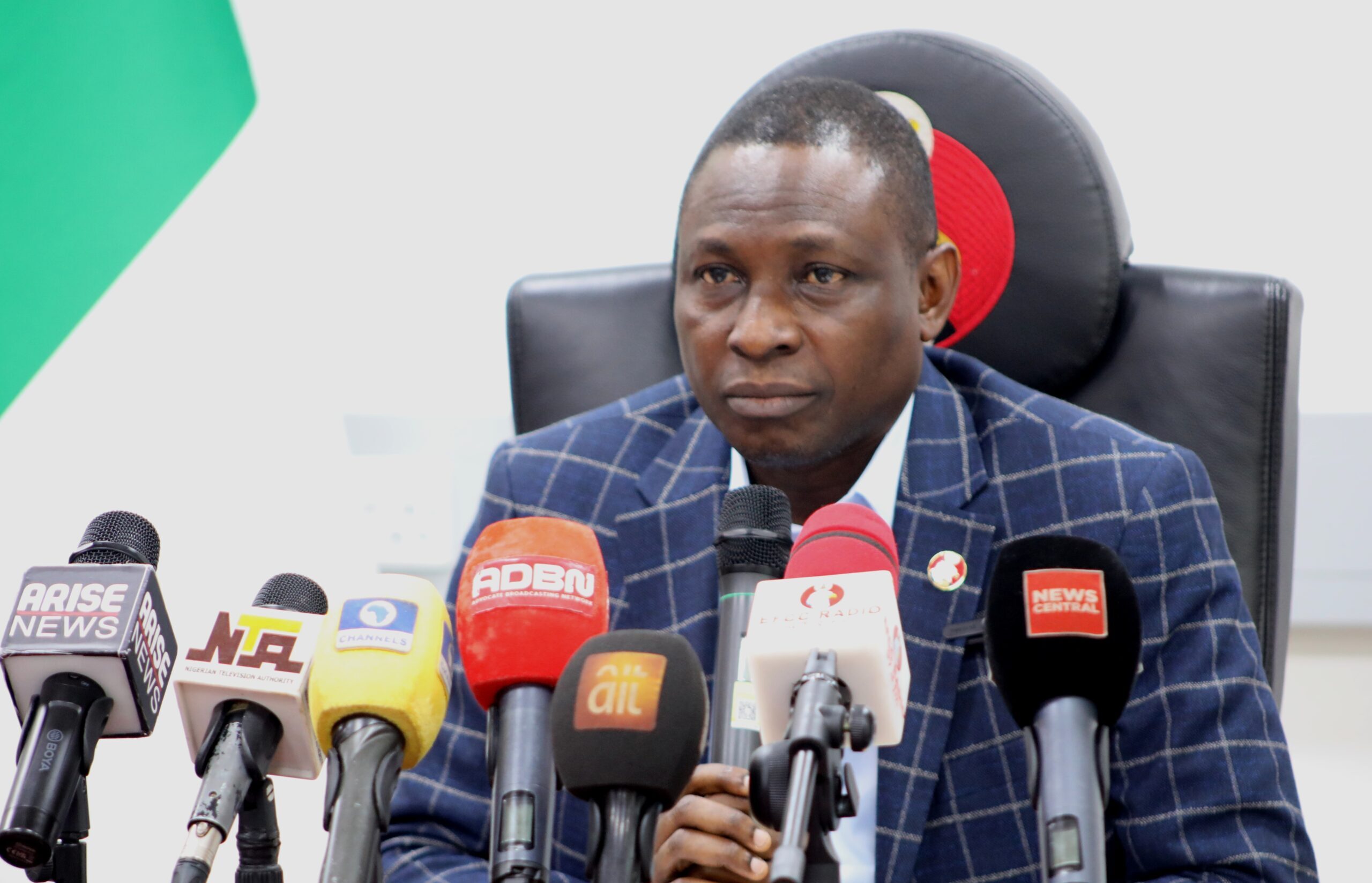
The investigation also found what they call a prima facie case against Jimoh Yisawu regarding the rehabilitation of the Warri refinery, sources said.
Investigators accuse Yisawu, a senior official at the refinery, of approving payments to unqualified contractors, allowing inflated invoices, and approving contract mark-ups of over $10 million and nearly N8 billion.
He was also accused of approving payment vouchers without the necessary cash-back arrangements, which reportedly led to losses of about $7.47 million and N1.89 billion in tax revenue.
Investigators traced more than N1.4 billion and four properties to Yisawu, which he could not satisfactorily explain. These properties are also under interim forfeiture while prosecution is pending.
So far, the EFCC has recovered N9.4 billion and $21.2 million, which have been deposited into its recovery accounts, sources told this newspaper.
An extra $2.32 million was reportedly recovered through the Federal Inland Revenue Service (FIRS).
Investigators also revealed a separate case of alleged revenue fraud of $28.39 million and N665 million against the management of the Port Harcourt Refining Company, with efforts ongoing to recover these funds.
This investigation raises new concerns about the effectiveness of the multi-billion-dollar refinery rehabilitation programs started by the federal government.
Investigators emphasized that the probe is still ongoing, and more recoveries and prosecutions are expected as more evidence comes to light.
Attempts to get comments from the NNPCL and the officials named in the investigation were unsuccessful at the time of this report. Their responses will be included once received.
Nigeria has four state-owned refineries, including two in Port Harcourt, which together make up the Port Harcourt Refining Company, with a total capacity of 210,000 barrels per day (bpd).
The Kaduna Refining and Petrochemical Company Limited has a capacity of 110,000 bpd, while the Warri Refining and Petrochemical Company Limited has a capacity of 125,000 bpd.
Overall, the four refineries can handle 445,000 bpd.
Despite large investments aimed at getting the plants running well for many years, the refineries still face operational challenges and have not run at full capacity for decades.
After failing to fix the country’s refineries, the federal government and the NNPC are looking for strategic investors and technical partners to revive the state-owned refineries. This is part of efforts to cut down on reliance on imported fuel and enhance local refining capacity.
In May, NNPC announced it had signed a Memorandum of Understanding (MoU) with two Chinese companies to help finish, operate, and possibly expand the Port Harcourt and Warri refineries.

Drop your comment
No comments yet — be the first to drop the gist 👇