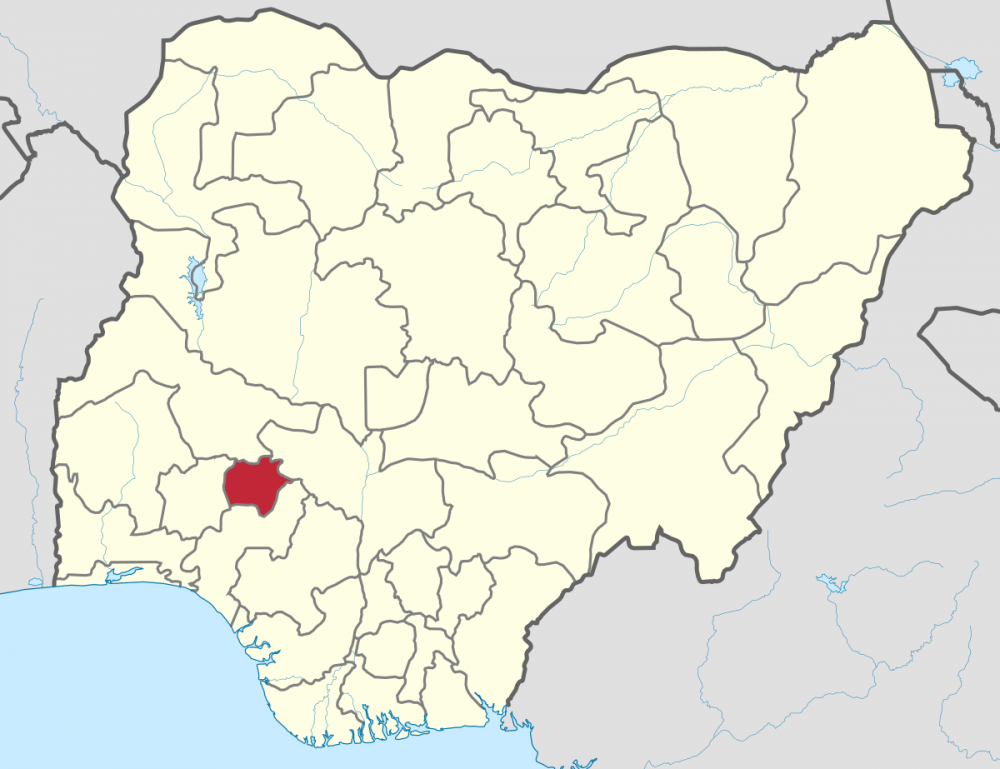
Ekiti State may be small, but it has a big place in Nigeria's politics and education. Known for its strong political participation and educated citizens, Ekiti attracts attention, especially with the upcoming governorship election on Saturday.
Here are 15 key facts about Ekiti State.
- Ekiti is one of Nigeria's newest states. It was created on 1 October 1996 by General Sani Abacha's military government from Ondo State. It was one of six states formed during Nigeria's last major state creation. The first governor was Mohammed Bawa, a military leader. Ado-Ekiti is the state capital and has been a key administrative and business center.
- Ekiti is among the smallest states in Nigeria by land area. It covers about 5,888 square kilometres in the South-west region. The state borders Kwara State to the north, Kogi State to the north-east, Ondo State to the south and east, and Osun State to the west.
- The 2006 National Population Census recorded Ekiti's population at 2,384,212. Though there hasn't been a national census since, estimates show that the population has grown, especially in cities like Ado-Ekiti.
- Ekiti is known as the Fountain of Knowledge. Few states in Nigeria are as closely linked to education as Ekiti. The state earned this nickname due to its history of producing teachers, academics, judges, lawyers and other professionals. For many families in the state, education is a top priority.
- Agriculture is the mainstay of the economy. It provides jobs for many people in Ekiti. Key crops include cocoa, yams, cassava, maize, rice, plantain and oil palm. Cocoa is a major cash crop and a vital income source for rural communities.
- Governor Biodun Oyebanji of the All Progressives Congress (APC) leads Ekiti. He took office in October 2022. The APC also controls the state House of Assembly, making it the key political party in the state.
- Ekiti is one of Nigeria's most politically active states. Since democracy returned in 1999, political power has shifted between major parties. Elections here draw national attention because the people are politically aware and elections are often closely contested. Five elected governors have led the state since it was formed: Adeniyi Adebayo, Ayo Fayose, Olusegun Oni, Kayode Fayemi and Biodun Oyebanji. Oni became governor in May 2007 but was removed in October 2010 after a court decision.
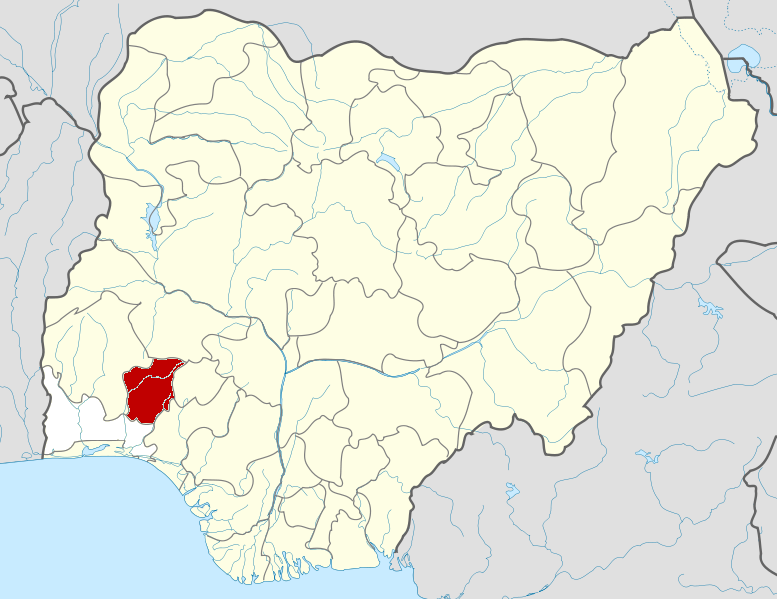
- Most people in Ekiti belong to the Yoruba ethnic group, especially the Ekiti sub-group. Yoruba is widely spoken, while English is the official language for government and education.
- Ekiti has 16 local government areas. They are Ado-Ekiti, Efon, Ekiti East, Ekiti South-West, Ekiti West, Emure, Gbonyin, Ido/Osi, Ijero, Ikere, Ikole, Ilejemeje, Irepodun/Ifelodun, Ise/Orun, Moba and Oye. Ado-Ekiti is the most developed and economically active local government area.
- Ado-Ekiti is the political and economic center of Ekiti State. It hosts the state secretariat, key government offices, courts, banks and higher education institutions. This city is also the most urbanized area and serves as the main commercial hub.
- Ekiti has rich deposits of solid minerals. The state contains important minerals such as granite, kaolin, feldspar, quartz and other industrial minerals. Many communities engage in quarrying, especially for granite.
- The state is home to one of Nigeria's oldest state universities. Ekiti State University began in 1982 under the old Ondo State government in Ado-Ekiti. Initially called Obafemi Awolowo University, it has changed names several times. Today, it is among Nigeria's oldest state universities and has produced many graduates in various fields.
- Afe Babalola University is also in Ekiti. Founded in 2009 by lawyer Afe Babalola, the university is recognized for its focus on research, infrastructure and professional education, especially in medicine, law, engineering and the sciences.
- The state hosts one of Nigeria's notable tourist sites. Ikogosi Warm Springs, located in Ekiti West Local Government Area, is famous for its unique natural springs that flow together while maintaining different temperatures.
- Ekiti has given Nigeria many influential figures in politics, law, education and public service. Some notable personalities include Afe Babalola, former NBA President Wole Olanipekun, legal expert Femi Falana, and Sam Aluko, a late professor of economics. Others include military governors like Adekunle Fajuyi and Adeyinka Adebayo, as well as current leaders like Opeyemi Bamidele and Dele Alake.
Drop your comment
No comments yet — be the first to drop the gist 👇