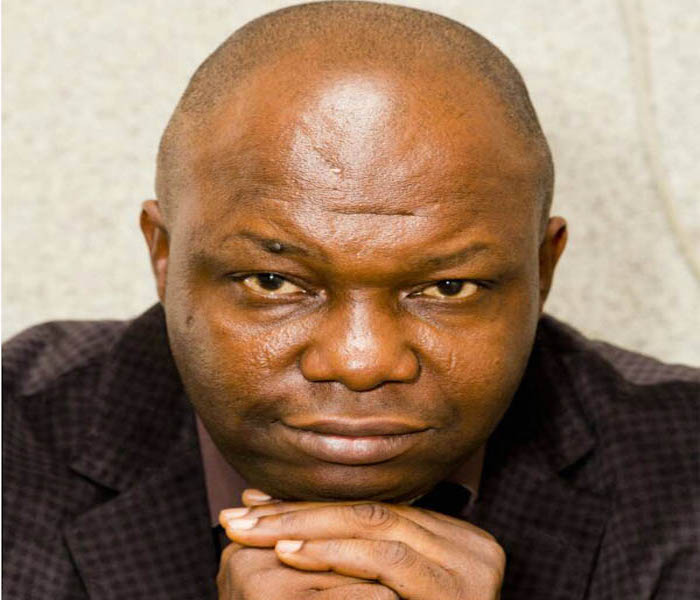
My first meeting with Nasir El-Rufai was in 2000 at the Akodo Resort, a popular spot in Lagos. As the Director-General of the Bureau of Public Enterprises (BPE), he came to promote the BPE's role in the Olusegun Obasanjo administration. I saw a really smart man.
El-Rufai is small in stature but has a big brain. He spoke with passion and confidence. His voice was soft, yet he captivated the audience as one of the best talents of that time. But as the years went by, El-Rufai showed signs of being a smart politician undone by his own pride. He seems to be caught in a political hunt, a brilliant strategist whose sharp tongue and lack of discretion became his downfall. El-Rufai's troubles show the sad story of a genius in politics: a very capable person who cannot filter what he says.
A wound from a friend does not heal easily. This African proverb reflects the current feelings of the troubled El-Rufai in Kaduna State. He is stuck in a cell of the Independent Corrupt Practices and Other Related Offences Commission (ICPC) in Abuja for over 200 days now. This must have been a humbling experience for him. Last week, he wrote a post titled "Mr Relationship And Its Aftermath" on his X account. A closer look at this suggests a mind filled with regrets and guilt, reflecting on the harsh nature of political power.
In that post, El-Rufai highlighted two themes: his relationships and their consequences. His relationships often show his fighting spirit. He has never been a politician who thought kindness was a political skill. His public career shows an unyielding bulldozer who crushed opponents; a sharp-tongued, untouchable power broker in Abuja and Kaduna.
El-Rufai reminds me of the story of an old lion who pretended to be sick and invited all the animals to his cave, then killed them one by one for food. Similarly, El-Rufai's journey is filled with the remains of political allies and bosses he harmed for his gain. The list is long: from Atiku Abubakar to Obasanjo, Muhammadu Buhari, and beyond. The question from his reflection on relationships is this: Can a man who used political power against others complain when that same power turns against him?
Let’s look at his history of battles. In September 2017, El-Rufai made a controversial remark at a Kaduna APC meeting, saying his political enemies often meet bad ends. He pointed to his conflicts with Presidents Umaru Yar’Adua and Goodluck Jonathan as proof. Many saw this as a boast that while his rivals fell, he always survived. Now, he finds himself at the end of his rope.
Yet, on the flip side, El-Rufai used his fierce nature and sharp tongue to support friendships. The most notable beneficiaries of this are former Emir of Kano, Sanusi Lamido Sanusi, and President Bola Ahmed Tinubu. After Sanusi was dethroned in March 2020, El-Rufai showed that true friendship is tested in hard times. As governor of Kaduna State, he stood firmly by Sanusi's side, risking his political future.
When Sanusi was dethroned, El-Rufai made a bold move to support him, appointing him Vice-Chairman of the Kaduna Investment Promotion Agency on the same day. Within 48 hours, he named Sanusi Chancellor of Kaduna State University. This was a strong show of loyalty when others feared Buhari's inner circle. El-Rufai even sent official vehicles to help Sanusi's family visit him in exile. After the court allowed Sanusi to return, El-Rufai went to meet him in Awe and took him to safety in Lagos.
Today, there is a stark irony: Sanusi walks freely in power while his savior sits in a cold jail cell. The political split between President Bola Tinubu and El-Rufai is similar to the rift between Kenya’s first president, Jomo Kenyatta, and his vice president, Jaramogi Oginga Odinga. The story of Kenya's fallout shows how power struggles happen across regions and times. It shows that politics often uses the same cold methods: using key allies to gain power, then removing them once in control.
In early post-independence Kenya, Odinga supported Kenyatta as the sole leader to unite the nation. But when Kenyatta became president, he quickly pushed Odinga out of influence. In both cases, Tinubu and El-Rufai, and Kenyatta and Odinga, we see a crucial ally helping to gain power only to be discarded once that power is secured. El-Rufai fought hard for Tinubu but was later denied a cabinet position due to a Senate clearance issue. This marked his fall from trusted ally to political outsider and detainee.
It is hard to tell how deep the Tinubu and El-Rufai relationship was before Tinubu aimed for the presidency. But when enemies threatened Tinubu’s candidacy, El-Rufai stepped up like a hero. He seems to have a knack for helping friends in trouble. His efforts were key in ensuring Tinubu's victory in 2023.
When many feared the Buhari era, El-Rufai led northern governors who insisted that power should move to the South after Buhari’s tenure. He challenged the presidency when it seemed they favored a northern successor. At the APC primary, El-Rufai was Tinubu’s fiercest defender. Who would have guessed that such a strong defender could become a fallen soldier?
During the 2023 campaign, El-Rufai was at the forefront. He worked hard to market Tinubu to northern voters and defended the controversial Muslim-Muslim ticket. Another betrayal El-Rufai faced came from close allies: National Security Adviser Nuhu Ribadu and his protégé, former activist-turned Governor Uba Sani. Uba Sani turned against El-Rufai at a critical time, exposing his financial records and debts as governor. He even urged the State House of Assembly to investigate El-Rufai for alleged misappropriation of funds, which is part of El-Rufai's current legal issues.
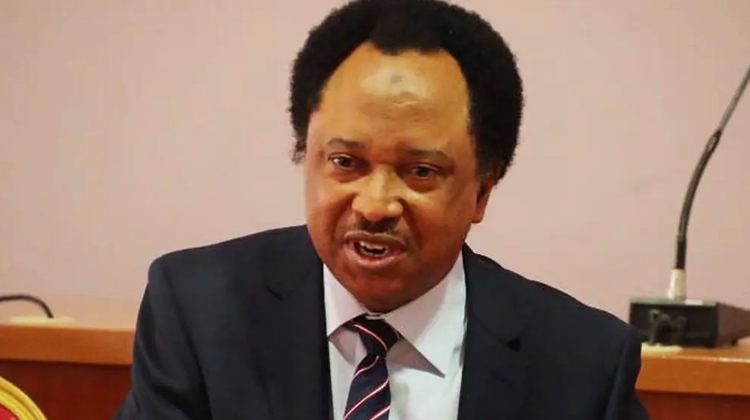
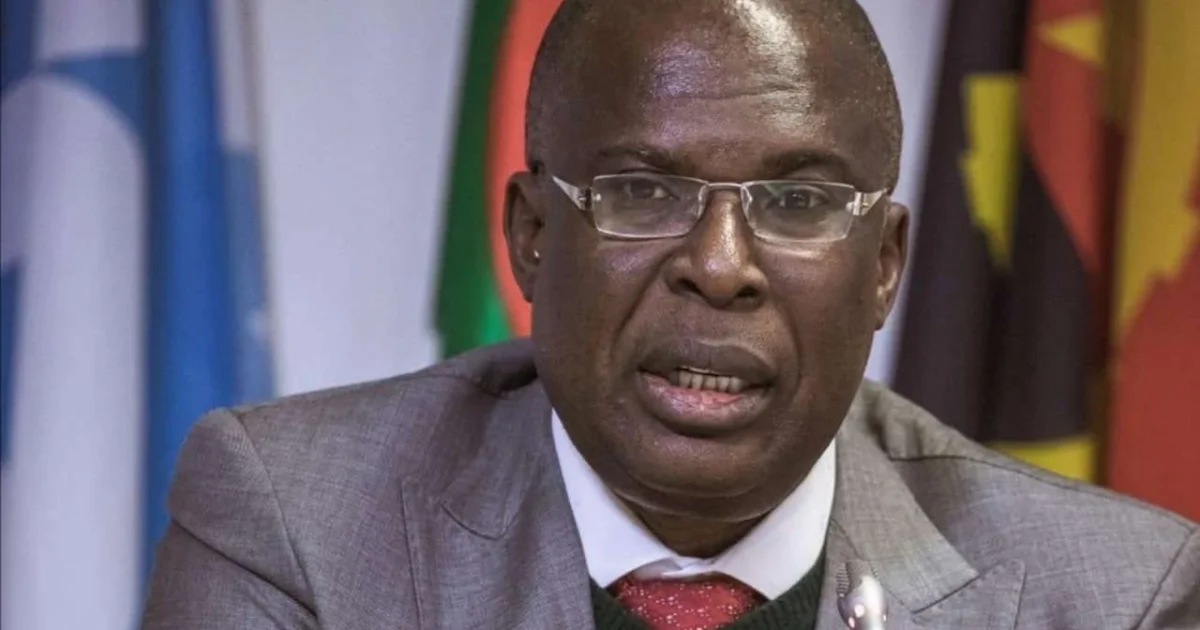
Ribadu also abandoned El-Rufai when it suited him. As Governor Sani plotted against El-Rufai, Ribadu faced his own issues related to El-Rufai's troubles. They both show how trusting a friend can be dangerous, as the Yoruba saying goes: “Ẹni a gb’ójú okùn lé, kò ju ẹni agba.”
El-Rufai’s struggles show that in African politics, "friendship" is often just a deal. It is ironic that Nasir, one of Nigeria’s smartest political players, is now facing the consequences of his own actions. He is now feeling the pain of betrayal from those he protected, learning how loyalty can vanish when it matters most.
While in power, El-Rufai gained many enemies. Activist Shehu Mahdi pointed out how he angered northern elites by revoking land allocations and making controversial security decisions. He strained ties with elders who could help him now. Mahdi mentioned that while campaigning for Tinubu, El-Rufai said, “there were no elders in the North” because they opposed Tinubu. Those same elders have now stayed quiet as he faces his struggles.
Many see El-Rufai as the architect of his own troubles. In his 2013 memoir, The Accidental Public Servant, he described how friends leave and subordinates abandon leaders once they lose power. His life reflects this painful reality of betrayal by those closest to leaders without power. It reminds me of what a follower told former Enugu State governor, Chimaroke Nnamani, in 2007 when he faced political abandonment. The follower said, in Igbo, goats follow only he who holds the palm-frond, meaning political power that has just changed hands. While wounds from strangers heal, the pain of betrayal from a friend can break trust.
El-Rufai’s situation brings to mind Niccolò Machiavelli’s The Prince and Thomas Hobbes' ideas on survival in power. El-Rufai’s isolation shows that in politics, gratitude is seen as a burden, while survival is the main rule.
Yet Nasir should know that the rules applying to him also affect his enemies. Politics is like war, where you either defeat or get defeated. Those who justify keeping El-Rufai locked up until the 2027 elections do so to protect themselves: no one wants to expose themselves while keeping an eye on others.
A key rule in military training is to never leave a wounded soldier behind. Ribadu, Uba Sani, and Sanusi have all ignored this rule in the power game. Nasir is that wounded soldier caught in a crossfire.
These betrayals, Kenyatta/Odinga, Tinubu/El-Rufai, El-Rufai/Sani, El-Rufai/Ribadu, El-Rufai/Sanusi, highlight a key rule in politics: once a kingmaker has served their purpose, they become a liability. Just as Kenyatta saw Odinga as a threat to his power, Tinubu moved to isolate El-Rufai to strengthen his control.
In all of this, we see how fleeting power can be. Political friendship can feel like a handshake over a dagger, and loyalty is often temporary. El-Rufai’s downfall shows how quickly praise can fade once the masks fall off. For those watching, it’s a haunting reminder of political memories in Africa: the axe forgets, but the tree remembers. In the world of power, even the tree learns to act like it has no roots.
What does Sanusi’s silence mean today? Is it about personal morals, survival, or the understanding that he cannot risk his position for a fallen governor?
El-Rufai’s fate serves as a warning to Nigeria’s political class. It is a cautionary tale for those in power in Abuja and across the 36 states: the political world is filled with fair-weather friends, and the top can be a cold, lonely place.
Drop your comment
No comments yet — be the first to drop the gist 👇