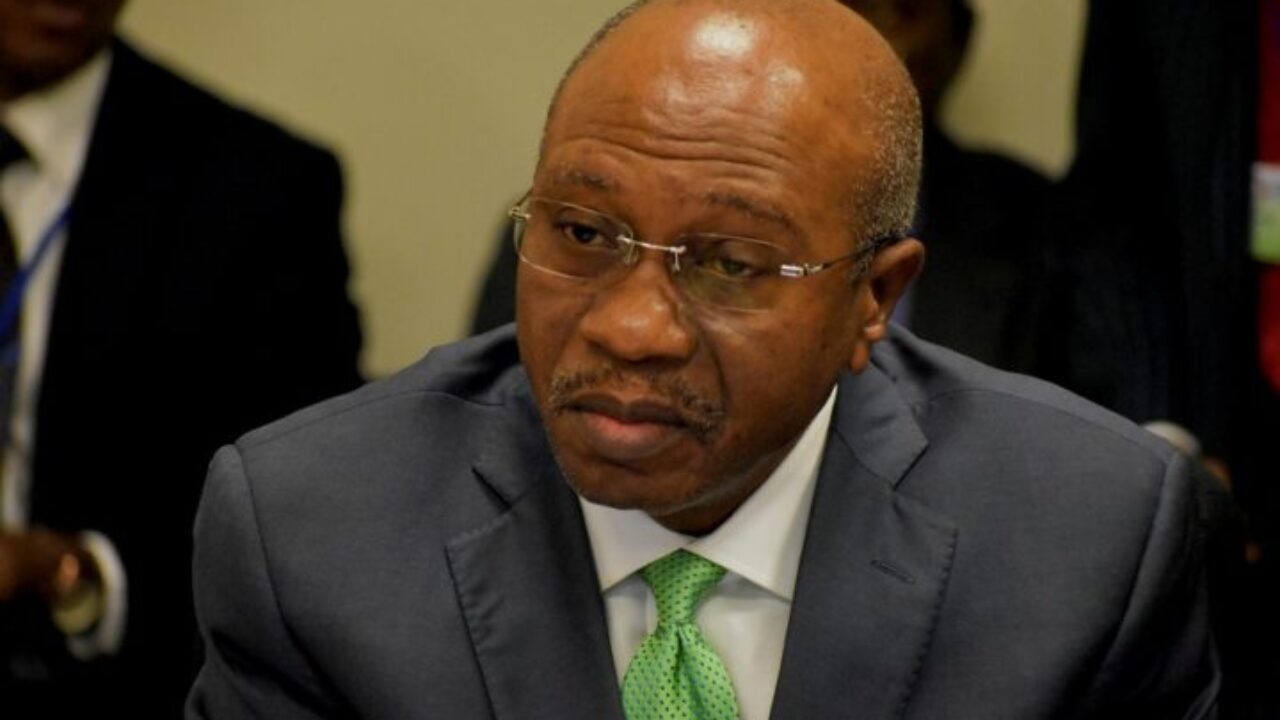
A police investigator told an FCT High Court on Thursday that former Central Bank of Nigeria (CBN) Governor Godwin Emefiele changed the colors of the naira notes instead of redesigning them as approved by former President Muhammadu Buhari.
Eloho Okpoziakpo, the 11th prosecution witness, made this statement during Mr Emefiele’s trial over claims of illegal naira redesign and other financial misconduct. Mr Okpoziakpo, a Commissioner of Police who led the investigations into the allegations against the former CBN governor after his removal in June 2023, gave this testimony while being questioned by the Director of Public Prosecutions of the Federation, Rotimi Oyedepo, a Senior Advocate of Nigeria (SAN).
The witness stated in court that there was no proof that the CBN board met to approve the color change. He explained that Mr Emefiele had asked for President Buhari’s approval for a naira redesign and included samples of the proposed notes, which the president approved.
“But what was eventually done was not a redesign as was approved by the president but a color swap,” Mr Okpoziakpo said. This case is one of many prosecutions Mr Emefiele faces since his removal from office in June 2023 over allegations of corruption and financial misconduct.
In the four charges against him in this case, the Economic and Financial Crimes Commission (EFCC) accused him of illegally redesigning the naira notes and printing N684.5 billion worth of currency at a cost of N18.96 billion. The EFCC said Mr Emefiele unlawfully redesigned Nigeria’s three highest denominations: the N200, N500, and N1,000 notes, in 2022. This policy caused a serious cash shortage, leading to widespread hardship before the 2023 general elections.
According to the EFCC, Mr Emefiele broke Section 19 of the CBN Act, which requires the bank to get the president's approval, based on the board's recommendation, before changing the currency. The commission also accused him of wrongfully allowing the withdrawal of N124.8 billion from the Consolidated Revenue Fund (CRF), claiming it violated the rules that require legislative approval for such withdrawals, usually through an Appropriation Act or budget.
Mr Emefiele has denied these claims.
What happened with the color swap
During Thursday’s court session, Mr Okpoziakpo said Mr Emefiele sent the president’s approval to the Managing Director of the Nigerian Security Printing and Minting Plc (NSPM). However, the managing director raised concerns in a letter to Mr Emefiele, which the witness read to the court.
“It was then agreed that based on the urgency, we should advise the CBN to avoid changes to the banknotes, which require a long period to implement. Instead, work on the colors because of the availability of inks and how far it can be accessed. It will also enable the NSPM to serve the CBN and its nation diligently,” part of the letter read.
Mr Okpoziakpo stated that the initial designs Mr Emefiele submitted to the president included QR codes, watermarks, and different numbering on the N1,000, N500, and N200 notes. However, he said the versions Mr Emefiele eventually approved for production did not include QR codes. The witness stressed that there was no later presidential approval for the notes that were eventually produced.
Withdrawal from the CRF
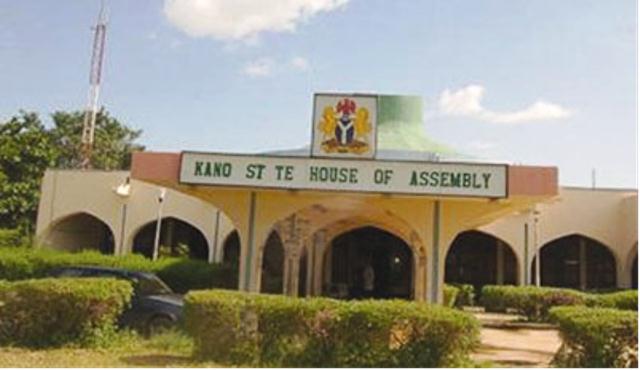
The investigator also informed the court that Mr Emefiele allowed the withdrawal of N124.8 billion from the CRF without the National Assembly’s approval. The CRF, set up under the Nigerian Constitution, is the federal government’s main account where most government revenues go and from which public spending happens with legislative approval.
Reading Mr Emefiele’s approval to the court, Mr Okpoziakpo said it stated: “Please debit the CFR account for N124.8 billion and clear the debit in the account.” He noted that the Ministry of Finance told the investigation team in a letter that the debit was made directly by the CBN.
Questions about the investigator’s qualifications
During cross-examination by Mr Emefiele’s lawyer, Olalekan Ojo, Mr Okpoziakpo shared his academic and professional background. He stated he holds a Bachelor of Science degree in psychology, a Master of Science degree in International Diplomacy, and has completed basic police training. The witness noted he served in the Nigeria Police Force for 31 years, focusing mostly on investigations.
He mentioned working at the police intelligence department in Abuja during the naira redesign policy implementation. Mr Okpoziakpo said he took Mr Emefiele’s statement at the Kuje Custodial Centre with Jim Obazee, the special investigator leading the inquiry into the former CBN governor’s alleged misconduct. However, he clarified that he did not personally interview Mr Emefiele. His role involved analyzing documents and questioning the managing director of the NSPM.
Mr Ojo presented him with an audit report of the CBN covering Mr Emefiele’s time there. But the witness insisted that the investigation did not rely on the audit report but focused on the legality of the CRF withdrawal.
Justice Maryann Anenih adjourned the case until 2 December. Mr Okpoziakpo’s testimony matches that of Ali Muhammed, the 10th prosecution witness. On 6 October, Mr Muhammed stated that withdrawals from the CRF need approval from the Ministry of Finance and the Office of the Accountant-General of the Federation (OAGF). He said the Federal Ministry of Finance did not know about the N124.8 billion deduction.
The case so far
So far, the EFCC has called 11 prosecution witnesses, including Mr Okpoziakpo. Many of them have testified that the naira redesign and other financial actions taken under Mr Emefiele did not have the necessary approvals from relevant authorities. In November 2024, the fifth prosecution witness, Kingsley Obiorah, a former CBN deputy governor, said the bank’s board never recommended the naira redesign to former President Buhari.
Mr Obiorah, who testified remotely, mentioned he previously served as Mr Emefiele’s special adviser on economic matters before becoming deputy governor. He said the CBN board first learned about the redesign policy in mid-December 2022. Similarly, Chinedu Eneaya testified in October 2025 that Mr Emefiele started the controversial redesign in 2022 without getting approval from the CBN board and its Committee of Governors (COG). He said Mr Emefiele only sought the board and COG’s approval after Mr Buhari had agreed to the redesign. According to Mr Eneaya, Mr Emefiele admitted this in a statement made during the investigation.
Drop your comment
No comments yet — be the first to drop the gist 👇