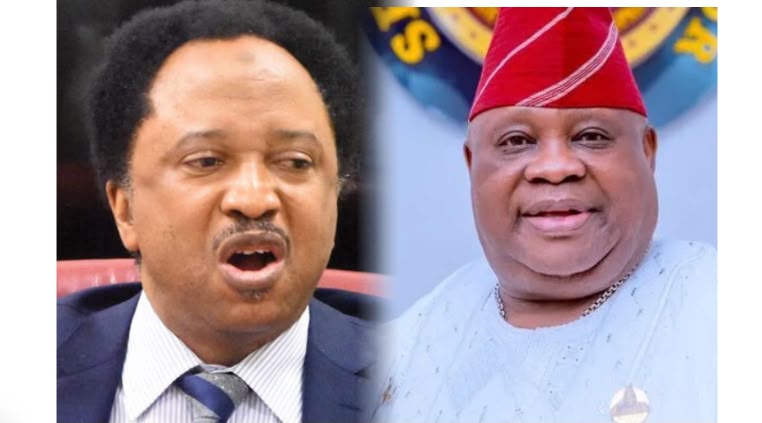
Former senator Shehu Sani has called on Osun State Governor Ademola Adeleke to use his second term to tackle the state’s long-standing local government issues. He wants the governor to strengthen public institutions and ensure more transparency in managing public funds.
Mr Sani believes that this renewed mandate is a chance to build on past achievements, fix problems, and create institutions that can function well after his government.
He made these points in a keynote speech titled "Beyond the Ballot Box: Subnational Governance, Institutional Independence and the Future of Democracy in Nigeria.” This speech was meant for Mr Adeleke’s second-term inauguration set for Friday.
According to the former senator from Kaduna Central, winning an election is just the first step in democratic governance. The real challenge is whether public institutions work properly and improve the lives of the people.
"Elections determine who occupies public office. Institutions determine how that office is exercised. Governance determines whether the exercise of power improves the lives of citizens," he stated.
Mr Sani argued that democracy should be judged by the quality of public schools, healthcare, roads, security, and jobs available to the people, not just by how often elections are held.
He urged Mr Adeleke to make sure that the state’s democratic process leads to real improvements in communities across Osun.
A significant part of the speech focused on the ongoing local government crisis in Osun, which Mr Sani described as one of the state’s biggest challenges.
This dispute has involved arguments over the legitimacy and control of local councils, legal battles, and confusion about council operations and access to funds.
Mr Sani said the crisis has disrupted local administration and affected local government workers. He also mentioned that clashes around council offices have led to violence and loss of lives.
He said ordinary people have suffered due to these political and legal fights, especially those who rely on local councils for basic healthcare, sanitation, roads, and other vital services.
"Whatever the legal and political arguments made by the contending parties, the ultimate cost was borne by ordinary residents," he said.
He urged the governor to focus on the welfare of the people, respect court decisions, and resolve outstanding disputes through legal means.
He also called for a clear system for managing and publishing local government finances, including monthly updates on council allocations, budgets, contracts, and spending.
Mr Sani suggested that council chairpersons should hold regular town hall meetings and undergo independent audits, with the results made public.
"Local government autonomy without accountability just shifts the problem from one level of government to another," he noted.
The former senator also called for greater independence for the legislature, judiciary, civil service, auditor-general, and procurement bodies. He warned against political interference in their work.
He emphasized that the Osun State House of Assembly must be able to review government spending, evaluate policies, and ask tough questions without fear.
"A confident Governor should welcome a strong legislature because scrutiny improves policy and protects public resources," he explained.
He further urged Mr Adeleke to ensure that hiring, promotion, and assignments in public service are based on skills, fairness, and due process, not political ties.
Mr Sani warned the governor not to let political tensions at the federal level or disagreements with local opponents limit his administration.
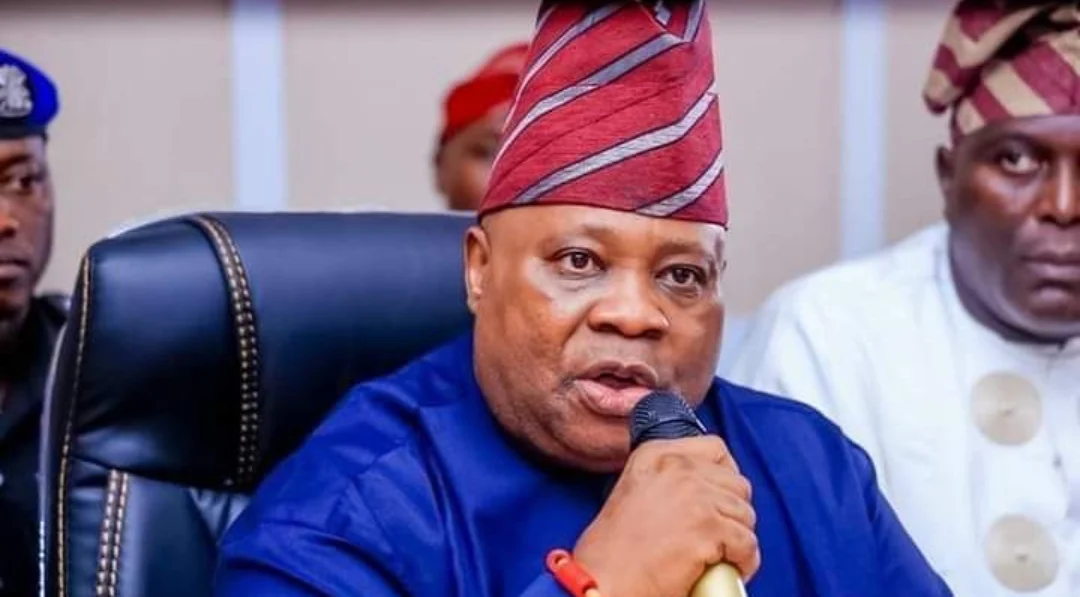
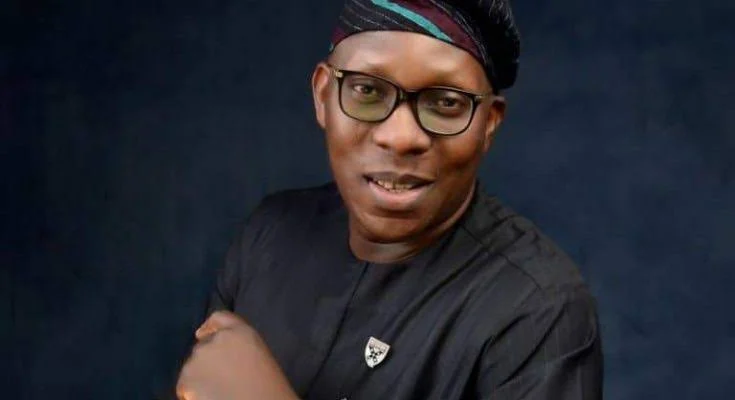
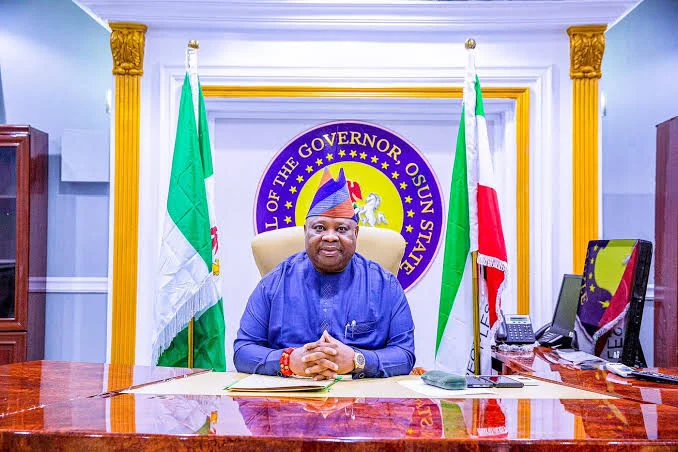
He said the best way to deal with political blockages is to strengthen institutions, promote transparency, engage wisely, and show results.
Reflecting on the governor’s first term, Mr Sani recognized efforts in roads, schools, primary healthcare, social welfare, and public finance.
He cited figures from the Osun government’s third-anniversary report, showing that the Imole Free Surgical Scheme reached over 70,000 people across the state’s nine federal constituencies. He also mentioned that 120 schools were rehabilitated.
The report also stated that the state’s internally generated revenue rose from about ₦27.72 billion in 2023 to ₦54.7 billion in 2024. It noted that the state’s domestic debt stood at ₦83.32 billion in early 2025, down from approximately ₦148.37 billion in December 2022.
However, Mr Sani said these claims should be independently verified. He added that residents deserve clear information about the administration’s performance.
"The public deserves more than competing claims by government and opposition. The next stage must be characterized by independently verifiable outcomes, transparent data, and a willingness to correct shortcomings," he said.
He urged the governor to create an independently assessed Osun State Governance and Development Scorecard, to be published yearly and made available to the public.
This scorecard should look at road conditions, school performance, health facility effectiveness, job creation, agricultural productivity, water access, public debt, revenue performance, procurement compliance, and local government services.
He recommended involving credible professionals, universities, civil society organizations, and relevant public institutions in the assessment.
On the state’s economic future, Mr Sani urged the government to move beyond relying on federal allocations and temporary construction projects. He suggested developing agriculture, tourism, manufacturing, technology, and other productive sectors.
He pointed out Osun’s cultural heritage and tourist spots, like Ile-Ife, the Osun-Osogbo Sacred Grove, and Erin-Ijesha Waterfalls, as opportunities to boost tourism and create jobs.
He also called for better access to finance, storage, processing facilities, and markets for farmers, along with stronger technical and vocational training for young people.
Mr Sani warned against announcing many new projects while neglecting to complete and maintain existing ones.
"Every major project should have a published cost, delivery timetable, responsible agency, maintenance plan, and measurable public benefit," he stated.
He urged Mr Adeleke to govern for all residents, including those who supported other candidates in the election.
He said opposition parties should be seen as part of democracy, not as enemies. He also warned them against intentionally disrupting public services.
The former senator cautioned the governor against surrounding himself with advisers who only offer praise instead of honest evaluations of government performance.
"Sometimes criticism is not hostility. It is free advice from the people," he said.
Mr Adeleke is set to be inaugurated for a second term on Friday, 27 November, following his re-election on 15 August 2026. He received 511,067 votes to defeat the All Progressives Congress (APC) candidate, Bola Oyebamiji, who got 444,815 votes.
Drop your comment
No comments yet — be the first to drop the gist 👇