I find the word "audacity" interesting. It shows courage and a desire to do things that seem tough. Let's talk about why we need to make bold choices in Enugu.
Nigeria is one of the youngest countries in the world. Almost two-thirds of our people are under 30. This gives us a great chance. This generation could be the biggest force for growth, creativity, and productivity Nigeria has seen. But there is another side. This youth boom could either help us or lead to big problems. We need to know what will make the difference.
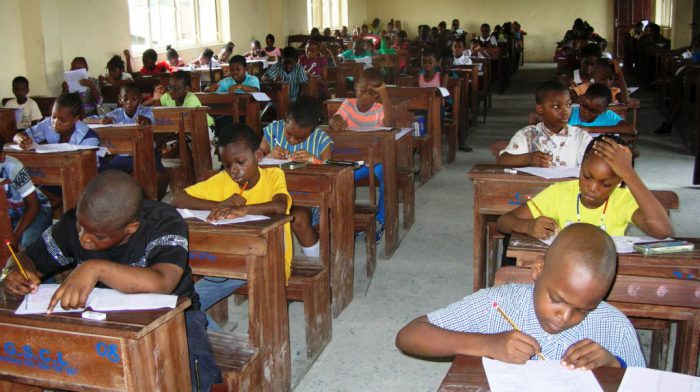
Right now, Nigeria's numbers on out-of-school kids are not good. A recent UNICEF report showed concerning results from basic subject tests for Junior Secondary 2 students. It revealed that many pupils are just going through the motions of learning without really grasping anything.
Think about that. We are not just facing a problem of access to schools. We have a learning crisis. This issue is happening in a world where knowledge is becoming more valuable. Technology is changing jobs quickly. The countries that will succeed are the ones that can create, use, and adapt knowledge. This is the world our large number of young Nigerians will face.
So when we talk about changing education, we are not just discussing schools. We are talking about the future ability of this country to grow.
When we took office in Enugu, we had to face this reality. We could have just repaired the old system. We could have fixed some classrooms, added desks, and put computers in a few schools and called it reform. But we had to ask ourselves a tougher question: would that be enough? Would an education system built for 40 years ago prepare a child in Enugu for the future? We decided that the answer was "no." Once we recognized that, we knew we had to respond differently. This is where the idea of audacity starts to make sense. We did not just want to fix the old classrooms.
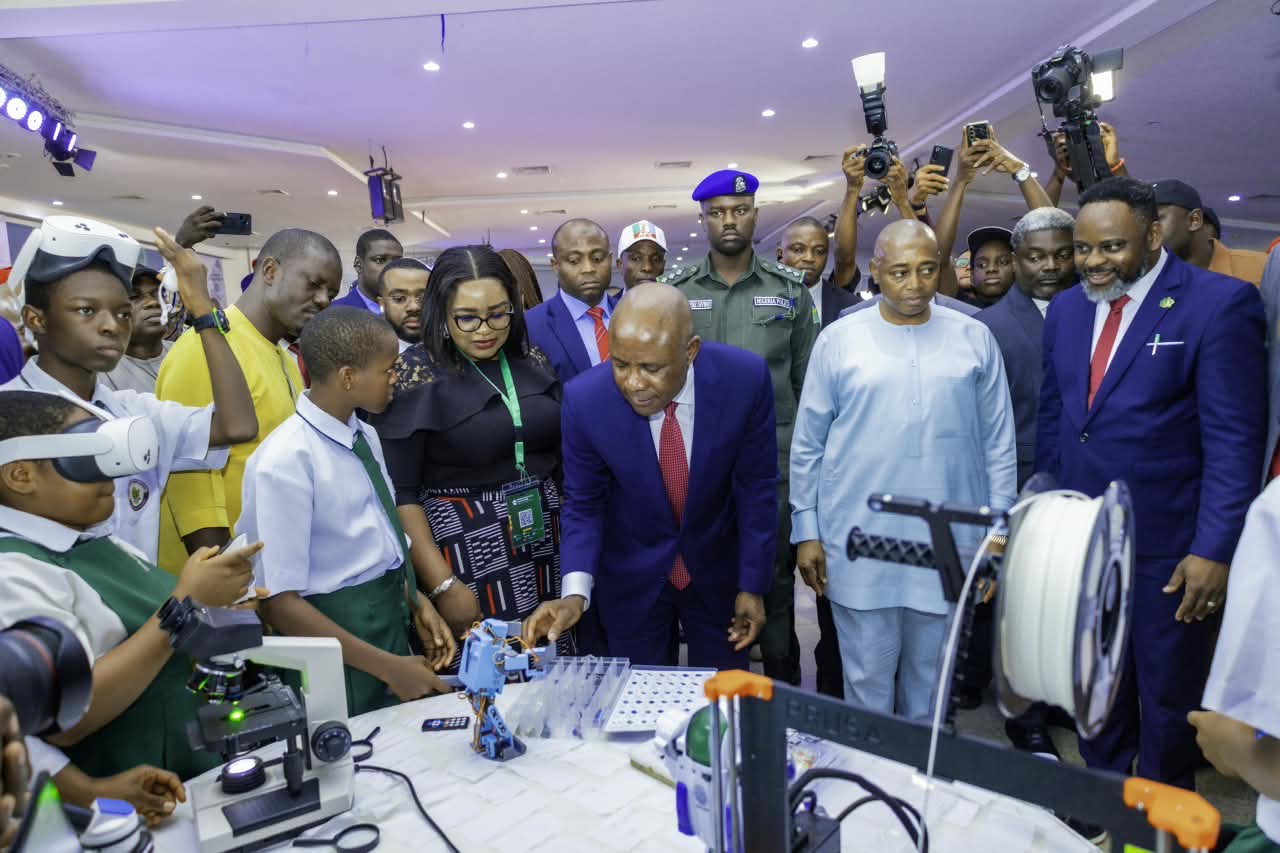
We chose to completely rethink education in Enugu. We committed to building 260 Smart Green Schools, one in every ward of Enugu State. So far, we have built over 7,000 classrooms.
We made sure to build these schools not just in cities, but also in areas where children often inherited poor-quality education based on where they live.
We moved from rote learning to hands-on learning; from memorizing answers to understanding problems; from simply knowing facts to collaboration, critical thinking, and using knowledge in real life.
We backed our belief with money. For three years, about a third of our state budget has gone to education. This is a big commitment of public funds.
But it comes from a strong belief: to end poverty, we must tackle its roots. For us, one root is a lack of knowledge and skills. These are what help people create wealth, find jobs, and take part in society. We calculated that whatever education costs us today, ignorance will cost us much more tomorrow.
Of course, none of this happens alone. A child cannot thrive in a school if the surrounding society is failing. So, while we improved education, we also dealt with insecurity, built roads, expanded healthcare, restored water, and made conditions better for investment.
We have built or repaired over 1,500 kilometers of roads. In the same 260 wards with our Smart Green Schools, we have also built 260 Type-2 Primary Healthcare Centres.
And we worked hard to find the resources to support this ambitious plan. In 2022, before we took office, Enugu State generated about N27 billion internally. By 2025, our revenue from internal sources climbed to over N400 billion. Tax revenue made up N51.5 billion or 12.6 percent of this. N355.2 billion or 87.4 percent came from non-tax revenue, mainly from our investments and reviving our previously non-productive assets.
This growth in income did not happen on its own. We must also thank the Federal Government for changes that improved public financing. The result is better financial strength at the state level.
The point is clear: transformation cannot happen just on hope. Someone has to pay for it. What we are doing in Enugu is not just a bunch of education projects. It is a shift in our whole development model.
Sometimes small changes are enough. Other times, small changes only keep us from where we need to be. We decided that education in Enugu had reached a point where we needed something bigger.
But I must say this: building schools is the easy part. Changing an education system is much harder. That is because a school only works well if the relationship between teacher and student is strong. No education system can be better than the quality of its teachers. This is perhaps our biggest challenge.
We are asking teachers, who learned in a certain way, to help create a new approach. For decades, the method was simple: the teacher taught at the front, knowledge went one way, students copied and memorized.
Now we are asking both teachers and learners to do things differently.
This is a big cultural shift that needs us to develop the people to keep it going.
That is why we focus on teacher development, ongoing learning, and the work of the Centre for Experiential Learning and Innovation. The buildings might be new, but if the learning culture does not change, we will just have the old system in nicer buildings.
Sometimes, something happens that shows you what all this could be. I had one of those moments recently. Let me share an amazing story:
There is a boy at our Smart Green School in Owo. He has been there for about two years. Owo is not a big city in Enugu. It is a community where, until recently, kids could go through basic education without ever touching a computer.
This boy was recently invited to help teach students from other schools. I saw the video. He stood in front of city boys, encouraging and teaching them.
In just two years, he learned to use technology well, build websites, work with digital platforms, and understand how Artificial Intelligence can help him. Now he is helping others, saying: "You can do this too. Believe in what you can achieve."
I was impressed watching him. Here was a young boy from Owo, from a place where this kind of access seemed impossible, now teaching city students what is possible.
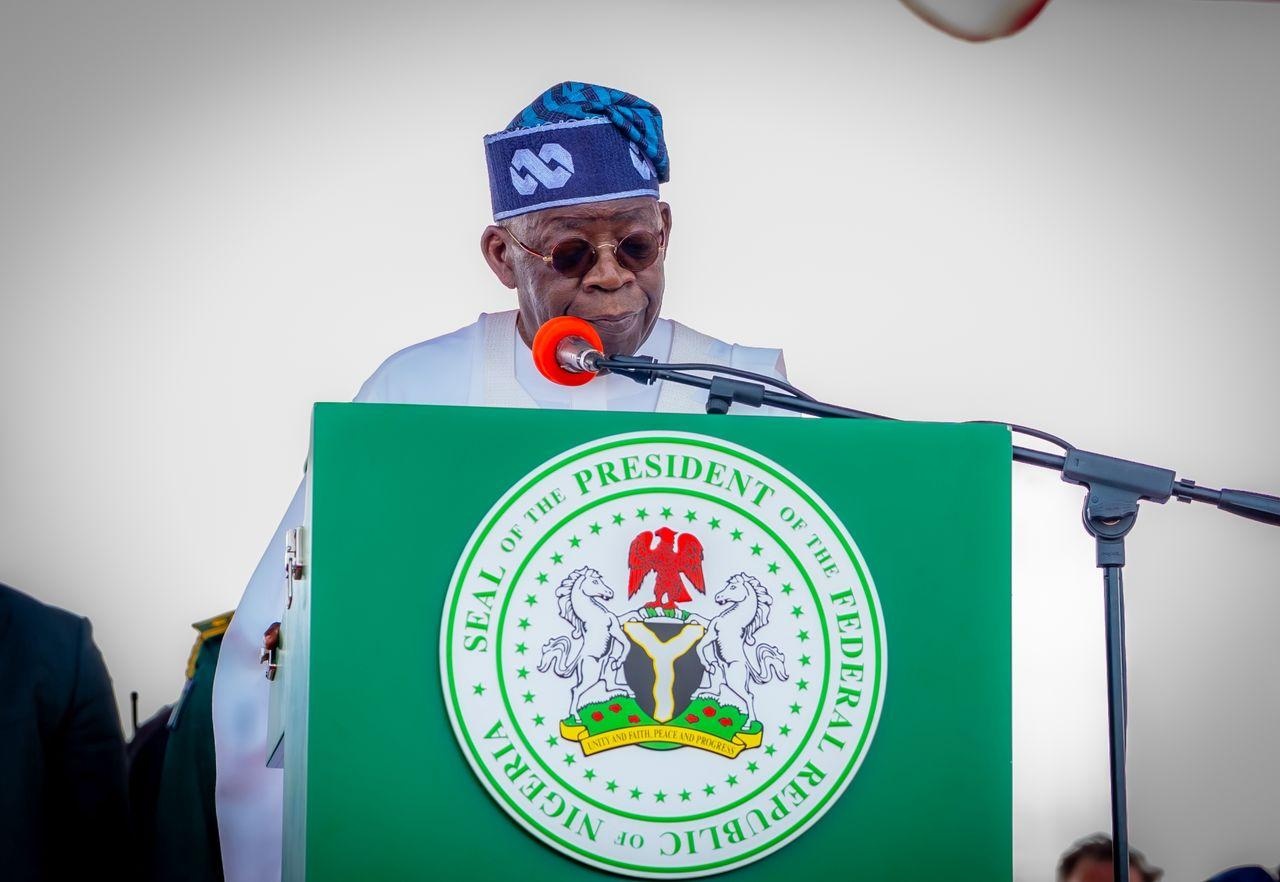
Education did not just give him digital skills. It changed how he sees his own potential, and now he is helping others see theirs. That, to me, is transformation in action. We must judge the system by what our children learn, what they can do, and who they grow to be.
This also speaks to inclusion. The talent was always there. The intelligence was always there. What was missing was access.
Still, dear guests, even with clear changes, doubts remain. I understand those doubts.
If you live in a place with bad roads, no running water, and your main worry is feeding your family, a Smart Green School might seem like a luxury.
If you are a teacher who has worked in one way for years, change might feel like someone saying you are outdated.
And if you handle public money, putting one-third of the state budget into education raises a valid question: can we afford this?
I would turn that question around: can we afford not to? If we fix the roads today but do not educate the child who will maintain them tomorrow, how useful was our investment in the road? If we build factories but do not have skilled people to run them, how will we have our own Industrial Revolution?
If Nigeria wants to be a country that creates rather than just consumes, a knowledge economy that can compete, collaborate, and contribute, we must prepare our young people not just to use what the world offers but to research, design, and create what the world needs.
And if millions of young people grow up without the knowledge and skills to take part in the economy, what will the social cost be?
I have never seen our investment in education as optional spending. It is a necessary investment for the future of our society.
Education has something unique about it, politically. Many things governments build can be completed within a term. Education does not give that quick satisfaction.
Some of the three-year-olds entering our schools today will not reach their full potential for 20 years. I will not be Governor then. Most of us in this room will never see the complete results of the investments we are making now.
I recently called this a labor of love. We are investing a lot of public resources in outcomes that may only show after we leave government.
But that is sometimes what leadership requires. Our duty cannot end when our time is up. A child’s education takes much longer than a governor's or commissioner’s term.
So, I go back to the title of this talk: "The Audacity of Enugu’s Education Transformation." Yes, the shift should show that audacity and need are not opposites. The more you see the need, the bolder the response must be.
It may have taken courage to put a third of our budget into education. It may have taken bravery to build 260 Smart Green Schools at once across every ward.
It may take courage to ask everyone involved in education, government, teachers, parents, and children, to go beyond familiar ways and accept something new.
But courage does not mean acting without thought. Sometimes it means having the strength to see what is needed and then acting at the level that need requires.
What was the alternative? Nigeria has one of the largest youth populations in the world. We have big dreams to become a country that creates rather than consumes; a knowledge economy that can compete, collaborate, and contribute.
We want to end poverty, create wealth, and help our young people build real futures here. How can we achieve any of this without the knowledge to research, design, produce, and create? That is the link we must make. Once we see it, courage turns into necessity.
I believe Nigeria has reached a point where we must treat education as a national emergency. Not just in words, but in our budgets, teacher training, infrastructure, the standards we set, and the partnerships we create with the Federal Government, states, development agencies, communities, and the private sector.
Our future depends on the knowledge and skills of our people. That means every Nigerian child, no matter where they are born, must have access to an education that prepares them for the world ahead.
Once we understand this, the question changes. It is no longer: can we afford this big leap? It becomes: What will happen if we do not?
Our demographic dividend could be amazing. But that future will not just happen. We must build it. And if Enugu’s story teaches us anything, it is this: when the challenge is big, courage is not an option. It is a must.
Thank you.

Drop your comment
No comments yet — be the first to drop the gist 👇