Nigeria is at a key point in its political journey and growth. The biggest country in Africa by population and economy, Nigeria is set to become the third largest country in the world by 2050, overtaking the United States.
In less than two months, Nigerians will vote in important elections. The country is dealing with serious issues like insecurity, economic troubles, rising poverty, and high unemployment. The end of fuel subsidies, poor economic management, and corruption have worsened these issues.
In the last decade, efforts to reduce poverty and inequality, create jobs for young people, and improve health care and education have stalled. Almost 32 percent of children under five are stunted and will miss their full cognitive and physical potential. About 2 million children face severe malnutrition. According to UNICEF, over 20 million children are not in school. This is a shame for Nigeria as it makes up 15 percent of the global total.
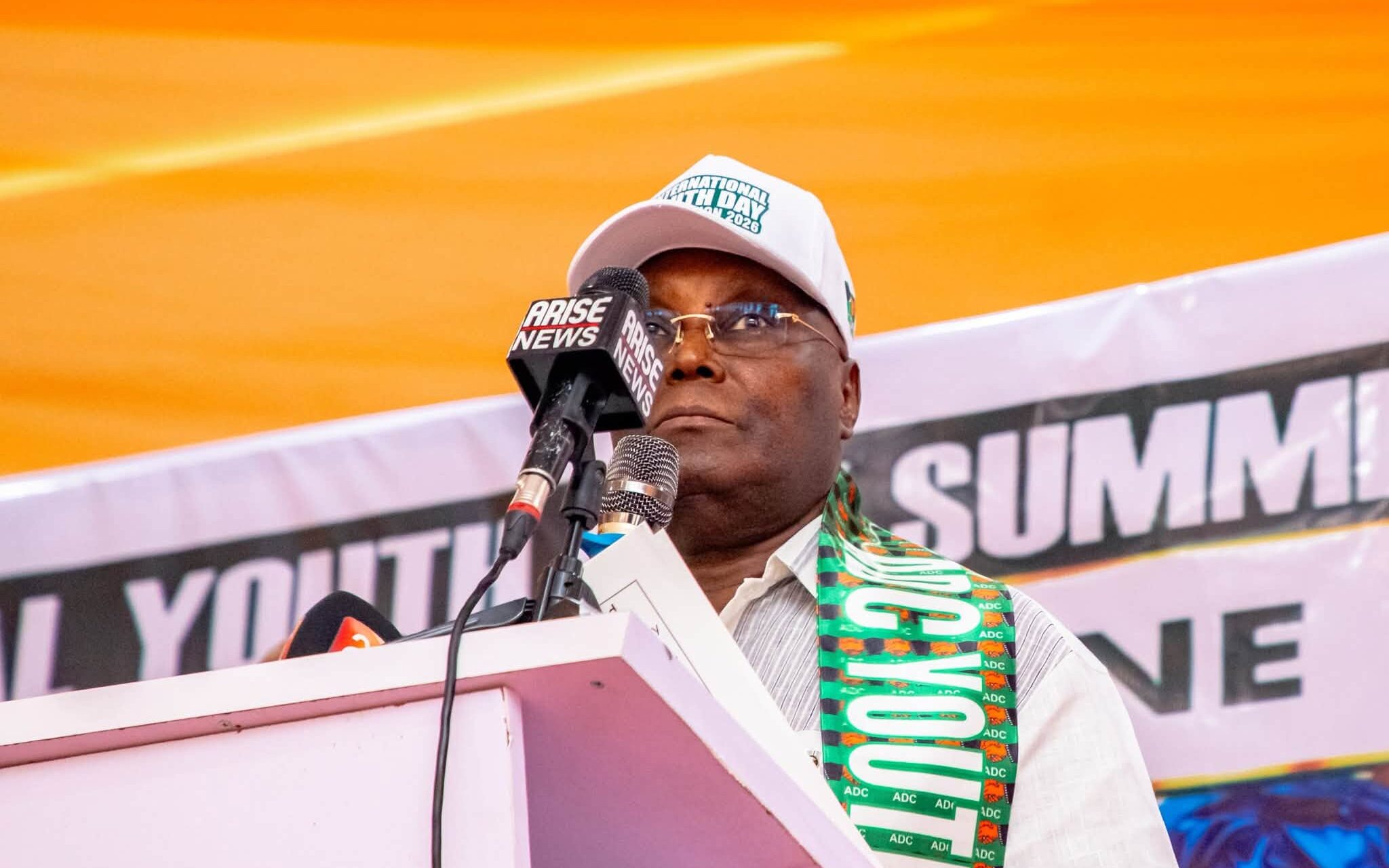
Education is the backbone of any society. It drives growth, job creation, democracy, public health, and gender equality. One presidential candidate has dedicated his life to education. We worked at the university Atiku Abubakar founded, the American University of Nigeria (AUN). One of us was president for eight years, another served as a faculty member and Vice-President of Safety and Security for thirteen years, and the last was on the AUN Board for twelve years. We were drawn to his vision of the university as a development institution.
AUN was created with a unique education model. It aims to prepare youth to tackle Nigeria's development challenges. The idea is that education becomes powerful when students gain deep knowledge and learn how to apply it. They can build businesses, develop solutions to poverty and inequality, and use technology to solve local problems.
AUN has lived up to its mission during tough times in Northeast Nigeria. During the Boko Haram crisis in Yola, Atiku Abubakar sent a message saying, "Make sure no one in Yola goes hungry." He supported the university's efforts to feed and educate the 300,000 internally displaced people in the area. When we brought the Chibok students to AUN and lacked funds for their housing, clothing, and education, Atiku Abubakar and an American businessman, Robert Smith, covered all their costs.
AUN led the way in the region by staying open. This was only possible because of AUN’s Founder, who supported the security measures at the university and in surrounding areas.
His contribution was both strategic and technological. He helped with the Monday morning program, Safiya, on Gotel Radio and TV. This program communicated important safety and security information to the region for a year.
Atiku Abubakar's work for safety and security also included education. During the insurgency, AUN served children in Yola and nearby areas by starting the Feed and Read program. This program kept young children away from Boko Haram. It helped the poor and the internally displaced, while also reducing the recruitment of young men into insurgency groups.
One child told us it was either join Feed and Read or join Boko Haram. When another university north of Yola was destroyed by Boko Haram, the Founder allowed their students to use AUN’s facilities so they could graduate on time.
Building a successful university takes years of investment in people, facilities, faculty, technology, academic programs, and institutional growth. His experience with American Peace Corps teachers as a child made him familiar with American education models, which are some of the best in the world. Atiku's role in starting AUN is notable because he used his wealth for public good, impacting generations through the education of young Nigerians and strengthening the country’s human resources.
At this crucial time in Nigeria’s history, it is vital for the country to recognize his vision and achievements over the years. Atiku Abubakar's commitment to education shows a lasting belief in the future and the ability of Nigerians to shape it.
The U.S. Peace Corps summed up his educational contributions well. In 2011, he received the Peace Corps’ Harris Wofford Global Citizen Award.
The award citation states: "Atiku Abubakar has had a distinguished career in public service, private business, and philanthropy. His most significant legacy is the founding and support of the American University of Nigeria, the best private university in sub-Saharan Africa. No private businessman in Africa has worked harder for democracy or contributed more to higher education than Atiku Abubakar. He himself credits the influence of his Peace Corps experience."
While his place on the ballot is being challenged, Nigerians should have the chance to vote for an education president, Atiku Abubakar.
Drop your comment
No comments yet — be the first to drop the gist 👇