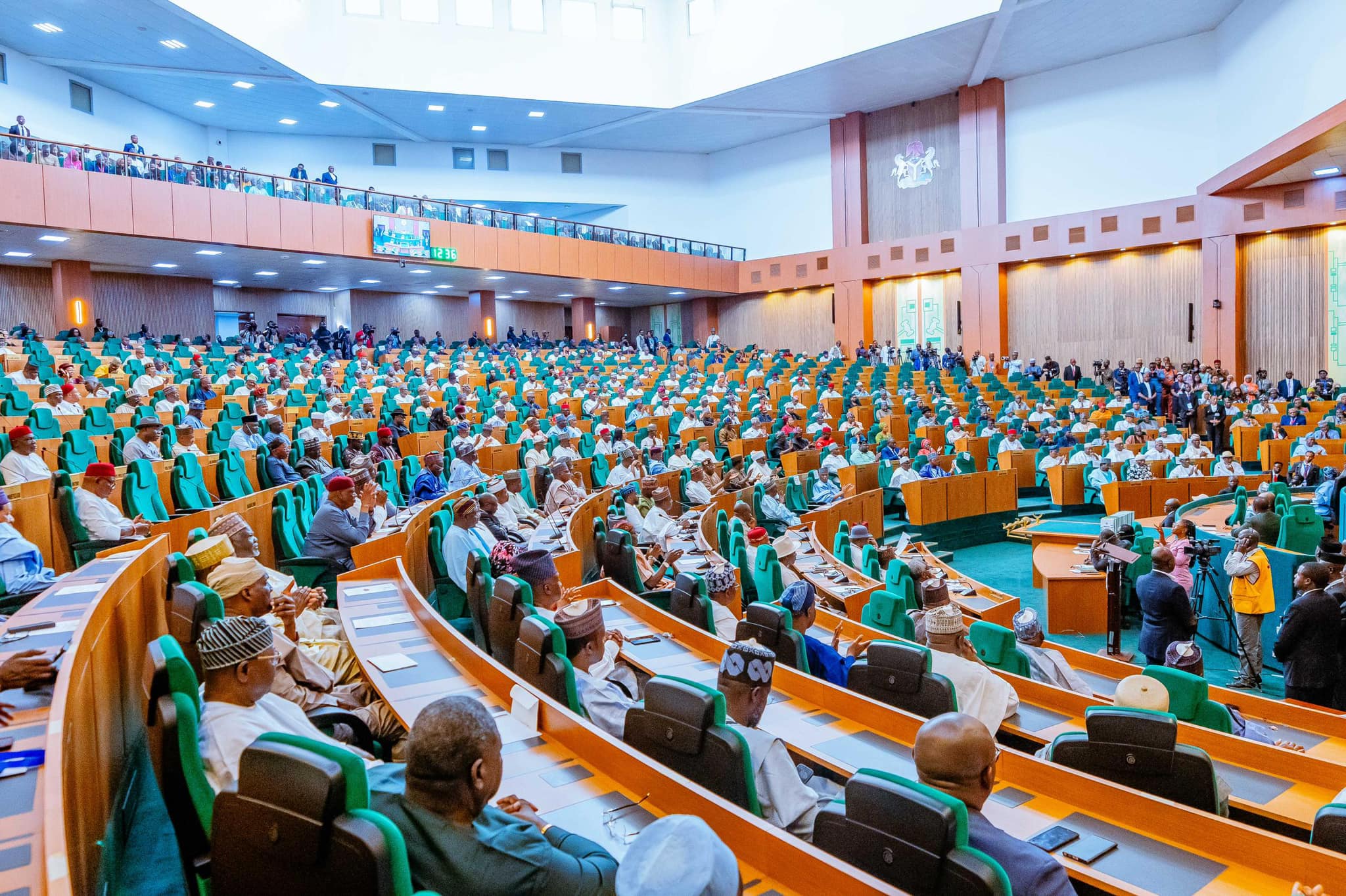
The House of Representatives has decided to summon officials from the National Agency for Food and Drug Administration and Control (NAFDAC), the Nigeria Police Force, and the State Security Service (SSS). They want to know what actions are being taken to stop the spread of fake and possibly harmful drugs and drinks in Nigeria.
This decision came after David Agada (APC, Benue State) raised a motion of urgent public importance during Wednesday’s session.
Mr Agada expressed worries about the reported sale and use of an unregistered herbal medicine in his area. This product has allegedly caused the deaths of four people and left 11 others sick.
In his motion, he asked the House to step in to prevent more deaths.
He explained that on 31 October, three men named Muhammad Adamu and Musa Kala, both from Sokoto State, and Muhammad Sule from Bauchi State, sold a herbal product to people in his constituency.
The sellers claimed that the product could cure typhoid fever, waist pain, and other health issues.
Mr Agada reported that many residents bought and used the product but developed serious symptoms within hours. Some had to rush to different hospitals for emergency treatment.
He named the four people who died: Awugo Oyije, who passed away on 2 November; James Onma, who died on 4 November after being referred for further treatment; Ode Ogah, who died on 5 November; and Agi Edugbeke, who died on 11 November.
The lawmaker also mentioned 11 others who were receiving medical care. They include Otumala Ochele, Binta Sule, Onu Oboh, Adoga Onu, Upa James, Igbo Pius, Ochele Genesis, Otumala Amos, Uwa Baku, Ate Okpune, and Roman Ehile.
Two of those affected were referred to hospitals in Makurdi, the capital of Benue State.
Mr Agada warned that more people might be at risk because some who took the product might not have been identified or could be getting treatment in unregistered health facilities.
He questioned the product's ingredients, source, manufacturing conditions, registration, dosage, and possible side effects, stating that none of these had been verified independently.
Mr Agada called this situation a serious public health issue needing urgent action from relevant authorities. He urged them to investigate the deaths, find those responsible, and stop further exposure to the suspected product.
Debate
During the debate, House Leader Julius Ihonvbere (APC, Edo) said that the issue of counterfeit drugs and drinks has become too widespread for NAFDAC to manage with its current team.
He pointed out that NAFDAC has about 2,000 staff, suggesting that it needs at least 10,000 workers to effectively carry out its regulatory duties across Nigeria.
“NAFDAC does not have a presence everywhere; it is not in my village in Edo State,” he said.
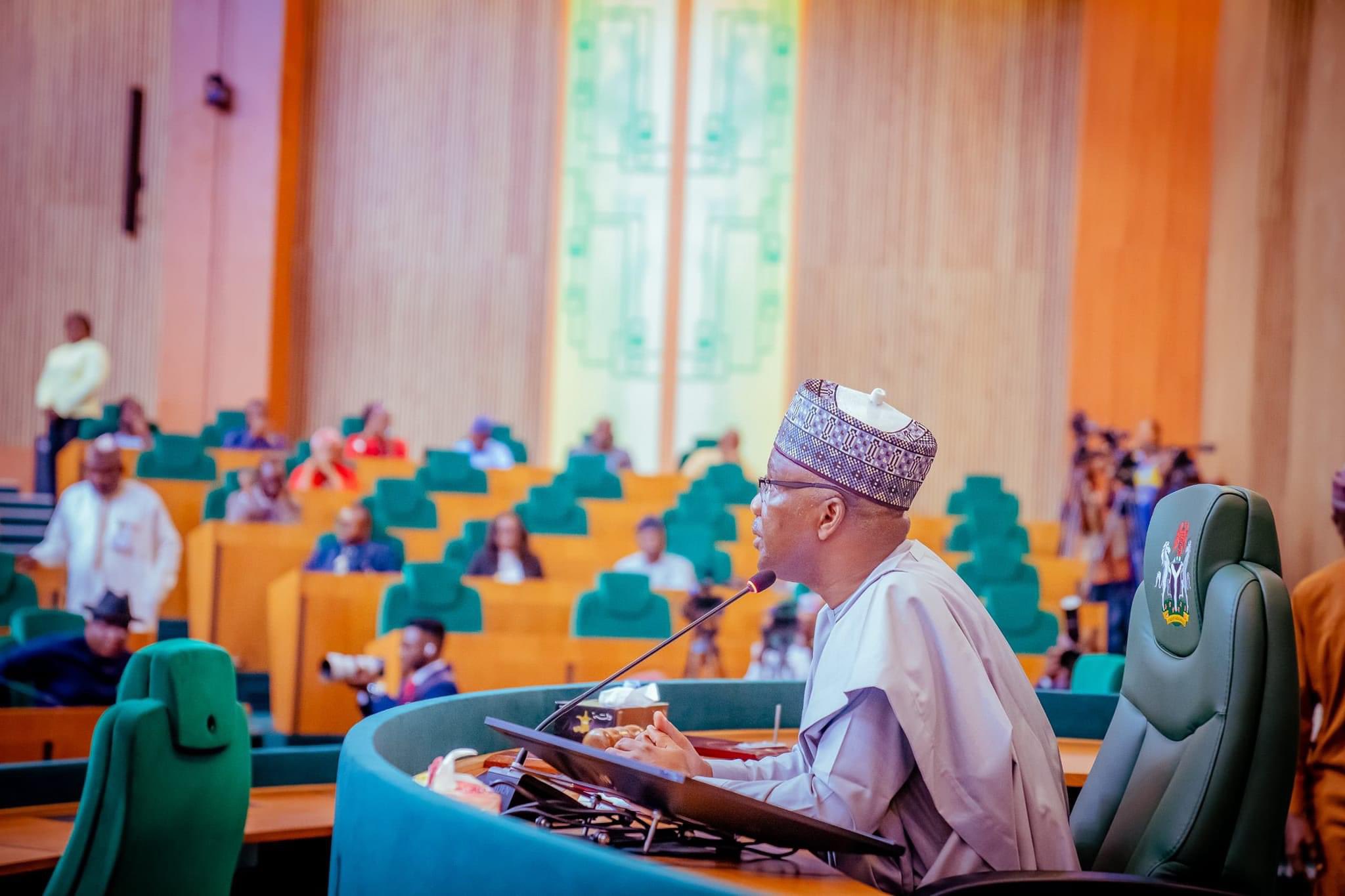
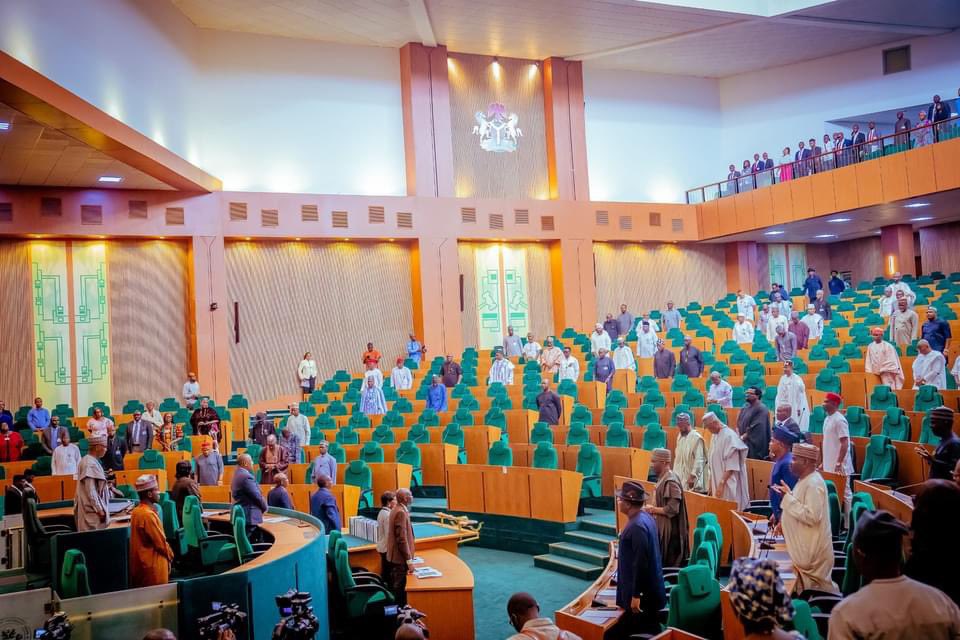

Mr Ihonvbere called for a national response, warning that fake drugs and drinks could lead to more deaths if the authorities do not act quickly.
He also suggested that the House should recommend harsh penalties, including life imprisonment or the death penalty, for anyone found guilty of making and selling dangerous products.
Ali Shettima (APC, Yobe) also pushed for a nationwide investigation. He said the House should not limit its response to the case in Benue State.
He called for NAFDAC to increase its oversight of herbal medicine producers and for laws to punish those found guilty of selling fake products.
Fatima Talba (APC, Yobe State) cautioned against focusing only on stopping people from buying unregulated herbal medicine without addressing the reasons why people want these products.
She noted that many Nigerians turn to these products because they cannot access affordable and reliable alternatives. She added that concerns about fake medicines also apply to standard healthcare facilities.
“Some of the people who buy from them do not have any other place to go to. It is not that these people are forced to buy these products because even in the hospitals, there are fake drugs.
“We cannot tell these people not to buy from these fake herbal drug vendors because we have not given them alternatives,” Mrs Talba said.
Peter Uzokwe (NDC, Anambra) suggested holding market leaders responsible for selling counterfeit drugs.
He proposed that leaders of markets where fake medicines are sold should be removed, arguing that this would encourage market leadership to monitor traders and stop the spread of unsafe products.
“Let us make it a duty that in any market where fake drugs are made or sold, we will remove the executives. If we do this, you will see that those executives will act as a task force,” he said.
Ismaila Haruna, who represents Toro Federal Constituency of Bauchi State, called for an investigation into deaths linked to sexual performance-enhancing drugs.
He questioned if current regulations were effective, saying the issue is mainly about enforcement.
“There are laws guiding the regulation of herbal medicine. What is left is enforcement. Is NAFDAC doing its job?” he asked.
Mr Haruna also called for an investigation into reports of men dying in hotels, suggesting links to sexual enhancement products should be looked into.
After discussions, the House agreed to invite NAFDAC, the Nigeria Police Force, and the SSS to update its relevant committees on their efforts to investigate and deal with fake herbal medicines and drinks across Nigeria.



Drop your comment
No comments yet — be the first to drop the gist 👇