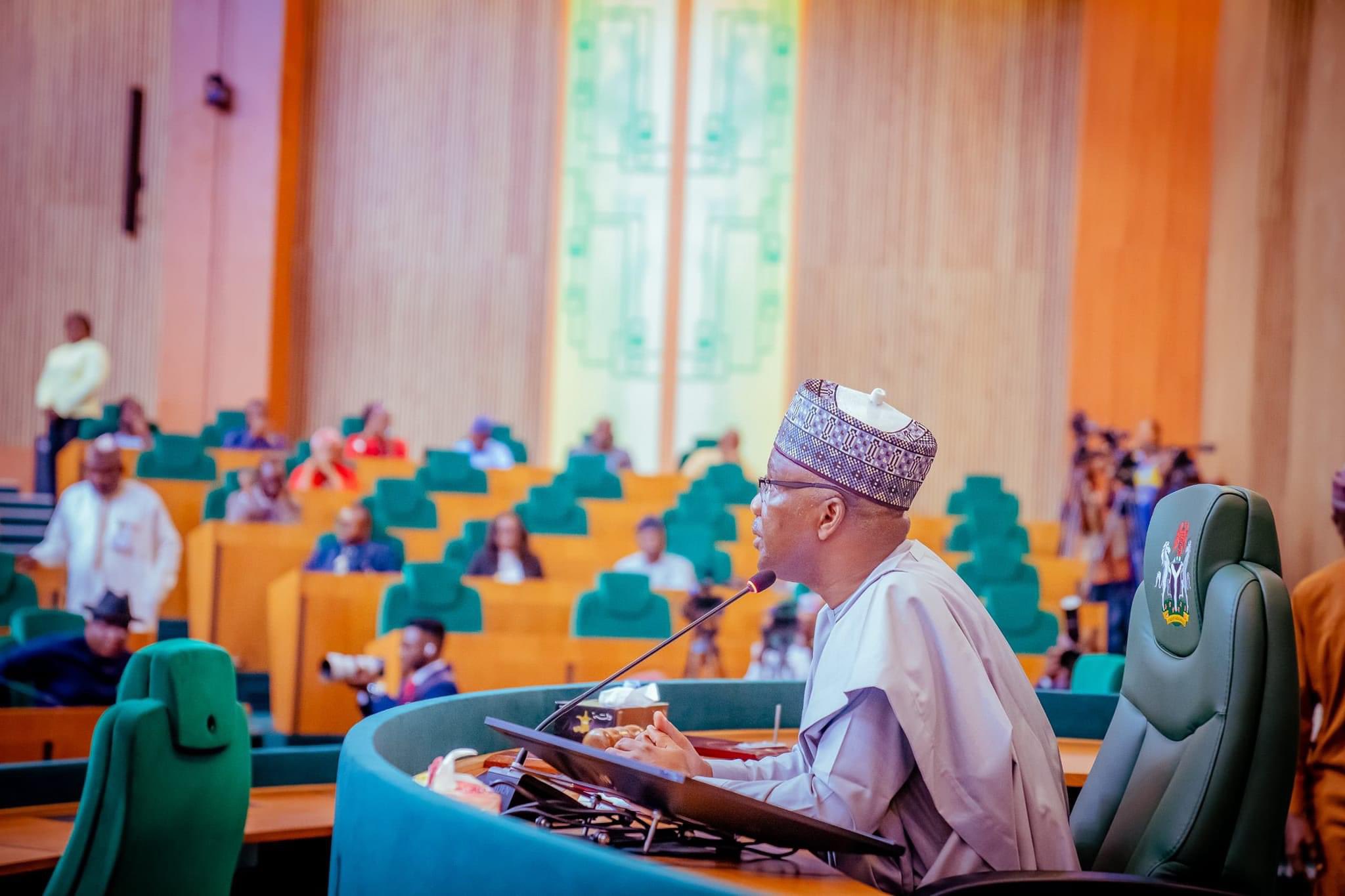
The House of Representatives has invited five government agencies to appear before its Sub-Committee on Public Assets on 2 November. This is part of an investigation into how Nigeria manages seized, forfeited, and recovered assets.
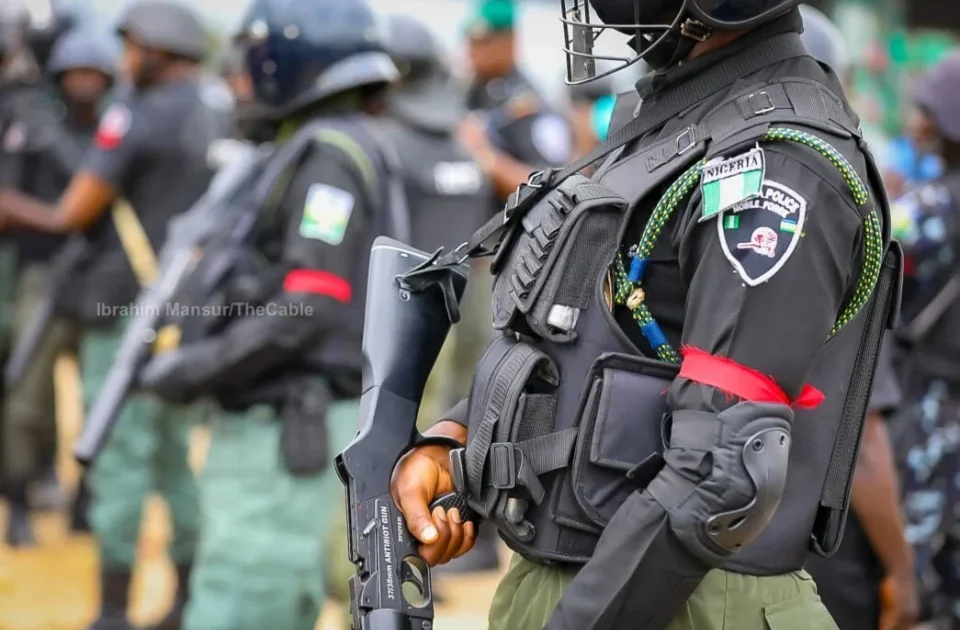
The agencies include the Nigerian Navy, Nigeria Police Force, Nigeria Customs Service, Nigeria Immigration Service, and the Nigerian Midstream and Downstream Petroleum Regulatory Authority (NMDPRA).
The committee wants to create a clear record of the recovered assets held by government bodies. They also aim to set up a digital registry and find out where the current systems for documenting and managing these assets need improvement.
Ibe Osonwa, the chairman of the sub-committee and a representative for Arochukwu/Ohafia Federal Constituency in Abia State, shared the date during the panel’s first meeting in Abuja.
Mr Osonwa said this investigation is necessary due to ongoing worries about transparency and coordination among the government agencies. He pointed out issues with accountability in handling assets recovered through law enforcement and other official processes.
“Across various administrations, questions have persisted regarding transparency, coordination, and the integrity of processes governing assets seized or forfeited through anti-corruption efforts, criminal justice actions, and administrative enforcement,” he stated.
He added that these concerns are more than just about procedures. They affect public trust, the credibility of institutions, and how well Nigeria’s anti-corruption efforts work.
“These concerns are not merely technical; they strike at the heart of public trust, institutional credibility, and the effectiveness of Nigeria’s anti-corruption architecture,” he explained.
The sub-committee has been tasked to carry out a detailed audit. They will create an accurate record of assets that have been seized, forfeited, or recovered by government institutions.
This process should clarify the status of the assets, who is responsible for them, and how they are eventually sold or used for public benefit.
Mr Osonwa highlighted the proposed digital registry as a major part of the investigation. He said it would centralise asset records, improve sharing of information among agencies, and fix issues with current documentation.

The registry would help agencies track assets from when they are seized through to their final disposal or transfer.
The committee plans to look at existing accountability measures and suggest reforms to make asset management practices better aligned with laws and international standards.
“The sub-committee has the opportunity to recommend reforms that will close long-standing loopholes, modernise asset management systems, and reinforce Nigeria’s commitment to transparency and responsible stewardship,” Mr Osonwa said.
He said the main goal is to make sure that assets recovered through legal means are managed properly and used to benefit the public.
“Our work can help ensure that recovered assets truly serve the public interest, whether through restitution, reinvestment, or national development priorities,” he added.
Mr Osonwa officially set 2 November as the date for the agencies to appear after a motion moved by Omosede Igbinedion and backed by other members of the sub-committee.
“We expect all these agencies: Nigerian Navy, Nigeria Customs Service, Nigeria Immigration Service, Nigeria Police, and NMDPRA to be here on the 2nd of November,” he said.
The agencies will need to provide details about their roles in seizing, recovering, keeping, and managing assets. They will also explain how they document and account for these properties.
Mr Osonwa urged the sub-committee members to take this task seriously and responsibly. He is confident that the investigation will lead to suggestions that boost transparency, improve coordination among government bodies, and encourage accountability in managing recovered assets.
Drop your comment
No comments yet — be the first to drop the gist 👇