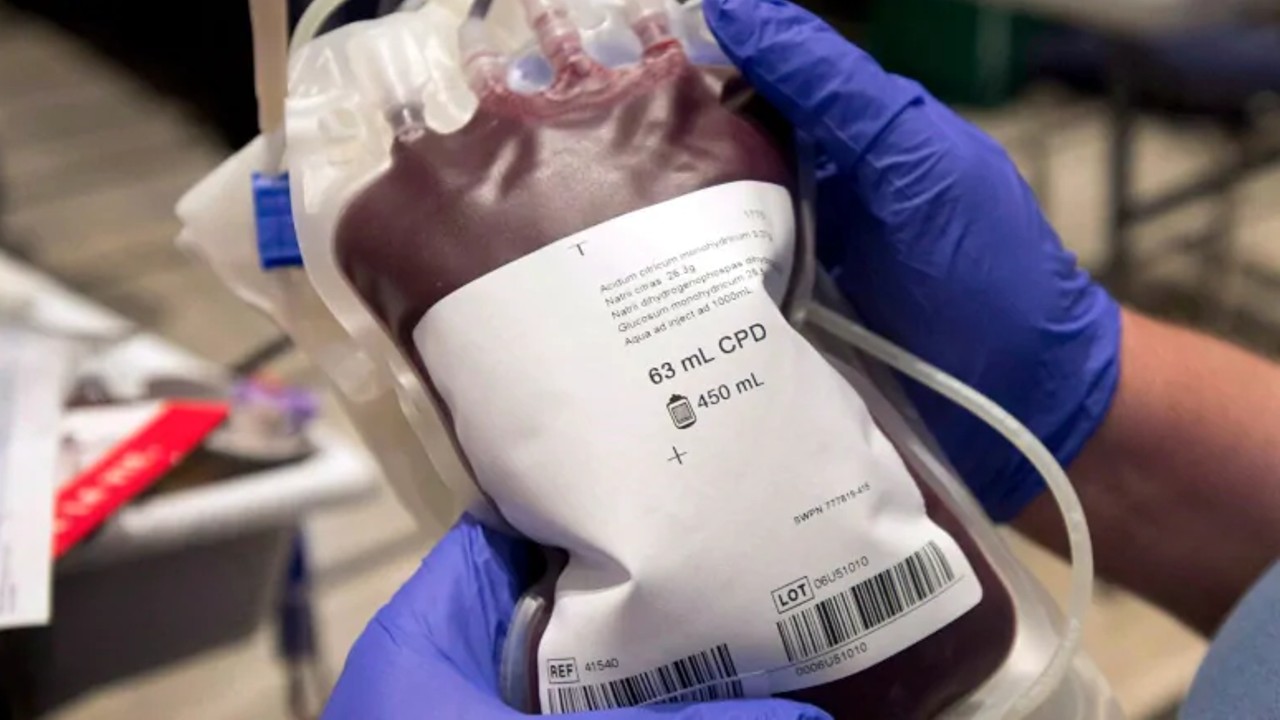
Blood transfusion can save lives. This is especially true in emergencies like severe blood loss, childbirth issues, surgeries, and serious health problems.
But if donated blood is not properly tested for compatibility, it can lead to serious complications. What should help a patient might instead put them at risk.
While knowing a donor's blood group is important, medical lab experts say it is not enough to ensure the blood is safe for the person receiving it.
Adedoye David and Olaiya Oluwatoba, medical laboratory scientists, told PT HEALTH WATCH that donated blood needs more tests. These tests include crossmatching and checking for infections that can be passed on through transfusion.
The scientists explained that blood grouping only tells a person’s ABO and Rhesus (Rh) blood types. It does not confirm if the donor and recipient's blood can mix safely.
Crossmatching tests both the donor's and recipient’s blood to see if any reactions might happen. These reactions can destroy red blood cells, leading to serious problems during transfusion.
The experts also warned against thinking that blood group O is safe for everyone. Though group O blood is often used in emergencies when the patient’s blood type is unknown, some group O donations might have high levels of anti-A and anti-B antibodies. This can cause problems in recipients.
Screening for Infections
The scientists pointed out that hepatitis B, hepatitis C, HIV (1 and 2), and syphilis are infections that must be checked before any donated blood is used.
They said that poor screening can turn hospitals and blood banks into places where infections spread to sick patients. Some patients may already be weak due to their health issues.
They mentioned enzyme-linked immunosorbent assay (ELISA) as a good method for screening but noted that some infections can go undetected during the window period. This is the time when an infection is present but may not show up in tests yet.
Even though ELISA is a common method, it does not completely remove this risk. Nucleic acid testing (NAT), where available, can find some infections sooner by looking for viral genetic material.


Risks of Incompatible or Unsafe Blood
The scientists explained that one major risk of giving incompatible blood is a haemolytic transfusion reaction. This happens when the recipient’s immune system attacks the received red blood cells.
They mentioned acute and delayed haemolytic reactions as possible issues. Acute reactions can show up suddenly with fever, chills, low blood pressure, and blood in urine. Delayed reactions might happen days or weeks after the transfusion.
Infections like hepatitis B, hepatitis C, HIV, and syphilis can also be passed through blood that has not been properly screened.
Though these problems can happen even with regular checks, the scientists stressed the need to follow lab procedures and quality control to lower risks.
Maintaining Standards in Blood Banks
Regarding blood bank operations, the scientists referred to the ISO 15189 standards. These define the quality and skill needed for medical labs.
They also mentioned the importance of external quality assessments. This is where labs’ testing abilities are checked, sometimes with help from reference labs.
They recognized that hospitals may run low on blood supplies. But they said this should not lead to skipping important safety steps. If blood is released before all tests are done, it must follow proper procedures with the right approvals and documentation.
The scientists added that medical lab experts are responsible for several tasks. These include determining blood groups, conducting compatibility tests, checking for infections, monitoring blood levels, and keeping records of blood bank actions.
They encouraged blood donors and patients’ families to ask about blood bank procedures. This includes questions about who can donate, health conditions, and infection checks. They believe that better communication among lab professionals, donors, and families will help everyone understand blood safety better and trust transfusion services.




Drop your comment
No comments yet — be the first to drop the gist 👇