Fatima Abbas, the wife of the Speaker of the House of Representatives, has called on the 10th National Assembly to pass the Constitution Alteration Bill. This bill aims to create special reserved seats for women. She described this as an important change needed to improve Nigeria’s democracy and ensure everyone is included in governance.
Mrs Abbas made the request on Wednesday during the National Dialogue on the Electoral College Model for the Special Seats Bill. This event was part of the 2026 National Assembly Open Week activities in Abuja.
She explained that this proposed amendment would tackle the ongoing issue of women being underrepresented in political positions. It would also help strengthen democratic institutions by allowing more people to take part in governance.
According to her, democracy works best when everyone has a chance to be involved in decision-making. "The Special Seats Bill seeks to address the persistent underrepresentation of women and other marginalised groups in elective offices, ensuring that our democratic institutions better reflect the diversity of the Nigerian people. A stronger democracy is one in which every voice has a meaningful opportunity to be heard," she said.
Mrs Tajudeen said the Open Week initiative showed the House of Representatives’ commitment to transparency, engaging with citizens, and being accountable. She urged lawmakers, civil society groups, development partners, and others to keep pushing for the bill until it becomes law.
The speaker’s wife also praised President Bola Tinubu for his efforts in institutional reforms through the Renewed Hope Agenda. She thanked the First Lady, Oluremi Tinubu, for her work in promoting women’s empowerment and inclusion through the Renewed Hope Initiative.
Mrs Abbas highlighted the work of the House of Representatives Spouses Association (HORSA), which she leads. She noted that the group is actively supporting greater female representation in governance across the country.
Clement Nwankwo, the Executive Director of the Policy and Legal Advocacy Centre (PLAC), also spoke at the event. He called the proposed law the most significant bill before the current National Assembly. He pointed out that while the legislature has made progress with constitutional amendments and other reforms, none have the same impact as increasing women’s political presence.
Mr Nwankwo warned that if the bill does not pass, it would raise questions about the democratic legacy of the 10th National Assembly. "This is the most important bill before this National Assembly. It is not the budget bill or the tax reform bill. The Special Seats for Women Bill is the greatest legacy this National Assembly can leave behind. If this bill does not pass, the legacy of the 10th National Assembly will be seriously questioned," he said.
He urged the leaders of both chambers to do more to get support for the bill. He also thanked development partners like the European Union and the Inter-Parliamentary Union for backing efforts to improve women’s political participation.
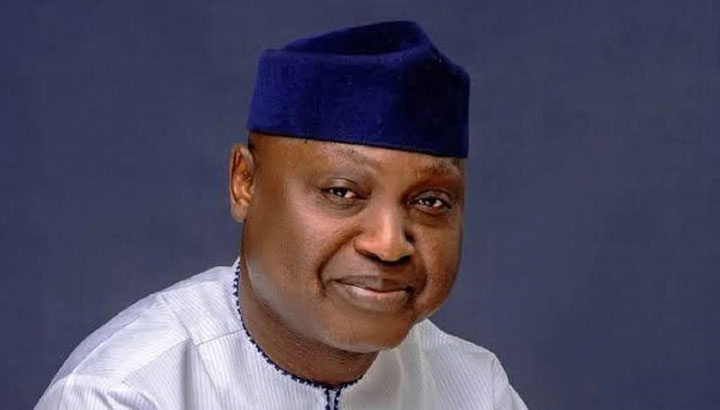
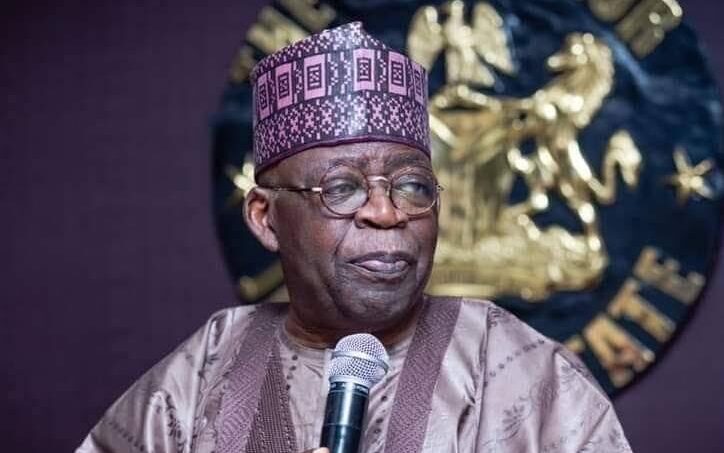
The dialogue included renewed demands from women leaders, lawmakers, and civil society groups for constitutional measures to enhance female representation in Nigeria’s political scene. Kafilat Ogbara, Chairperson of the House Committee on Women Affairs and Social Development, said women currently hold only about four percent of seats in the National Assembly. She called this the lowest level of representation in Africa.
She noted that recent party primaries showed serious challenges for female politicians, with many women lawmakers unable to get their party's nominations. "Women in Nigeria have been sidelined for far too long. The Reserved Seats for Women Bill deserves urgent attention. Despite the fact that many of the recent primaries were largely predetermined, women were still not adequately accommodated," she said.
Mrs Ogbara expressed hope that the National Assembly leadership would act on its promise to promote gender inclusion. She said the proposed reserved seats would give more chances for women to join governance and mentioned the Electoral College Model as one way to implement this reform.
Patricia Etteh, a former Speaker of the House of Representatives, also supported the proposal. She called for more political backing for women and the need for ongoing civic education to encourage more people to participate in politics.
Julius Ihonvbere, the House Leader, represented the Speaker of the House, Abbas Tajudeen. He confirmed the leadership’s commitment to passing the bill. Babajimi Benson, the Chairman of the House Committee on Defence, assured everyone that lawmakers would work together across party lines to get the bill approved.
Women’s groups, development partners, and deputy governors from Rivers and Kaduna states also sent goodwill messages supporting the proposed constitutional amendment. The Constitution Alteration Bill aims to create extra seats for women in the National Assembly and state Houses of Assembly as a temporary measure.
The proposal includes one additional Senate seat and one House of Representatives seat for women in each state and the Federal Capital Territory. Each state House of Assembly would also gain one extra seat for women from each of the state’s three senatorial districts.
These reserved seats are planned to last for 16 years, after which the situation will be reviewed. The bill aims to boost women’s representation in elected offices without disturbing existing constituencies or removing current seats.
Drop your comment
No comments yet — be the first to drop the gist 👇