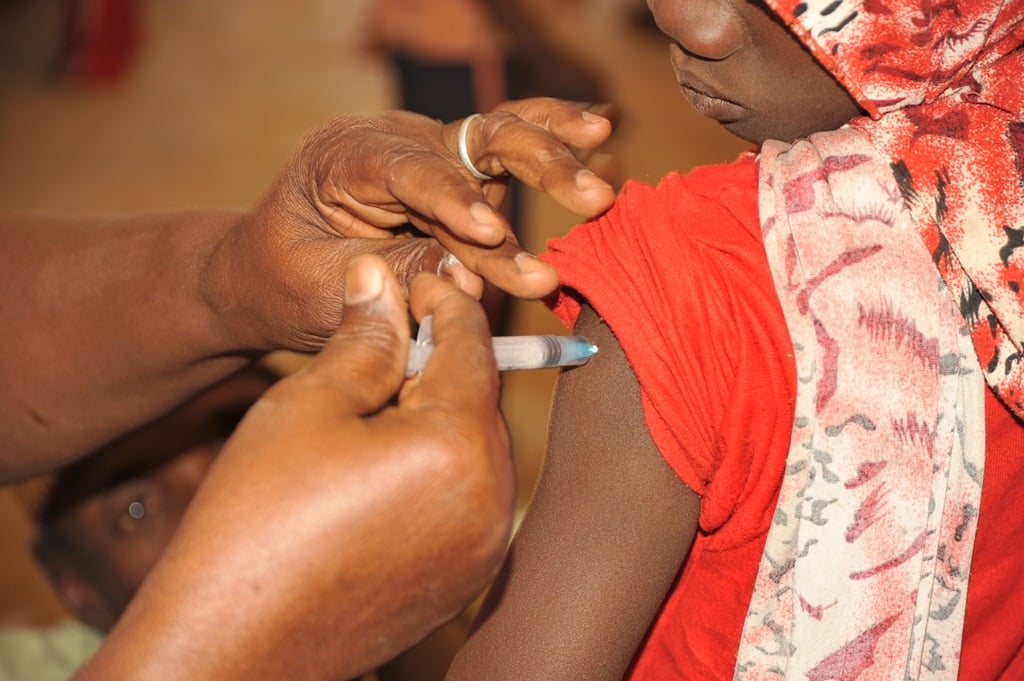
The Federal Capital Territory Primary Health Care Board is set to vaccinate over 1.5 million children during the 2026 Maternal, Newborn and Child Health Week. This event will take place from June 3 to June 7.
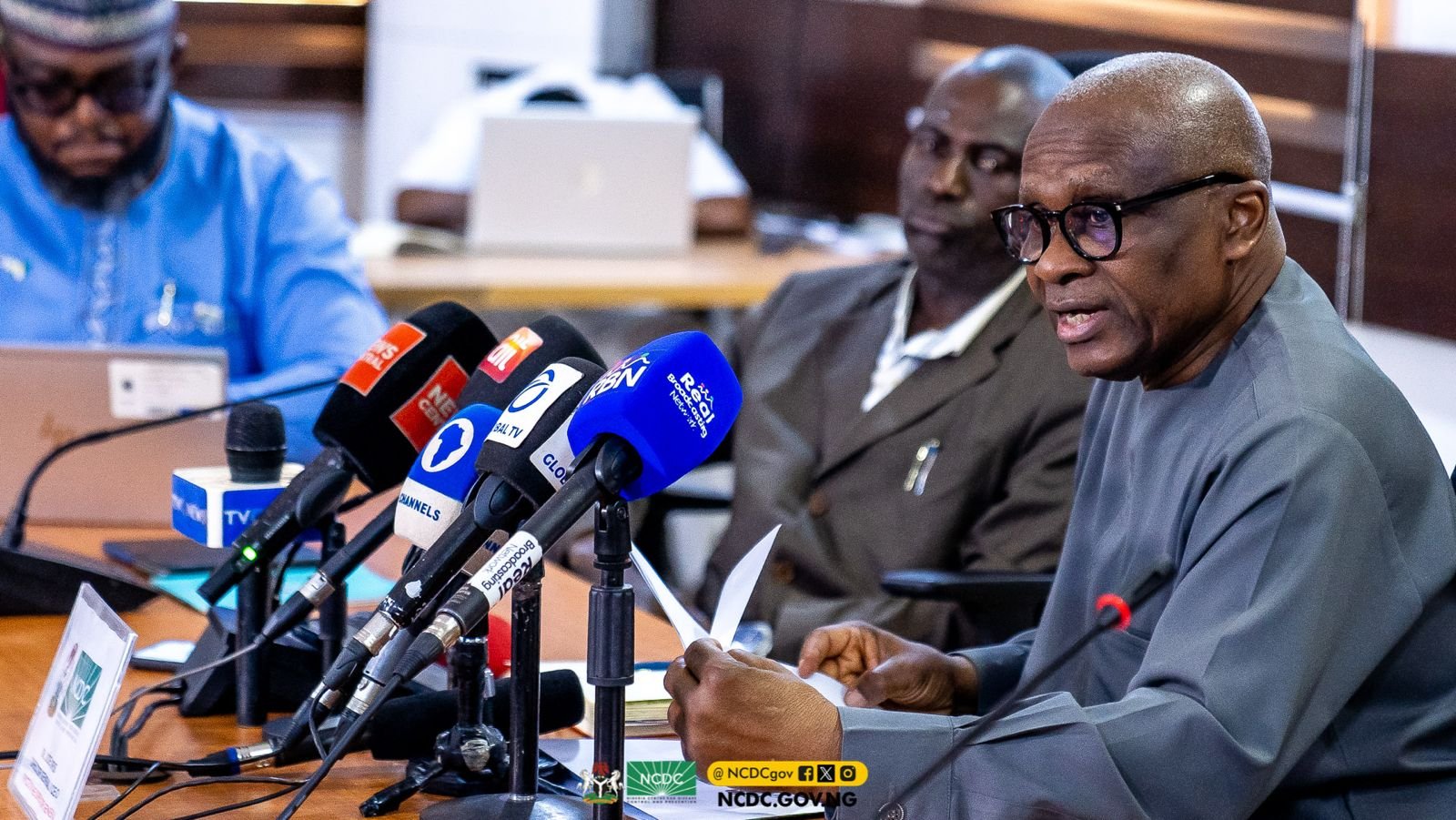
Adedolapo Fasawe, the Mandate Secretary for FCT Health Services and Environment Secretariat, shared this information at a media briefing. She was represented by Okoli Nicholas, the acting director of Primary Health Care at the board.
Fasawe explained that the MNCH Week is a biannual program aimed at providing vital healthcare services to families. The initiative will boost routine immunisation services, give Vitamin A to children aged six to 59 months, and improve child survival efforts.
Children between 12 and 59 months will get deworming medication. Health workers will also check for malnutrition and give advice on feeding and hygiene. Pregnant women will benefit from antenatal and postnatal care to improve health outcomes for mothers and newborns in the FCT.
“We will focus on iron-folate supplementation, malaria prevention during pregnancy when necessary, breastfeeding and newborn care advice, and family planning information and services,” she added.
Fasawe stressed that the media has an important part to play in making sure families get correct information about the program. She wants people to know where and when the services will be available.
“The media’s role in this effort is crucial. You help families know when and where to go. You build trust by sharing clear, verified information.
“You counter rumours with facts, and you highlight the hard work of our frontline health workers while holding us accountable,” she stated.
Fasawe assured that all services during the exercise will be free for everyone in the FCT and nearby areas. The program will run at all Primary Health Care Centres across the six area councils and also at outreach points and in hard-to-reach areas through mobile teams.
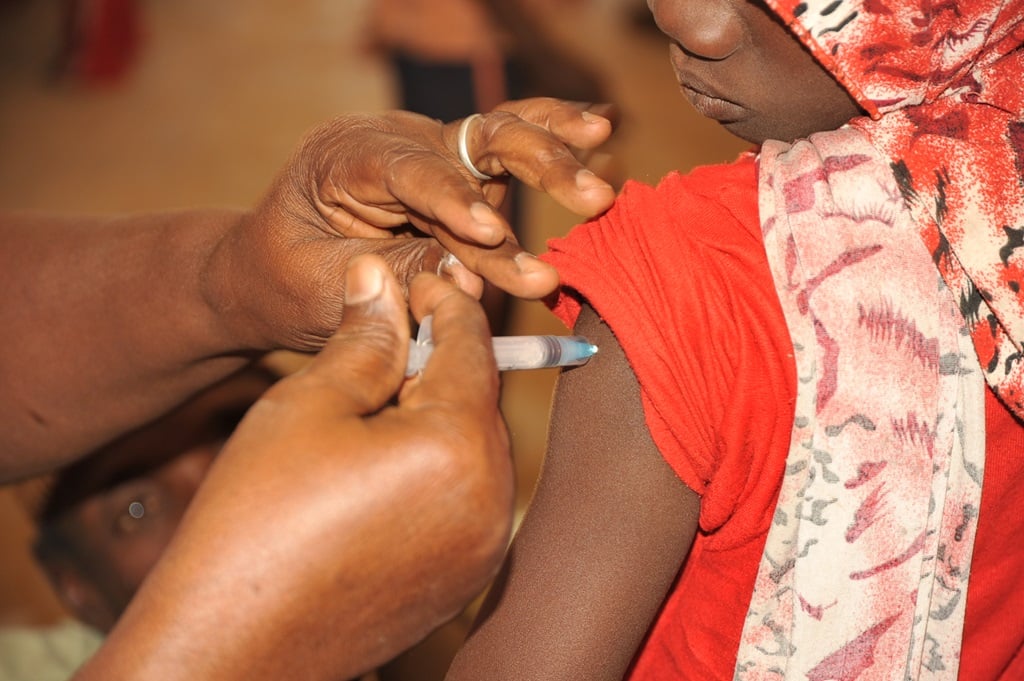


“Parents should bring their child’s health card. If they don’t have one, we will give them one at the site. Zero-dose and defaulting children are welcome; no child will be turned away.”
She urged media professionals to spread the word through community radio, newspapers, social media, and programs that reach underserved groups.
“Our appeal to you is to take these messages beyond city centres, into community radio, local newspapers, and social media groups.
“And through programs that reach informal settlements, rural communities, and nomadic populations,” Fasawe said.
Chinyere Ekwueme, the state nutrition officer for the FCT, mentioned that mobile medical teams will visit schools, churches, and mosques to ensure eligible children get vaccinated.
She noted that this outreach strategy aims to improve coverage and assist families who might find it hard to access health facilities during the exercise.
Umeh Chinyere, the state health education officer at FPHCB, also asked journalists to help build public trust in the board’s healthcare programs.
She believes accurate reporting will encourage more people to participate and help clear up any misunderstandings that might stop parents from seeking immunisation services.


Drop your comment
No comments yet — be the first to drop the gist 👇