
In the Name of Allah, the Most Gracious, the Most Merciful.
All praise is for Allah, the Lord of all worlds, the One who gives power to whoever He wants and takes it from whoever He wills. May peace and blessings be upon our Noble Prophet Muhammad, his family, his companions, and all who follow the path of justice until the Day of Judgment. To continue:
Dear brothers and sisters! Fear Allah as He should be feared, and remember that every person is a guardian, and every guardian will stand alone before the King of Kings to account for their people. Leadership is not about privilege or glory; it is a heavy trust that makes mountains tremble.
Look around our beloved country today. Hear the murmurs in the markets, the sighs in homes, and the tears in the quiet of the night. When people lose trust in their leaders, a wise Muslim does not simply mirror their anger, nor does a fair leader ignore their pain. We must see through truth, compassion, and accountability.
Respected brothers and sisters! When the price of bread goes beyond what a worker can afford, and travel costs consume the earnings of the poor, the heart of the citizen becomes heavy. Across Nigeria, frustration has risen after the removal of the fuel subsidy and the Naira floating policy. These changes have led to high inflation, increased transport costs, and a drop in purchasing power.
Remember the story of Umar Ibn al-Khattab (may Allah be pleased with him), who walked the streets of Madinah at night, crying because he feared even a mule could stumble on an unpaved road, and Allah would question him about it. When policies hurt ordinary families directly, the gap between government reports and the daily hunger of the people breeds deep resentment.
Allah reminds us in His Noble Book of two key blessings for any society: that He feeds them in times of hunger and keeps them safe from fear (Qur’an, 106:4). Without safety, wealth means nothing, and life becomes restless. Continuous banditry, kidnappings, and violence on roads, farms, and schools have left many communities feeling vulnerable and ignored. When farmers cannot work their land and children cannot walk safely to school, frustration turns into despair.
In the teachings of the Prophet, the best leaders are those who love their people and earn their love in return, while the worst are those who harbor hatred. Public anger grows when citizens feel that leaders are out of touch, or when questions about spending, borrowing, and aid distribution are met with indifference instead of genuine concern.
Yet, dear servants of Allah, wisdom calls for fairness in our judgment. Those who support President Bola Ahmed Tinubu’s government argue the nation was on the edge of financial collapse, burdened by unsustainable subsidies, currency issues, and huge debt obligations. Supporters point to ongoing infrastructure projects, local government independence, the Nigerian Education Loan Fund (NELFUND), and higher state allocations as painful but necessary steps for future stability.
To those in power, our advice is clear: listen to the cries of the weak, protect the public funds as you would protect your own soul from punishment, and ensure that reforms benefit the hungry before hope fades away.
And to the citizens, we remind you: guard your hearts against despair, hold onto patience and good actions, speak the truth with respect, and turn to Allah in genuine prayer, because hearts and nations are in the hands of Allah, and He turns them as He wishes.
Dear servants of Allah! Take a moment in the silence of your hearts and think about a lasting truth. Power in this world is not a badge of honor; it is a heavy, serious trust. On the Day when neither wealth nor political support will help anyone, every leader will stand alone before the King of Kings to answer for the hunger of the widow, the tears of the orphan, and the blood shed on Earth.
Today, in the vast lands of Northern Nigeria, there is a deep pain felt in the Mosques, markets, and homes of the tired. It is not just political noise; it is the cry of people who feel the weight of broken promises and ignored suffering. When we look at the reasons for the strong discontent in the North towards President Bola Ahmed Tinubu's administration, we see a reflection of the core principles of Islamic governance, principles that, when overlooked, break the bond between the leader and the people.
The protection of human life is the greatest duty of leadership. The Prophet Muhammad (Peace be upon him) said that the destruction of the whole world is lighter to Allah than the unlawful killing of one innocent person.
Yet, in the North-West and North-Central regions, communities live under the fear of banditry, kidnappings, and ongoing violence. Farms are left untended, travelers pray before getting into vehicles, and families spend their last savings to pay ransoms. To the grieving mother in Zamfara, Katsina, Sokoto, Kebbi, Niger, Kaduna, Kogi, Kwara, Plateau, Nasarawa, or Benue, a government that seems far from her pain loses its authority.
Allah says in the Noble Qur’an: “Let them worship the Lord of this House, Who has fed them against hunger and made them safe from fear.” [Qur’an, 106:3, 4]
Remember, safety and food are the twin pillars of human dignity.
The sudden removal of fuel subsidies, the floating of the Naira, rising electricity costs, and increasing taxes have pushed millions of Northern families from poverty to mere survival. In a region already struggling with economic challenges, inflation has made basic food items unaffordable. Islamic scholars and Northern elders have warned that policies focusing on state revenue over the immediate needs of the people go against the spirit of mercy taught by the Prophet Muhammad (Peace be upon him), who prayed: “O Allah, whoever is given authority over my Ummah and is harsh, be harsh with him; and whoever is gentle with them, be gentle with him.”
And Allah commands: “Indeed, Allah orders justice, good conduct, and giving to relatives, and forbids immorality, bad conduct, and oppression.” [Qur’an, 16:90]
Many Northerners who voted over 63 percent for this administration now feel sidelined in key federal jobs, major projects, and national decisions. When people feel fairness is missing and that state wealth and power are not shared, resentment replaces loyalty. Justice is the foundation of stability; without it, even the strongest political alliances collapse like sand.
Respected people of the North, and O Leaders! Do not let your anger turn into hatred that blinds you to your own accountability before Allah. Let this challenge be a wake-up call.
● To those in Authority
Fear the prayers of the oppressed, for there is no barrier between them and Allah. Return to compassion, listen to the cries of the needy, protect the land, and lighten the burdens on the weak. Remember that thrones are temporary, while the grave is certain.
● To the Citizens and Communities
Channel your pain into positive actions, unity, and sincere prayers. Do not let political bitterness divide you or disturb the peace of your communities. Hold your leaders, federal, state, and local, accountable with wisdom, courage, and truth, while returning to Allah in repentance and supporting your struggling neighbors.
Our dear leader, Your Excellency, President Bola Ahmed Tinubu, leadership is not a trophy to celebrate or a privilege to enjoy. It is a heavy burden that the heavens, the earth, and the mountains refused to carry out of fear of failing Allah’s trust, yet man accepted it.
The Prophet Muhammad (Peace be upon him) warned clearly: “There is no governor whom Allah puts in charge of a people, and he dies while deceiving them, except that Allah forbids Paradise for him.”
Our beloved leader! Know that every policy made, every resource allocated, and every cry of a hungry citizen is recorded precisely by the Angels of the Most High.
Think about the legacy of Umar Ibn Al-Khattab (may Allah be pleased with him), who ruled an empire across continents but trembled at the thought of a single mule stumbling on an unpaved road in Iraq, fearing Allah would ask him why he did not fix it.
During the Year of Ashes, when famine struck, Umar vowed he would not eat butter, meat, or fine food until the poorest citizen had eaten. He would feel hunger in his stomach and tell it: “Rumble as much as you want, for you will not taste meat until the children of the Muslims are satisfied.”
True authority is not measured by a grand palace but by the peace in the homes of the people.
Remember, time flows quickly, and the end of political power comes faster than we can imagine. Before the trumpet of accountability sounds and before our deeds are sealed, let these four truths guide our actions:
1. Heal the Wounds of the Vulnerable
The prayers of the oppressed rise high with no barrier between them and Allah. Lighten the economic struggles of the people, ensure food reaches the poor, and let mercy lead every reform.
2. Purify the Circle of Counsel
A leader is only as good as the advisors around them. Surround your office with people of integrity who fear Allah more than losing their positions, those who will tell you hard truths instead of sweet lies.
3. Establish Uncompromising Justice
No nation thrives on partial fairness, and no throne lasts on oppression. Make sure the law protects the weak from the strong, and that public wealth is seen as sacred property belonging to over two hundred million people.
4. Remember the Grave While Sitting on the Throne
Every title, President, Commander-in-Chief, Excellency, will be taken away at the grave. Only two companions will enter that dark space: good deeds and the sincere prayers of the people you relieved from suffering.
Dear Nigerian Governors, O shepherds of the people, O leaders of the states across Nigeria, take a moment amidst the noise, the convoys, and the praise. Listen to your conscience and the truth of revelation before it is too late and your deeds are sealed.
Remember, power is a fleeting shadow. Today, your signature moves billions, your words open doors, and crowds bow before you. But look at those who sat in your place years ago. Where are their convoys now? Where are the sycophants who promised they could do no wrong? They now lie alone in the dark, narrow grave, stripped of titles, protection, and wealth.
Allah reminds us in the Glorious Qur’an: “Say, ‘O Allah, Owner of Sovereignty, You give sovereignty to whom You will and take it away from whom You will…’” [Qur’an, 3:26]
Your position is not a trophy; it is a test from the King of Kings.
Leadership is not a privilege; it is a heavy trust that even the heavens, the earth, and the mountains refused to carry out of fear of failing Allah Almighty.
The Prophet Muhammad (peace be upon him) warned: “Each of you is a shepherd and each of you is responsible for his flock. The leader over the people is a shepherd and is responsible for his flock…” [Sahih al-Bukhari]
When a mother in your state cannot afford medicine for her sick child because hospital funds were misused; when a youth turns to crime because schools are neglected; when a pensioner collapses in line after serving his state faithfully, their silent tears rise above the heavens. Between the cry of the oppressed and Allah, there is no barrier.
Umar Ibn al-Khattab (may Allah be pleased with him), who ruled a vast empire, feared standing before Allah, saying: “If a mule were to stumble in Iraq, I would fear that Allah would question me about it: ‘Why did you not pave the road for it, O Umar?’”
If Umar feared being questioned by Allah over a stumbling animal, what will be our excuse when human beings, created in the best form, stumble into poverty, hunger, and despair on broken roads and systems?
There is still breath in your lungs. There is still ink in your pen. Allah is At-Tawwab, The Ever-Accepting of Repentance, and His mercy covers all, if we turn back to Him sincerely and fix the wrongs we have done to His creation.
● Return What Belongs to the People
Public funds are a fire in the belly if taken unjustly. Cleanse your wealth and governance.
● Walk Among the Weak
Step away from the walls of government houses. Look into the eyes of the struggling widow, the unemployed graduate, and the hungry orphan. Let their reality soften your heart.
● Leave a Legacy of Light
Build schools that educate, hospitals that heal, and systems that uplift. Let your name be mentioned in the night prayers of grateful citizens, not cursed in their moments of pain.
On the Day of Judgment, there will be no aides to protect you, no lawyers to defend you, and no immunity to shield you. You will stand barefoot, naked, and alone before the Just Judge.
Choose today whether your governorship will be a path to Heaven or a heavy chain pulling you into regret. Fix your affairs, uphold justice, and fear the Day when you will return to Allah.

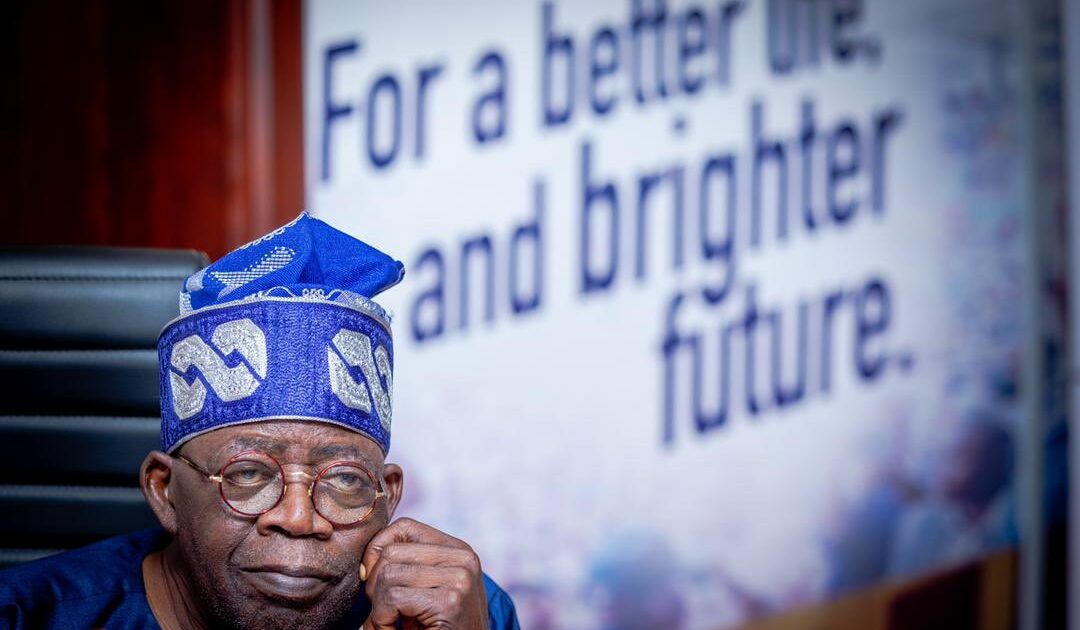
Dear brothers and sisters! Fear Allah as He ought to be feared, and know that every soul will stand alone before the King of Kings. There will be no titles, no entourages, no campaign banners, and no applause, only deeds weighed with absolute justice.
Today, in our streets, markets, and even during political events, like President Bola Ahmed Tinubu’s recent campaign, a sound rises above the speeches. It is not just political rivalry; it is the raw cry of hunger, poverty, and deep human suffering.
When an empty stomach speaks, its voice shakes the earth. When a father cannot feed his children, and a mother cries over an empty pot, their outcry is a warning that should touch every heart, especially those in power.
Authority is not a trophy; it is a heavy trust that will lead to regret on the Day of Judgment for anyone who fails to meet its rights.
When people raise their voices in distress, shouting BA MA YI during public events, wisdom requires that leaders and citizens look beyond political blame and listen to the core of the message.
When suffering drives people to cry out, those in power must tremble before Allah, rush to ease their burdens, and never ignore the pain of the masses.
Remember, the Prophet Muhammad (Peace be upon him) sought refuge in Allah from hunger, saying: “O Allah, I seek refuge in You from hunger, for it is the worst of companions.” [Sunan Abi Dawud]
Poverty tests the patience of believers and shows the mercy, or hardness, of those who have enough.
And Allah does not show mercy to those who do not show mercy to people. True strength in leadership is not shown by loud rallies or shifting blame, but by humility, urgent help, and true repentance to Allah Almighty.
To Those in Authority: Hear the cries from the crowd not as enemies, but as a message from Allah to change your ways before you meet Him. One genuine tear wiped from the face of an orphan, one hungry family fed through fair policies, and one act of true accountability will weigh heavier on your scale than all the cheers from political loyalists. Do not let pride close your ears to the cries of the poor.
To the Muslim Believers and all Citizens: Keep your dignity, faith, and moral values. While it is human to cry under economic pressure, do not let despair lead you to injustice, hatred, or destroy your communities. Turn your pain into sincere prayers, mutual support, and lawful, peaceful efforts for justice. Remember that true relief comes only from Allah. He says: “And whoever fears Allah, He will make for him a way out and provide for him from where he does not expect.” [Qur’an, 65:2, 3]
Dear brothers and sisters! Understand that the fall of thrones often starts not with swords, but with the cry of a hungry stomach.
In the divine design of this world, Allah has placed a bond between those who lead and those who are led. Leadership is not a crown; it is a heavy trust. When those in charge hoard wealth behind palace walls while the public struggles for crumbs, they invite Allah’s anger before the people’s outrage.
Scholars of the past taught a timeless truth: “Allah supports a just state even if it is non-Muslim, and He does not support an oppressive state even if it is Muslim.”
Respected brothers and sisters! Look at the psychological reality of hunger:
1. Hunger removes illusion
When a father cannot buy bread for his crying child, fear of the ruler’s prison disappears.
2. Poverty reveals corruption
A starving population sees the stark difference between their empty bowls and the lavish banquets of the elite.
3. Despair becomes a moral reckoning
When the basic right to live is denied, the silent patience of the people transforms into unstoppable action.
Consider the lessons Allah has preserved for us in history, reminders for those with understanding:
● The French Revolution (1789)
For years, a rich aristocracy feasted while countless people starved in the streets. When bread became too expensive, the old monarchy fell under the weight of its own neglect.
● The Russian Revolution (1917)
Years of rural poverty and wartime famine led to the end of imperial rule. The demand for “Peace, Land, and Bread” swept away an empire deaf to its people's suffering.
● The Arab Spring (2010, 2011)
In Tunisia and Egypt, rising food prices and high unemployment sparked a movement. When a young vendor lost his livelihood, his despair echoed the hunger of millions, bringing down long-standing regimes.
● The Sudanese Uprising (2018, 2019)
High inflation and lack of bread led ordinary citizens to peacefully protest. What started over the price of bread ended decades of rule.
● Sri Lanka (2022)
Economic mismanagement and severe shortages forced millions to rise against a political dynasty, leading to its collapse.
Dear Muslims, remember the wise words of Umar Ibn Abd al-Aziz, who ordered the state to feed the poor and clear debts, even scattering grain on mountaintops so no bird would go hungry in a Muslim land.
Let this reminder touch our hearts and awaken our conscience at every level of society.
Fear the day you will stand before Allah alone, without guards, titles, or wealth.
Your wealth is a test, not a trophy. The Prophet Muhammad (Peace be upon him) warned: “He is not a believer whose stomach is filled while his neighbor goes hungry.”
Share your food before it becomes evidence against you on the Day of Judgment.
Stay patient, honest, and conscious of Allah. Seek justice through good means, never through harming innocent lives or properties, and trust that Allah’s promise of help is near.
In leadership, sincere critics are not enemies, but a necessary protection against arrogance and injustice.
Islamic scholars and leaders have long said that accountability is a sacred trust, and accepting constructive feedback shows strength and humility before Allah Almighty.
Do not see those who point out your faults as enemies. Instead, see them as mirrors reflecting what you cannot see. The Prophet Muhammad (Peace be upon him) said: “The believer is the mirror of his brother.”
A mirror does not hate you for showing a mark on your face; it helps you clean yourself before meeting the King of Kings, Allah. Those who flatter you in your mistakes are your true enemies, leading you to destruction.
When Umar Ibn Al-Khattab (may Allah be pleased with him) stood before the people, he did not demand blind loyalty. Instead, he welcomed scrutiny. He said: “If you see any wrong in me, correct it.”
A citizen stood up and replied: “By Allah, if we see any wrong in you, we will correct it with our swords!”
Instead of punishing the man for treason, Umar raised his hands to Allah and praised Him: “All praise is for Allah, who has placed among the people of Muhammad those who would correct Umar’s mistakes.”
True authority does not fear the citizens’ voices; it fears standing before Allah with unresolved complaints.
Scholars like Imam Al-Ghazali warned leaders that the greatest threat to their reign is a group of flatterers. Flattery leads to arrogance, blinding leaders to the suffering of the masses. Honest criticism may be bitter, but it cures tyranny before it becomes fatal. When leaders silence critics, they turn off the very alarms meant to prevent disaster.
For any leader, the real test is not surviving their term but facing the questions in the grave. The Prophet Muhammad (Peace be upon him) said: “The religion is sincere advice.” When asked, “To whom?” He replied, “To Allah, His Book, His Messenger, and to the leaders of the Muslims and their common folk.”
Therefore, giving honest advice to a leader is not rebellion; it is a duty and loyalty to the nation. Rejecting it is turning away from a key aspect of Prophetic guidance.
So, hear the sighs of the tired and the words of the brave. The critic who speaks truth to you cares about your success, and the nation’s survival, enough to risk your anger. Accept their wisdom, correct your path, and remember that the loudest cheers on earth mean nothing if they are met with silence in the heavens.
Ya Allah, the Most Merciful, ease the hunger of the needy, lift the burdens of the poor, and bless our leaders with compassion for Your creation. Cleanse our hearts from greed, bless our sustenance, and make us instruments for good and barriers against evil.
Ya Allah, hear the cries of the desperate, relieve our nation of hunger, poverty, and hardship.
Ya Allah, guide our leaders to justice, humility, and true care for the weak, and replace any hardness in their hearts with fear of You and compassion for Your servants.
Ya Allah, grant patience, dignity, and ample provision to every struggling household, and make us among those who stand for truth and care for each other.
Ya Allah, Owner of all Sovereignty, guide our leaders to what pleases You. Soften their hearts toward the weak, grant them wisdom to fix what is broken, and make their time in power a source of relief and justice before they return to You.
May Allah guide our leaders to please Him, soften their hearts toward the weak, and bring peace and prosperity to our nation. May Allah mend our broken affairs, grant safety to our troubled lands, fill our leaders with mercy, and ease the pain of every hungry soul in Nigeria. May Allah fix our leaders' affairs, relieve the suffering, bring peace to our land, and forgive our mistakes. Ameen Ya Hayyu Ya Qayyum.
Dear servants of Allah! Remember Allah often and praise Him in the morning and evening. Our final prayer is: All praise belongs to Allah, Lord of all worlds.



Drop your comment
No comments yet — be the first to drop the gist 👇