The Nigerian Bar Association (NBA) has a rich history that runs alongside Nigeria's political journey. It started in 1900 when Queen Victoria's government took control of Nigeria after ending the Royal Charter of Taubman Goldie's Royal Niger Company.
For 59 years, NBA leadership was a lifetime appointment. Christopher Sapara Williams, the first Nigerian lawyer, became the first chairman of the national bar in 1900. He held this position until he died in 1915. His successor was Sir Kitoye Ajasa, a well-known collaborator with colonial powers. Ajasa served until his death in 1937, making him the longest-serving national leader of the NBA.
Olawolu Eric Moore took over after Ajasa but died in 1944. Eric James Alex Taylor followed, and he died in that role in 1950. Adeyemo Alakija succeeded him, also dying in office in 1952. Alhaji Jubril Martins, the sixth chairman, passed away in June 1959.
Frederick Rotimi Alade Williams became the first president of the NBA when Nigeria gained independence in 1960. He was president until 1968 and remains the longest-serving president in NBA history. Since Richard Akinjide’s three-year term from 1970 to 1973, no president has served more than two years.
The NBA has traditionally given the president significant authority. Sometimes, a strong president with moral authority has advanced the association's influence. For example, Alao Aka-Basorun led during Ibrahim Babangida's military rule from 1987 to 1989. Olisa Agbakoba also had a notable impact from 2006 to 2008 during the troubled transition from Olusegun Obasanjo to Umaru Musa Yar’Adua.
Since 1960, the NBA has seen 32 presidents. In July 2026, the association will choose its 33rd president. The mission of the president is clear: “promoting the rule of law.” But this mission has always been challenging.
The first two leaders of the NBA show two different paths for the association. Sapara Williams was seen as radical, fighting against colonial oppression. He stood up for the rights of Nigerians and pushed for freedom of speech. In 1904, he suggested to Lugard that the boundaries of Nigeria be adjusted to unify Yoruba-speaking people under one administration.
In contrast, Kitoye Ajasa was known for collaborating with colonial rulers. He was a close ally of Governor-General Frederick Lugard and served as a Worshipful Master of the Lagos Masonic Lodge seven times between 1901 and 1928.
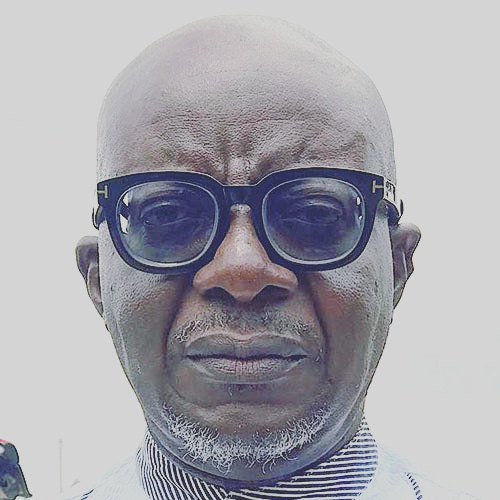
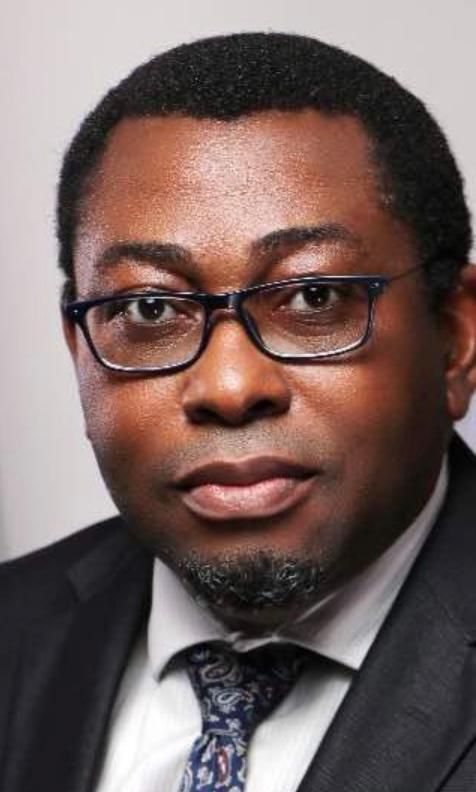
These themes of confrontation and collaboration continue in the NBA's politics today. As the country changes and more lawyers join the bar, the leadership styles and challenges have evolved, leading to a new option: pragmatism.
In 2016, the NBA changed how it selects its leaders in three significant ways. First, it introduced universal suffrage, replacing the old delegate system. This change aims to empower younger lawyers, who make up a large part of the voting population. Senior lawyers must now pay more attention to younger lawyers' needs.
Second, the NBA established a rotation system for its key positions across Nigeria's three original regions. This practice, known as “zoning,” recognizes Nigeria's ethnic diversity. However, it can also lead to problematic tribal politics. While ethnic groups may support a candidate, the candidate must still appeal to the broader membership for success. In the upcoming #NBADecides2026, one candidate tried to manipulate this system, leading to legal challenges.
Third, moving voting online has brought its own issues. Problems with power supply and internet connectivity have raised doubts about the NBA's election system. In the last election, voting was delayed for over seven hours due to a cyberattack on the electronic voting platform. This incident highlighted the need for better security and testing before elections.
Since 2014, fundraising for NBA leadership has become increasingly competitive. In 2014, campaign costs surpassed one billion naira and have continued to rise. The NBA is a wealthy organization, and its leaders wield significant influence and resources.
However, this has forced candidates to seek funds from outside sources. This situation can lead to ties with politically exposed persons, raising concerns about the NBA's commitment to promoting the rule of law. The Electoral Committee of the NBA (ECNBA) must tackle this rising cost of politics. Past leaders have not addressed this problem effectively, and change is necessary.
The journey to the ballot in #NBADecides2026 is filled with challenges. The announcement of a winner on July 19, 2026, may not be the end. It's possible the outcome could face further court scrutiny. Regardless of the results, the NBA must work transparently to improve its leadership processes. Failure to do so could threaten its commitment to promoting the rule of law, especially with the upcoming 2027 elections on the horizon.
Drop your comment
No comments yet — be the first to drop the gist 👇