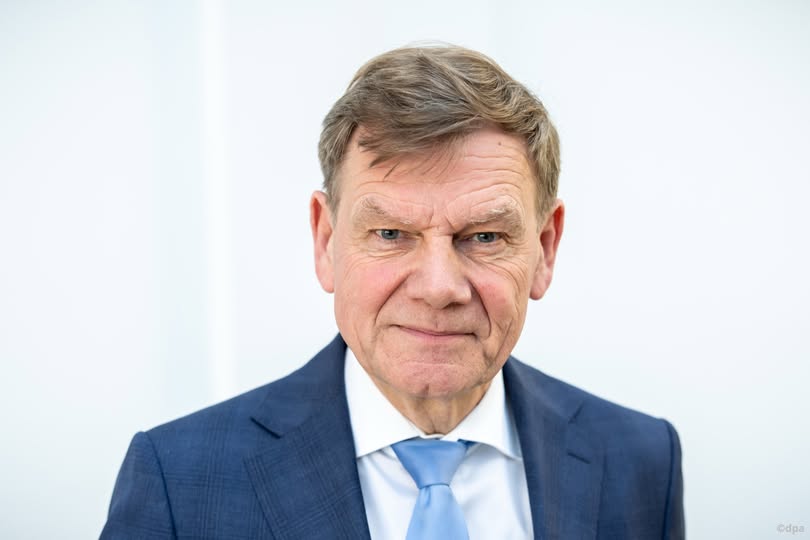
Germany lost its bid for a seat on the UN Security Council on Wednesday. This is the first time the country has lost since it joined in 1973.
Germany failed to get the required two-thirds majority vote from the General Assembly. It lost to Austria and Portugal. Foreign Minister Johann Wadephul called it a “bitter defeat.”
Wadephul said the loss was due to rising anti-German feelings fueled by Russia's actions. He claimed Russia opposed Germany's bid because of its strong support for Ukraine in the ongoing war.
On Wednesday, the UN held its annual election for non-permanent members of the Security Council. This election decides which countries join the five permanent members, China, France, Russia, the United Kingdom, and the United States, on matters of international peace and security.
Every year, five countries are elected through secret ballot to serve a two-year term on the 10 rotating seats of the 15-member Security Council. These seats are divided by regions: Africa, Asia-Pacific, Latin America and the Caribbean, Western Europe, and Eastern Europe.
Austria, Portugal, Trinidad and Tobago, Zimbabwe, and Kyrgyzstan won the election after four rounds of voting. These five countries will be non-permanent members of the UNSC for the 2027-2028 term.
Zimbabwe and Trinidad and Tobago were elected unopposed. They secured seats for their regions. Kyrgyzstan won its seat by beating the Philippines in the vote for Central Asia and Asia-Pacific.
Germany, which is one of the biggest contributors to the UN, got 104 votes. This was not enough compared to Portugal’s 134 and Austria’s 131. This marks the first time Germany has failed to win a non-permanent seat on the UNSC.
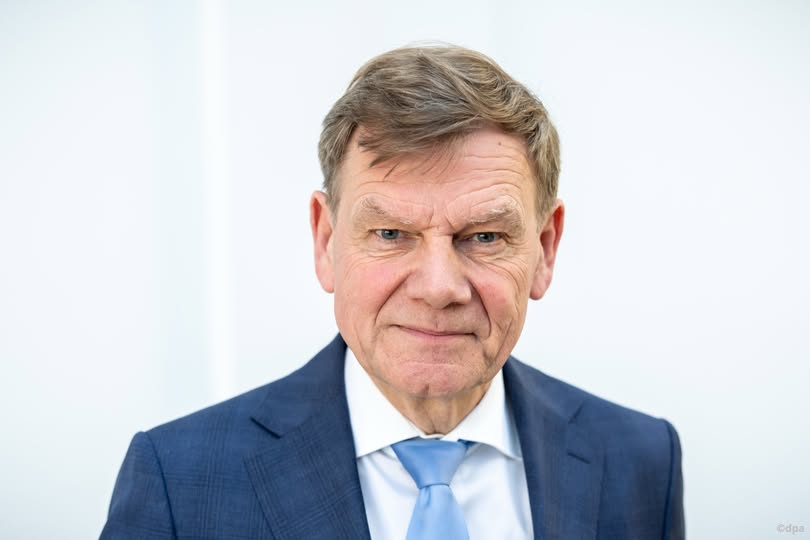
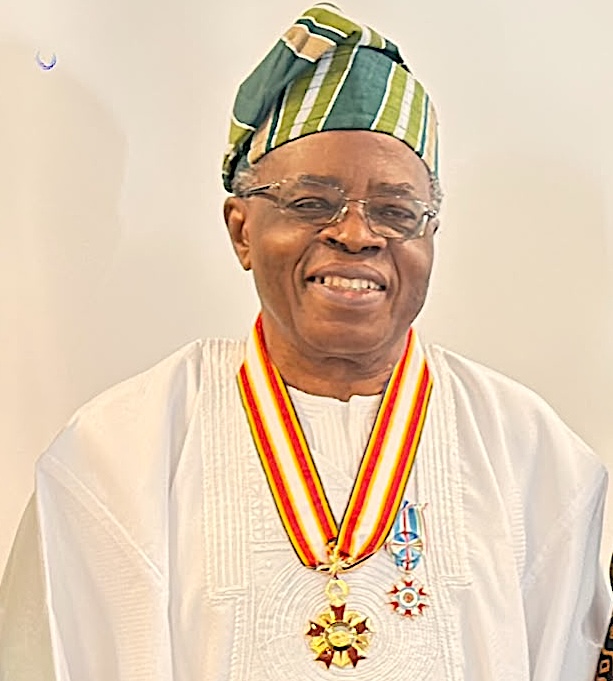
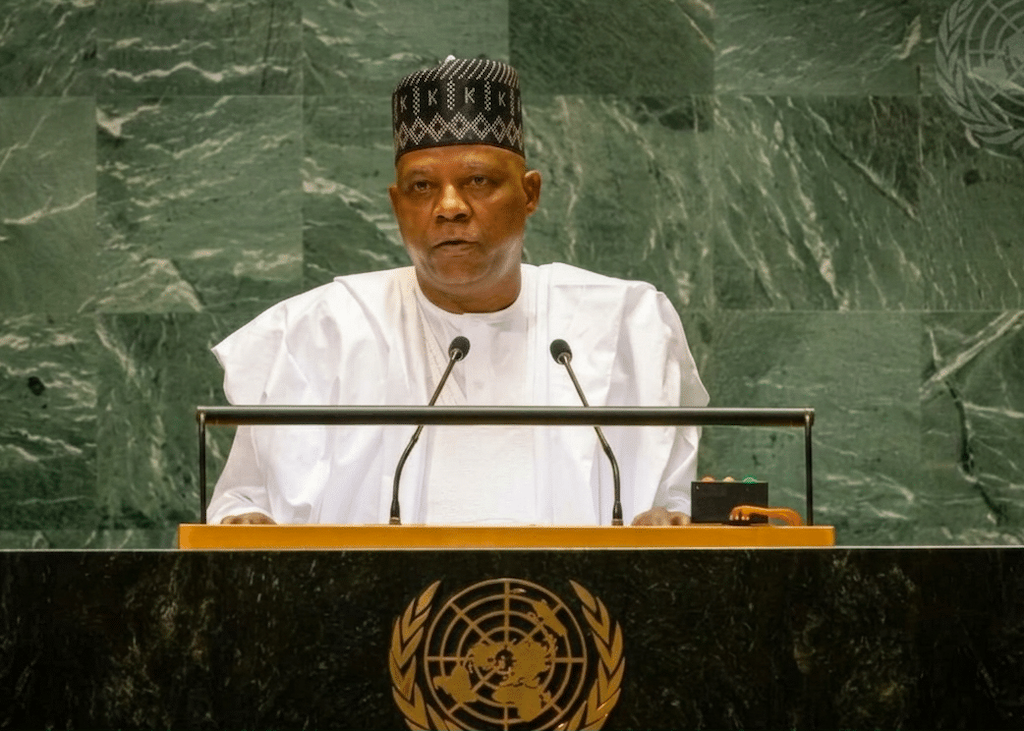
Before the election, Wadephul had said Germany had a strong offer and was ready to take responsibility on the important committee for peacekeeping and international security. He blamed Russia’s efforts to keep pro-Ukrainian voices out of the council as the main reason for their loss.
“There is our firm support for Ukraine, the fact that Russia does not want such a voice at the Security Council,” Wadephul told the BBC.
He said it was no secret that Russia aimed to spread negative feelings against Germany.
“We have always taken a clear stance on certain issues, and these are positions that not all member states share,” he added.
Wadephul also mentioned that Germany’s special responsibility for Israel in the Middle East conflict might have cost them votes.
“Germany will continue to live up to its historical responsibility even if, at the time, we criticized specific policies of the government,” he said.
Russia has not yet answered the claims that it tried to block Germany’s membership in the council.
Drop your comment
No comments yet — be the first to drop the gist 👇