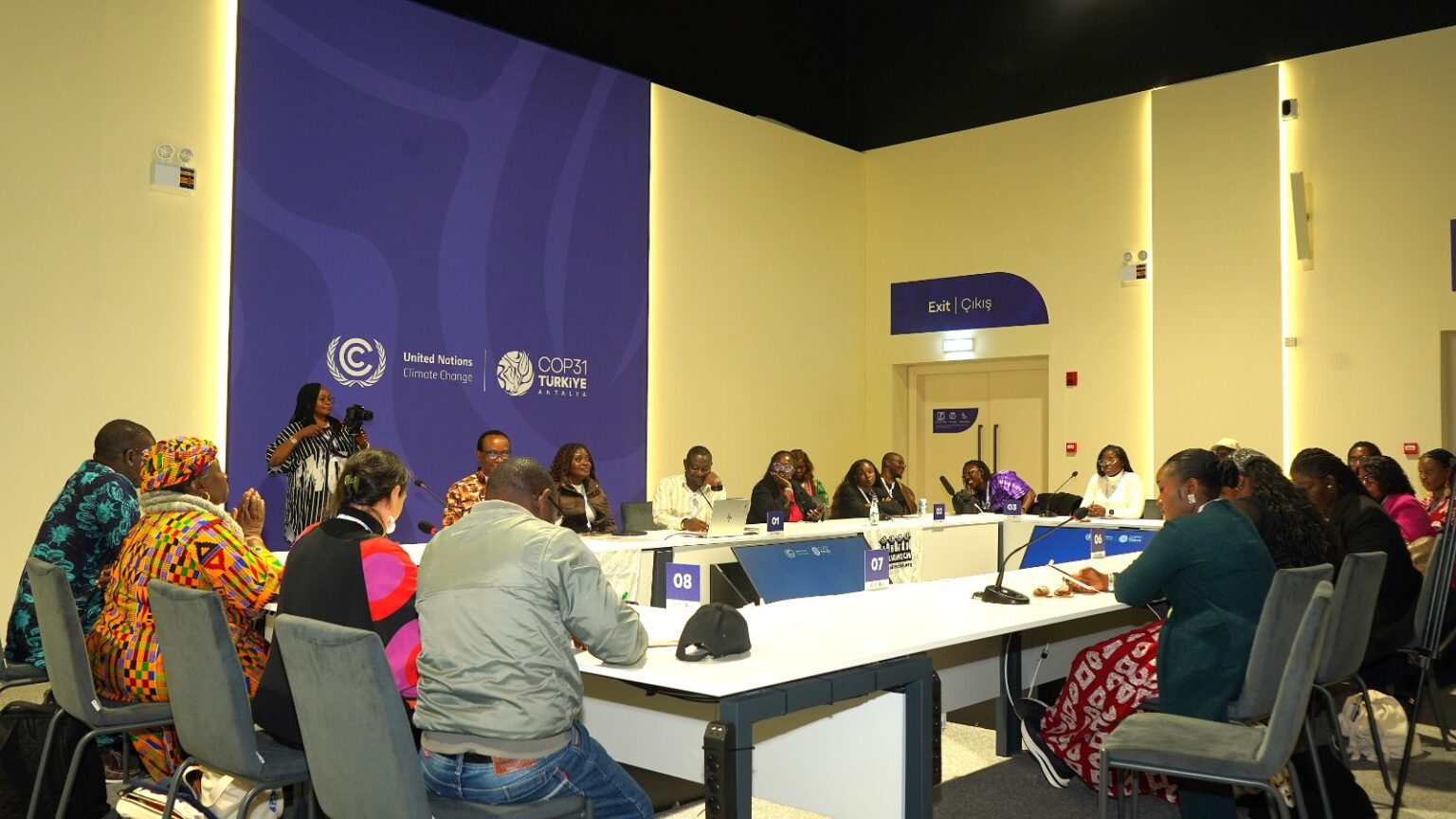
The Health of Mother Earth Foundation (HOMEF) and Oilwatch Africa are calling for more accountability and community involvement in the global just transition process. They warned against allowing corporations to take charge of climate actions.
In a statement shared with the News Agency of Nigeria (NAN) in Benin on Sunday, the groups made these points during a meeting on accountability in the Just Transition Process at the 31st United Nations Climate Change Conference (COP31) in Antalya, Türkiye.
The statement highlighted the roles of governments, companies, civil society, and other groups in making sure that the switch from fossil fuels to cleaner energy benefits affected communities and workers.
Participants at the meeting raised concerns about whether the transition could be fair if communities lose control of their resources while corporations gain new business chances. "They stressed the need to ask: 'Whose transition is it, and what makes it just?'" the statement noted.
The forum called for a new approach that recognizes how communities relate to their environment, culture, livelihoods, and natural resources. "Participants expressed concern that corporations and polluting industries were increasingly shaping the concept of just transition to protect commercial interests."
They urged that the concept should be based on the rights and needs of communities impacted by environmental harm and extraction activities. The discussion also pointed out that informal sector workers were often left out of transition plans and called for their inclusion in decisions about new jobs, compensation, and social protections.
It was highlighted that governments and parliaments must protect citizens, manage natural resources for the public good, and keep corporations accountable. "Civil society organizations were urged to strengthen advocacy and monitoring, while trade unions were encouraged to defend workers’ rights and build alliances with affected communities," the statement added.
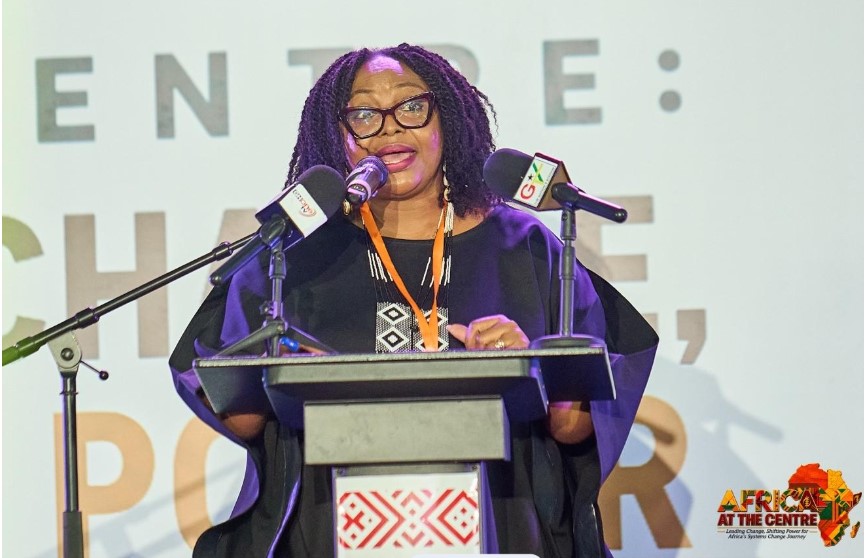
The forum also called for transparency, access to information, and real community participation in decisions that impact local areas and livelihoods. Nigerian environmentalist and climate justice advocate Patricia Achakpa used the case of fishing communities in Sanriku, Japan, to show how fishing restrictions affect livelihoods.
She stressed the need for fair compensation and support when environmental or economic changes disrupt community livelihoods. The forum urged companies to take responsibility for the environmental and social harm caused by their activities through remediation, compensation, and restoring livelihoods.

It warned against letting corporations abandon affected communities after taking resources or leaving projects. Yvonne Yanez, an Ecuadorian environmentalist and researcher, pointed to the Yasuní initiative and the wider Yasunize campaign as examples of community-driven alternatives to oil extraction.
She noted that this campaign arose from the experiences and demands of local communities rather than being imposed by outside organizations. The conversation also challenged transition frameworks that allow continued fossil fuel extraction and carbon trading while claiming to support climate action.
Nnimmo Bassey, a Nigerian environmental activist and executive director of HOMEF, introduced the idea of the "Good Life" as a vision for development based on ecological balance, dignity, cultural values, and community well-being. He argued that a true transition should focus on sustainable living and harmony with nature instead of just economic growth and profit.
Mr Bassey called for an end to harmful extraction, restoration of damaged ecosystems, and a shift away from exploitative development models. Ms Achakpa also stressed the importance of including women, young people, and children in the just transition process.
She called for policies that reflect the experiences of women, children, disabled persons, and the elderly, emphasizing that women’s participation should go beyond mere consultation to include real influence over decisions and access to resources.
The forum called for better community education, enforceable corporate accountability, protection of workers' rights, and more support for local solutions. It urged governments to fight against the ongoing expansion of fossil fuels and to promote development models that put community control of resources and ecological restoration first.
The discussion concluded that a just transition should not only change energy sources but also transform the social, political, and economic systems responsible for exploitation, environmental harm, and marginalization. It emphasized that communities, workers, women, and young people must have the power to make decisions about their lives and help create a fairer future.


Drop your comment
No comments yet — be the first to drop the gist 👇