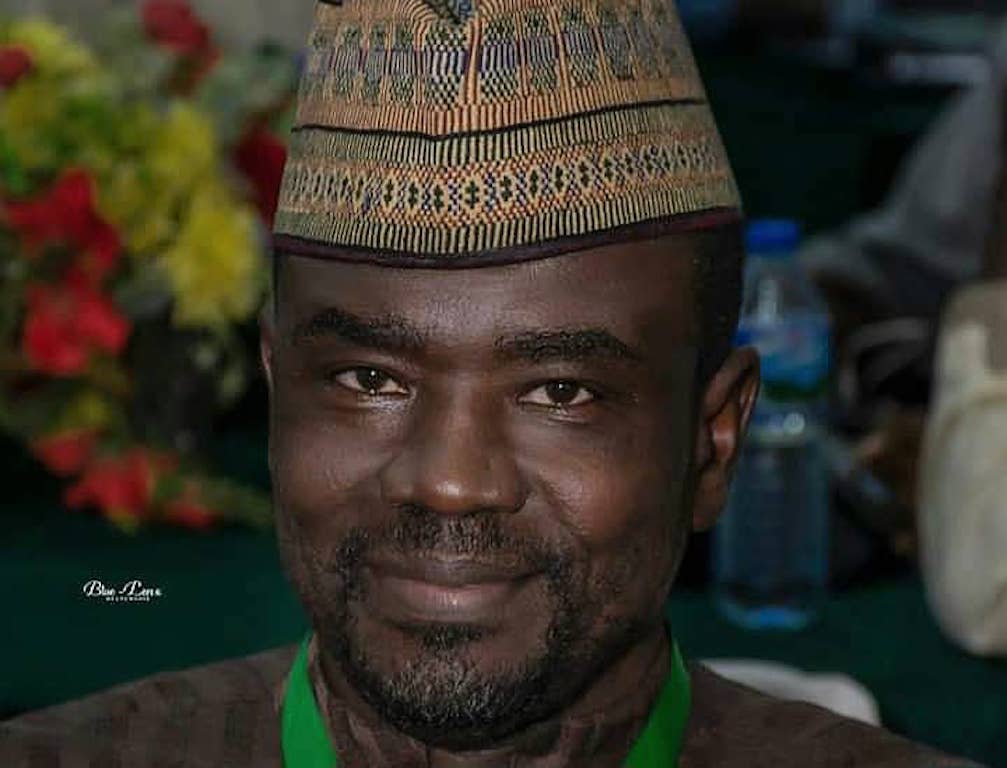
In 2016, after we launched our counter-insurgency communication campaign through the Forum of Spokespersons of Security and Response Agencies (FOSSRA), we entered our first serious international awards. This project was a collaboration with the Office of the National Security Adviser (ONSA), PRNigeria, and Image Merchants Promotion Limited (IMPR).
That year, we received recognition at the African Excellence Awards in South Africa and the IPRA Golden World Awards in Qatar. For a small Nigerian PR firm, it felt like stepping onto a global stage we had never dreamed about.
Since then, we have made it a tradition to enter our top campaigns for international awards every year. So, 2026, which marks our tenth year in this journey, was always going to be significant.
For the 2026 season, IMPR submitted campaigns for several Nigerian institutions to two respected PR competitions. Our work for the NDLEA on drug abuse communication, the CBN on corporate communication, and the Nigeria Customs Service on institutional reputation were shortlisted for the SABRE Africa Awards in South Africa. We also entered separate campaigns for the IPRA Golden World Awards in Athens, Greece.
A Unique Campaign
However, the campaign that truly marked our tenth anniversary did not come from a regular client brief. It came from an unexpected disruption.
While attending Senior Executive Course 47 at the National Institute for Policy and Strategic Studies (NIPSS) in Kuru, I came up with a research project on how artificial intelligence intersects with crisis communication in Nigeria. The project got formal approval. But after I was withdrawn from the program, which I have documented elsewhere, the research suddenly lost its institutional backing.
I had two options: give up the project with the program, or separate my work from the conflict. I chose the second option.
The Centre for Crisis Communication (CCC) supported the research and provided the framework needed to finish it. The National Information Technology Development Agency (NITDA) helped with logistics. Two respected academics, Professor Abdalla Uba Adamu from Bayero University Kano and Professor Abiodun Adeniyi, Vice Chancellor of Baze University, reviewed and approved the work.
Within three months, what could have been just another abandoned proposal was completed outside the institution where it started.
Addressing Digital Challenges
The study, AI in Crisis Communication in Nigeria, looks at the threats from AI-driven misinformation, deepfakes, and the broader digital information disorder. It also aims to go beyond just identifying problems by suggesting a strategic communication framework to enhance Nigeria’s crisis response.
Its recommendations shaped the first National Symposium on Digital Innovations in Crisis Communication. This event brought together security agencies, government bodies, media groups, civil society organizations, and tech experts. The symposium laid the groundwork for the proposed Crisis Communication Hub (CCHub), a 24-hour platform for social listening, deepfake detection, misinformation monitoring, and coordinated crisis messaging across Nigeria’s public sector.
What started as academic research slowly turned into a proposal for institutional reform.
Then I had another idea: why not submit the whole journey, not just the research, but how it turned into a strategy, for an international award?
At the last minute, I entered the IPRA Golden World Awards with the campaign titled “AI in Crisis Communication: From Study to Strategy.” It was shortlisted in two categories: AI in Crisis Management and Publications. We were also thrilled that the Comptroller General of Customs, Adewale Adeniyi, was shortlisted for a Special Recognition Award for his leadership in institutional communication.
Facing Visa Challenges


With 25 September set for the awards ceremony in Athens, we started preparing. Then we hit the familiar Nigerian passport issue. The Greek Embassy in Abuja announced it would not issue Schengen visas to Nigerian applicants until next year.
We looked for other options. Some team members had valid visas, while our Schengen visas had just expired. We tried renewals through diplomatic channels, including embassies outside Nigeria. We spent a lot on insurance, flights, and hotel bookings. But nothing worked out.
This was not a new problem. Over the years, IPRA has often stepped in for Nigerian nominees facing visa issues for ceremonies in Qatar, Bulgaria, Armenia, Japan, Belgrade, Spain, and more. An IPRA official once asked me why Nigerians faced such ongoing travel challenges even for recognized professional events. I had no good answer.
As the Athens event got closer, IPRA and its Greek partners stepped up their diplomatic efforts. Then I got news that changed everything: our entry was being considered for the Grand Prix, the highest award at the IPRA Golden World Awards.
Suddenly, our travel issues were more than just disappointing. We had to think on our feet. I reached out to two people with valid Schengen visas who were suitable representatives: Professor Sule Yau Sule, chairman of the IMPR Board, and Dr Abdulaziz Arowona, CEO of Emirate Radio. Both agreed to go to Athens.
Just days before the event, IPRA Secretary General Philip Sheppard asked for a fifty-second appreciation video, just in case. I recorded it without knowing what was in store for us.
On 25 September, Dr Arowona streamed the ceremony live from Athens. From my home in Abuja, I watched as representatives from over fifty countries gathered while IPRA President Esther Cobbah presented awards to winning campaigns.
A Surprising Victory
Then came the big announcement.
Philip Sheppard stepped up to announce the Grand Prix. He revealed that the winning campaign was about artificial intelligence and crisis communication. For a moment, I was unsure.
Then a video about our project appeared on the screen. Immediately after, the fifty-second message I had recorded in Abuja played for the international audience.
I won’t pretend I stayed calm. Shock is an understatement.
This project started as research in Kuru, became lost after my withdrawal from NIPSS, was saved by CCC and NITDA, went through academic review, became a national symposium, and grew into a proposal for an AI-enabled Crisis Communication Hub. Now, it had won the Grand Prix at a global event.
Competing with campaigns from over fifty countries, many backed by bigger institutions, was already daunting. Just making the shortlist was satisfying. Winning our categories would have been a big deal. But winning the Grand Prix took a while to sink in. I had to pinch myself to be sure I wasn’t dreaming.
Another symbol marked that evening. Nigeria’s delegation leader, Comptroller General Adewale Adeniyi, a former vice president of the Nigerian Institute of Public Relations, received the Grand Prix on behalf of IMPR, Nigeria, and Africa. Earlier that evening, he had received a Special Recognition Award for his leadership in institutional communication. It was a fitting moment: a Nigerian communication professional getting global recognition for his own work, and then standing again to accept the industry’s top award for another Nigerian campaign.
I could not travel to Greece to accept the award. Yet, the idea traveled. And in the end, that was enough.
Drop your comment
No comments yet — be the first to drop the gist 👇