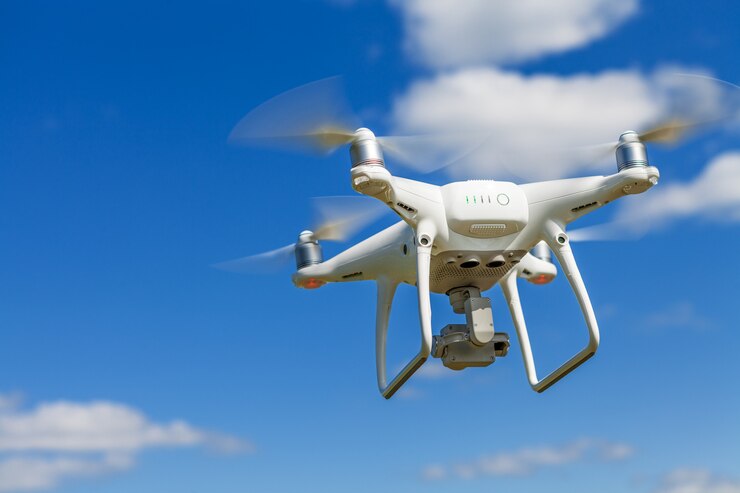
Almost two decades after Boko Haram started in Nigeria, the Islamic State West Africa Province (ISWAP) has become a strong group using technology. They rely on commercial drones, satellite communications, and local weapon-making.
This is one of the main points from a new report released today by the Institute for Security Studies (ISS). The report is titled “Wiring the insurgency: Inside ISWAP’s adaptive technology programme.”
The report, launched in Abuja on Thursday, is based on interviews with former Boko Haram fighters who recently left the group and security insiders. It shows how ISWAP has changed everyday commercial tools to improve its intelligence, propaganda, and combat skills.
Unlike other insurgent groups that get direct support from foreign countries, ISWAP depends on the global Islamic State network for advice and money. The report explains that equipment and funds come to ISWAP through international supply routes.
Money and items like Starlink and Thuraya satellite communication devices, which were first registered in Dubai, are sent from the United Arab Emirates. They go through currency exchange operators in Kano, Nigeria, and other routes in N’Djamena, Chad.
An ex-fighter mentioned the scale of their communications, saying, “We have our own laptops, and we use Thuraya and Starlink … the number of the Thuraya is uncountable.”
These supplies are smuggled into the Lake Chad Basin hidden in bundles of fabric and food through transit points like Geidam, according to the report.
ISWAP has improved its ability to make weapons. They started with a basic method after the 2013 raid on the Government Technical College in Bama, where they stole equipment to set up workshops. Now, they have specialized workshops on Lake Chad islands that produce explosives and modify commercial DJI drones with IEDs.
To keep these operations safe, ISWAP has strict security rules. They ban local SIM cards at their bases, limit smartphone use among fighters, and use satellite Wi-Fi to get around government telecom shutdowns.
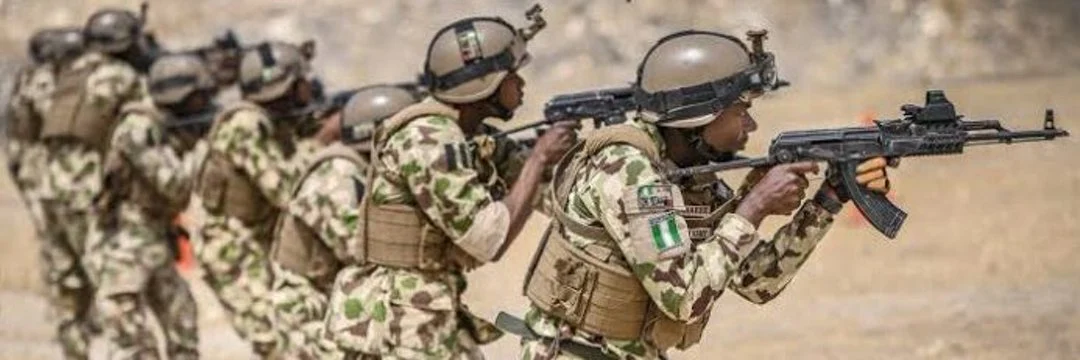

The report compares ISWAP’s organized method to its rival group, Jama’tu Ahlis Sunna Lidda’awati wal-Jihad (JAS). While ISWAP has a disciplined organization supported by IS central, JAS has a looser structure.
An ex-fighter pointed out the difference, calling JAS’s media “nothing organized.”
ISWAP also focuses on attacking military bases to seize weapons. They use a system that pays fighters for weapons taken from the military and given to the group. In contrast, JAS relies more on attacking civilians and old arms routes from Sudan.
The research highlights ISWAP’s organized structure, including a media department called Ilan. This group manages real-time propaganda and secret communication with journalists. At the community level, they use the rijal, awam network to place agents among civilians. These agents gather intelligence, manage logistics, and act like a government.
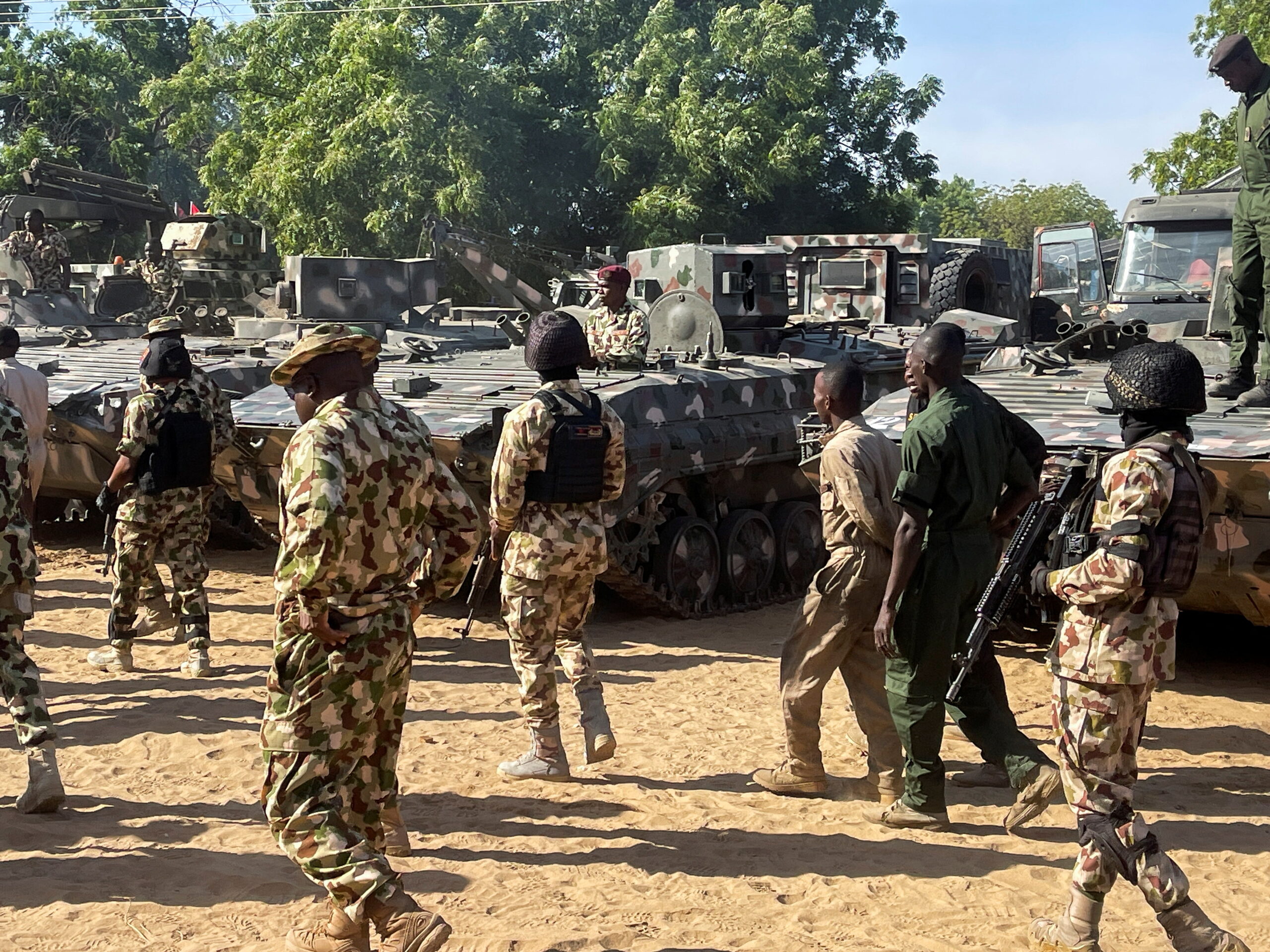
While state militaries and the Multinational Joint Task Force (MNJTF) have started using counter-drone measures like handheld jammers and radar training, the report warns that slow buying processes and reactive tactics still hurt national and regional security efforts.
The study also warns that while there is no clear evidence yet of using artificial intelligence (AI), ISWAP’s quick development means counterinsurgency planners need to prepare before AI becomes a real threat.
“This work is part of our Disrupting Armed Groups’ Operational Governance project, which aims to reveal key parts of ISWAP’s support system,” said the author Taiwo Adebayo.
The report calls for a joint effort. It recommends that counterinsurgency groups use information from defectors, improve naval operations in Lake Chad, shut down currency exchange networks that help fund ISWAP, and work with satellite communication companies to track devices used in conflict zones.

Drop your comment
No comments yet — be the first to drop the gist 👇