By linking road projects with political inclusion and economic growth, President Tinubu is reshaping the political map of the South-East. The region is moving beyond just election results to focus on completed roads, factories, and involvement in governance. The South-East deserves to be part of Nigeria’s growth story. Under President Tinubu, this change is already happening.
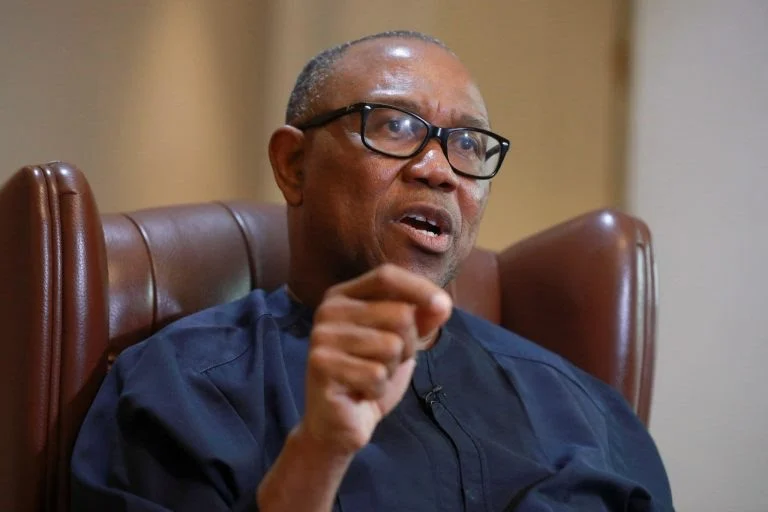
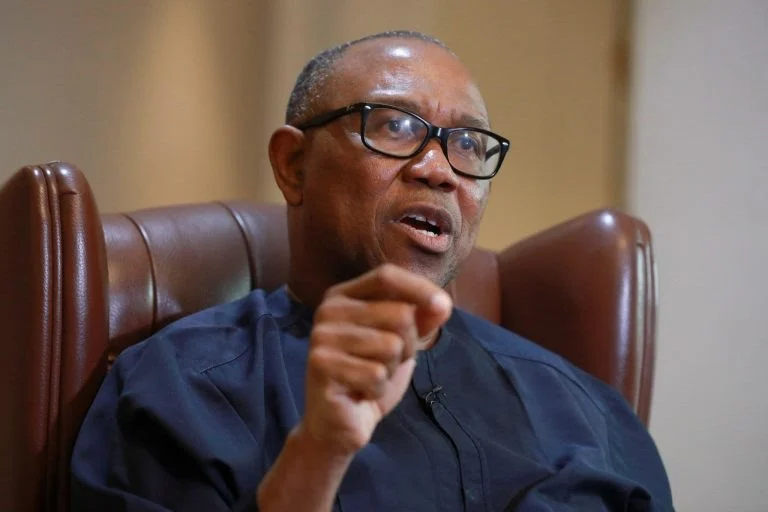
After the 2023 presidential election, many experts agreed on the voting trend in the South-East. The region mostly voted based on ethnicity. The numbers showed this clearly: Mr Peter Obi from the Labour Party secured over 1.8 million votes. In contrast, Bola Tinubu from the All Progressives Congress got around 127,000 votes across the five states in the South-East.
Now, three years into Tinubu's government, that voting pattern is changing. This change is not just talk; it is driven by significant projects, key appointments, and active political engagement. The South-East has often complained about being ignored, especially when it comes to federal projects. President Tinubu is working to close that gap with visible infrastructure development.
There are many federal projects happening in the zone now. It is hard to keep track of them all. Some of these include the work on the Enugu-Onitsha Expressway, Calabar-Ebonyi-Benue Trans-Saharan Superhighway, Enugu-Port Harcourt Road, and the access roads for the Second Niger Bridge.
For a region that relies heavily on trade, fixing these roads is crucial for businesses in Onitsha, Aba, Nnewi, and other commercial areas. I saw some of these important roads and the high-quality work during a recent media tour of government projects in the South-East, organized by the Renewed Hope Ambassadors and the Presidential Media Team.
President Tinubu is also focusing on the Eastern Rail Corridor from Port Harcourt to Maiduguri, making sure the South-East part is prioritized. This revives a transport method that has been down for years. The importance of this is clear when you consider that some projects now being started under Tinubu were first planned during colonial times but were never completed.
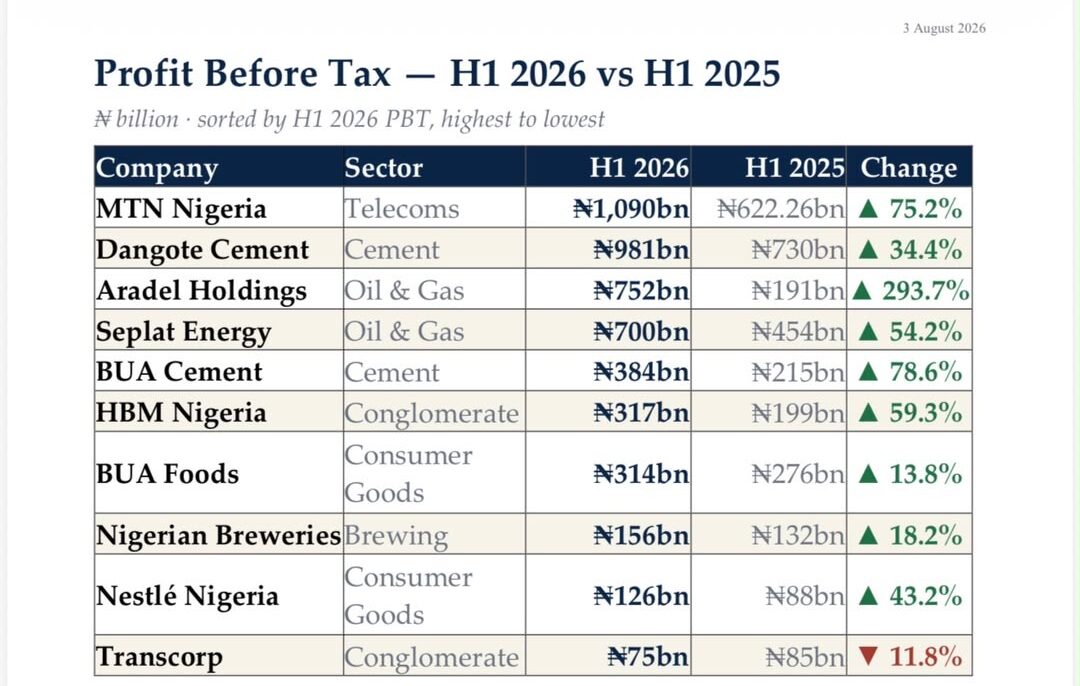
This revival is not just about roads. Regarding energy, South-East states are included in the Siemens Power project, and there is renewed focus on gas infrastructure to help industries in Aba and Nnewi. During the media tour, we visited the ANOH gas project, which is one of Nigeria’s biggest natural gas projects. The processing plant, run by ANOH Gas Company, is a joint venture between Seplat Energy Plc and Nigerian Gas Infrastructure Company. It was inaugurated by President Tinubu on May 15, 2024, and is already supplying gas to companies like Indorama Petrochemical Company.
The road and rail projects across the South-East are not just promises made during campaigns. They are real projects with contractors already working. In politics, actions speak louder than words. It matters that South-Easterners are being included in government and important positions. The 2023 election showed that the APC had a deficit in votes. But the appointments from 2023 to 2026 show a clear effort to improve representation.
In terms of political changes, things are looking better. Elections are about growth. In 2023, the APC got 127,370 votes in the South-East. The Tinubu administration's goal for 2027 is not to win every state immediately but to increase votes gradually, local government by local government.
Now, key South-Easterners hold important roles in Foreign Affairs, Defence, Works, Science and Technology, and security agencies. For example, Mrs Bianca Odumegwu-Ojukwu, the Minister of Foreign Affairs from Anambra State, is the highest-ranking female political appointee in the Federal Executive Council.
The message is clear: the South-East is moving from the sidelines to a central role in decision-making. This is changing the conversation from exclusion to how much more can be done together.
President Tinubu’s economic reforms, like unifying foreign exchange rates and ending the fuel subsidy, may be challenging. But the South-East is set to benefit from the shift towards production and exports. Aba’s Made-in-Nigeria campaign, Onitsha’s trading network, and Nnewi’s manufacturing base are getting support from federal funds, CBN intervention funds, and export assistance. Plus, the recent official handover of Akanu Ibiam International Airport in Enugu to a concessionaire has boosted the region’s logistics and commercial ambitions.
The Tinubu administration is seeing the South-East not just as a voting block but as a key part of Nigeria’s industry.
Political changes are on the rise. In 2023, the APC received 127,370 votes in the South-East. The Tinubu administration aims to grow this number for 2027, state by state, local government by local government.
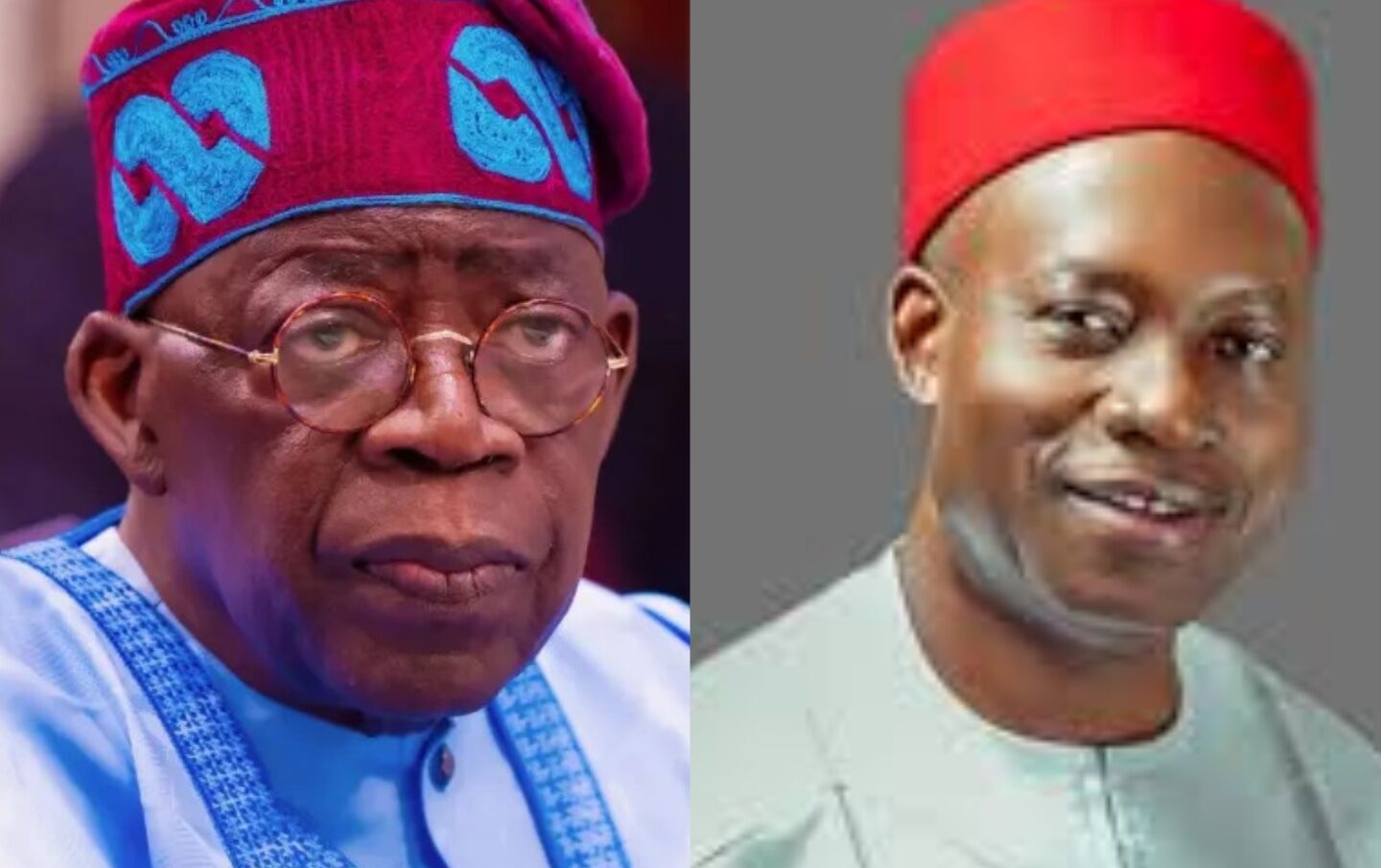
This growth is clear: from no states in 2019, to two states in 2023, the APC has now gained three. The other two states in the region are not against President Tinubu. Anambra State Governor Chukwuma Soludo of the All Progressives Grand Alliance and his Abia State counterpart, Governor Alex Otti of the Labour Party, support Tinubu, his reforms, and his reelection plans.
All governors, not just those from the South-East, agree that President Tinubu’s reforms have freed up resources for state governments, allowing them to start infrastructure projects.
Politics in the South-East has always been about practical results. Where federal projects are visible, political support follows. The 2023 election results showed where President Tinubu and the APC stood. Now, the story of President Tinubu’s governance in the South-East is revealing the direction things are going.
Governor Hope Uzodimma, the chairman of the Progressive Governors, has been vocal in his support for the President and actively campaigns for his second term. Uzodimma is also the head of the Renewed Hope Ambassadors, the main group supporting Tinubu’s reelection.
At a recent dinner for the National Media Team in Owerri, Imo State, Uzodimma praised President Tinubu’s strong economic reforms. He expressed confidence that Tinubu’s performance will lead to a second term in 2027. He said, "The old order is gone and there is now a new order. President Tinubu knew exactly what he came to do. He started implementing the reforms immediately because he understood the task before him."
Importantly, governors and leaders in the South-East are now talking regularly with the Presidency. Federal projects are being launched with officials from different parties present. Youth and business groups that stayed away in 2023 are now engaging with APC because they see real projects in their areas.
Politics in the South-East has always been about practical results. Where federal presence is felt, political support follows. The 2023 election showed where President Tinubu and the APC were. Now, President Tinubu’s governance story in the South-East is showing where things are headed.
By linking road projects with political inclusion and economic growth, the administration is reshaping the South-East political map. It is moving from just election results to completed roads, operational factories, and true involvement in governance. The South-East deserves to be part of Nigeria’s growth story. Under President Tinubu, this change is already underway.
Drop your comment
No comments yet — be the first to drop the gist 👇