Last Friday, at my local mosque, the Anas Ibn Malik Islamic Centre Masjid in AMSSCO Platinum City Estate, Galadimawa, Abuja, the Imam, Bashir Bello Shagari, delivered a sermon on the topic, “Rain: A Blessing, Mercy, Trial and Lesson.”
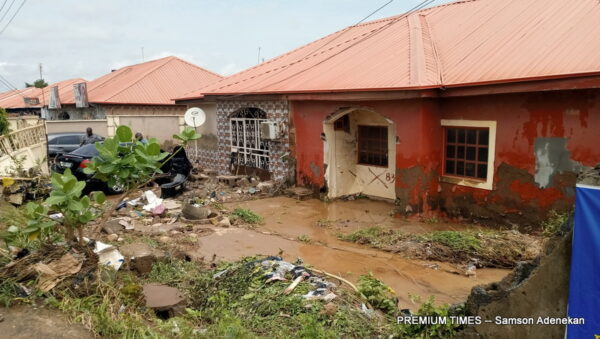
The sermon was timely. In Abuja, rain, which used to be welcomed with joy, now brings mixed feelings. Rain helps crops grow, fills water sources, cools the air, and supports life for people and animals. But for many residents, it has also caused flooded homes, blocked roads, property damage, lost jobs, and even deaths.
The sermon urged worshippers to see rain as more than just weather. It explained that rain is a blessing we should appreciate, a mercy that supports life, a potential trial when it causes damage, and a lesson about our responsibilities.
This message should extend beyond the mosque. It connects directly to Nigeria’s environmental and climate issues and, more importantly, to how well our leaders manage these challenges.
The Qur’an describes rain as a sign of God’s mercy: “And He is the One who sends down the rain after they have despaired, and He spreads His mercy” (Qur’an 42:28). It also encourages us to think: “Have you considered the water that you drink? Is it you who bring it down from the clouds, or are We the One who sends it down?” (Qur’an 56:68, 69).
These verses show that water is not just a resource. It is essential for life. We must be grateful for it, which includes using it wisely, preparing for possible risks, and caring for the environment where it flows.
Gratitude cannot just be words when drains are blocked with trash, green spaces are turned into buildings, trees are cut down without replacement, and buildings are allowed on natural waterways. We must show gratitude through responsible actions, caring for the environment, and policies that protect this gift for today and future generations.
The Islamic idea of khilafah, or humanity’s role as caretakers of the earth, is a strong basis for sustainability. People can use the earth’s resources, but we cannot freely destroy them. Development that harms the environment is neither wise nor sustainable. Environmental damage often brings immediate warnings and long-lasting effects.
This message is especially urgent in the Federal Capital Territory. Flooding in August 2026 affected many areas in Abuja, including Wuse II, Gudu, Gaduwa, Durumi, Maitama, Katampe, Mabushi, Lugbe, and Gwarinpa. The FCT Administration then announced plans to remove structures blocking waterways and started a citywide drainage-clearing project in September during the peak of the rainy season.
These actions are important, but they raise tough questions about governance. What problems in planning and enforcement allowed such buildings to be built? Were environmental impact assessments done? Why do drains stay blocked until flooding occurs? Why must residents lose their homes and businesses before action is taken?
Flooding is often called a natural disaster, but rain alone does not cause its harmful effects. Heavy rain becomes dangerous when it meets poor drainage, uncontrolled building, careless waste disposal, weak infrastructure, and lack of enforcement of planning rules.
Abuja’s situation shows the difference between weather and disaster. The government cannot stop rain, but decisions shape whether rainwater flows through working drains or enters homes.
Citizens also have responsibilities. Individual actions are key to caring for the environment and addressing climate change. Disposing of plastic bottles, food containers, and other waste into drains might seem like a small act, but it has wider consequences. When many people do this, drains turn into trash dumps, putting whole communities at risk.
The sermon reminded worshippers: “Do not throw yourselves with your own hands into destruction” (Qur’an 2:195). This applies to a driver trying to cross a flooded road. It also relates to every personal action and official mistake that creates conditions for preventable harm.
The sermon took me back to my childhood in Jos and Keana. Back then, the last Saturday of every month was for compulsory environmental cleaning. Every home had basic tools like machetes, hoes, rakes, and brooms. Families used them to clean up, remove trash, and clear drainage systems.
This practice did more than keep our communities tidy. It taught discipline and gave people a sense of responsibility for their environment. Children learned that cleaning was not just the government’s job. Every family had a part to play.
This lesson became even more relevant after flooding in Keana, Nasarawa State, in 2025. Reports showed that the flood destroyed homes and farms and disrupted lives. Though no lives were lost, the damage highlighted how quickly rain can change from a blessing to a trial without proper preparation.
The sense of community I grew up with seems to be fading. Urban growth, changing lifestyles, and increased reliance on government have weakened our shared responsibility for the environment. Today’s climate challenges require us to restore that spirit in a better-organized way.
The government must provide good waste management, drainage systems, enforce planning laws, and have early warning systems. Citizens should help by keeping their areas clean, protecting drains, planting trees, and not turning waterways into trash sites. Good environmental governance works when sound public policy is matched with responsible citizenship.
The risk goes beyond the FCT and Keana. Federal flood forecasts for 2026 named thousands of communities in 33 states at risk. Yet Nigeria’s flood seasons continue in the same painful cycle. Forecasts are made, warnings are shared, rains come, communities are displaced, relief is given, and public attention fades until the next disaster.
The disaster in Mokwa, Niger State, in May 2025, is a clear warning. Hundreds of lives were reportedly lost, homes destroyed, and many residents displaced. Farms and infrastructure were also damaged. This tragedy impacted food production, household income, public health, and local economies.
The severe Maiduguri flood of 2024 showed what happens when heavy rain meets weak infrastructure and lack of disaster readiness. Homes, public services, and livelihoods were lost, leaving many people displaced.


These disasters show why Nigeria must keep improving prevention and readiness alongside emergency responses.
Relief materials are crucial after a disaster, but their distribution should not be seen as a full disaster-management policy. Good governance is measured not only by how officials act after a tragedy, but also by what they did before it happened.
Climate change is increasing the intensity and unpredictability of extreme weather. But climate change should not be used as an excuse for poor administration. It may increase rain, but it does not put trash in drains, approve buildings on floodplains, ignore vital infrastructure, or stop governments from enforcing building regulations.
Nigeria must shift from seasonal flood responses to year-round climate governance.
First, flood-risk data from the Nigerian Meteorological Agency and the Nigeria Hydrological Services Agency should be included in state and local development plans. Forecasts should guide where building is allowed, which communities need early evacuation plans, and where infrastructure investment is most needed.
Second, planning approvals must be more open. Residents should see if developments around them follow land-use plans and environmental rules. Officials and developers who build illegally on waterways must be held accountable. Enforcement must be steady, lawful, clear, and fair.
Third, maintaining drainage should be treated as routine public infrastructure work, not just something done after flooding starts. Budgets for drainage building and upkeep should be publicly available, and completed projects should be independently checked.
Fourth, governments should invest in solutions that work with nature. Wetlands, green spaces, urban trees, and permeable surfaces can absorb and slow down rainwater. Paving every space and cutting down plants may seem like rapid progress, but it leads to more runoff and shifts the burden to vulnerable communities.
Fifth, governments should improve waste management by providing reliable collection services and enforcing sanitation laws. Households, markets, and businesses must stop using drains and waterways as dumping sites.
Finally, disaster preparedness must reach local communities. Flood warnings should be shared in clear local languages through mosques, churches, traditional leaders, schools, community groups, and digital platforms. Communities need evacuation routes, emergency contacts, and practical advice on avoiding flooded areas and helping affected people safely.
One key point from Mr Shagari’s sermon was about “beneficial rain.” The Prophet Muhammad (SAW) prayed for rain during droughts. When rain became too much, he prayed that its harm be diverted. This shows a balanced view: rain is necessary, but we must protect its benefits and manage its risks carefully.
Prayer and policy should work together. Faith can strengthen our sense of responsibility. We may pray for good rain, but we must also build and maintain systems that keep it beneficial.
Mosques and other religious groups can help turn this message into action. Sermons can encourage responsible waste disposal, tree planting, water conservation, and following safety warnings. Faith communities can support affected families and join local environmental projects. Religious leaders can also demand accountability from those in charge of public resources.
The sermon also taught that a believer should help those affected by disasters because believers are like parts of a building, each supporting the other. This principle should shape community unity and public policy. In economic terms, climate change creates negative impacts and high social costs. Climate disasters hit the poor and marginalized hardest, even though they often contribute the least to environmental harm. Climate governance must therefore focus on protecting vulnerable people.
Rain reveals more than just blocked drains. It shows the strength of our institutions, the quality of our urban planning, and how serious we are about protecting human life.
When the same communities flood repeatedly, it means we have not fully learned the lessons. When forecasts do not lead to early action, information has failed to turn into policy. When illegal buildings stay until disaster strikes, it raises concerns about the effectiveness of regulations.
The spiritual lesson of rain is ultimately one of accountability. As the sermon reminded us, the earth that flourishes after rain speaks to resurrection and the day when everyone will be held accountable for their actions.
Holding public office is also a trust that requires accountability. Officials responsible for planning, environmental protection, infrastructure, and emergency management have duties that affect lives. Citizens, builders, and businesses are equally responsible for how their actions impact the community.
Rain will keep falling. Whether it waters our farms, fills our reservoirs, or floods our homes depends partly on the climate but also greatly on the decisions we make.
If rain is a blessing, gratitude requires us to protect its benefits. If it is a trial, wisdom demands we prepare. And if it offers a lesson, good governance shows that we have learned it.
Drop your comment
No comments yet — be the first to drop the gist 👇