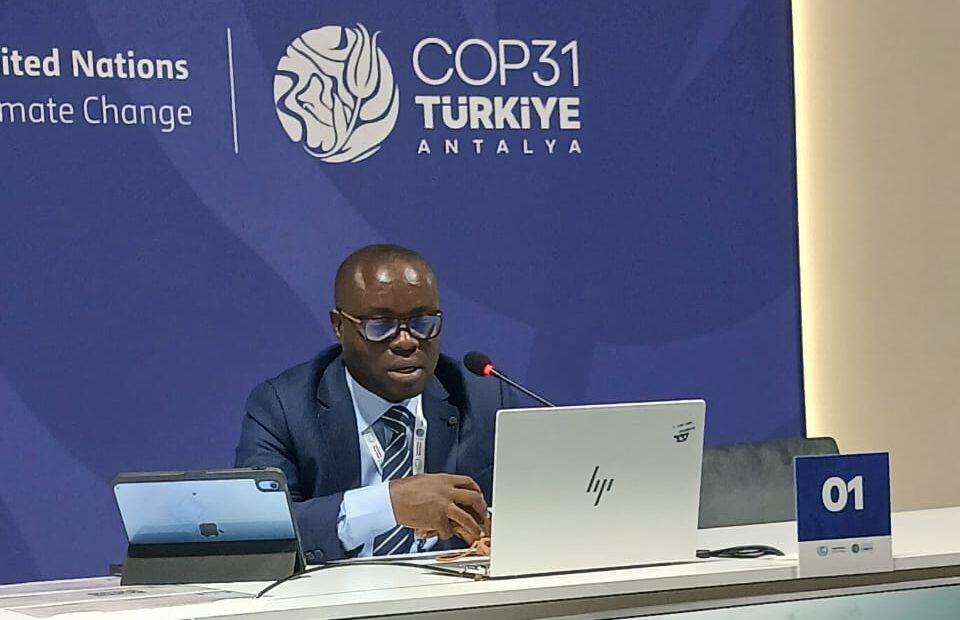
The Institute for Greening Education in Nigeria (IGEN) is urging African countries to create solid plans and funding to include climate change education in schools. They warn that just attending international climate meetings should lead to real actions.
IGEN made this call in a statement from its Executive Secretary, Unyime Robinson, on Monday. This statement came after the end of the 31st United Nations Climate Change Conference (COP31) in Antalya, Türkiye.
The institute believes Africa should go beyond just talking about climate issues. They want countries to create policies that tackle the continent's education problems and its vulnerability to climate change.
This plea comes as nations gear up for COP32, which will take place in Addis Ababa, Ethiopia, in November 2027.
COP31 wrapped up on 22 November without a clear political agreement. Disagreements over fossil fuels, climate funding, and the speed of global climate action stopped countries from agreeing on major points.
Nevertheless, delegates did agree on some separate issues like adaptation and a fair transition.
IGEN pointed out that the results of COP31 highlighted the need to turn the growing international focus on education into better national policies and actions.
At COP31, the institute took part in global discussions and shared its State of Greening Education in Nigeria Report. This report details Nigeria's approach to adding climate change education and environmental sustainability into its school system.
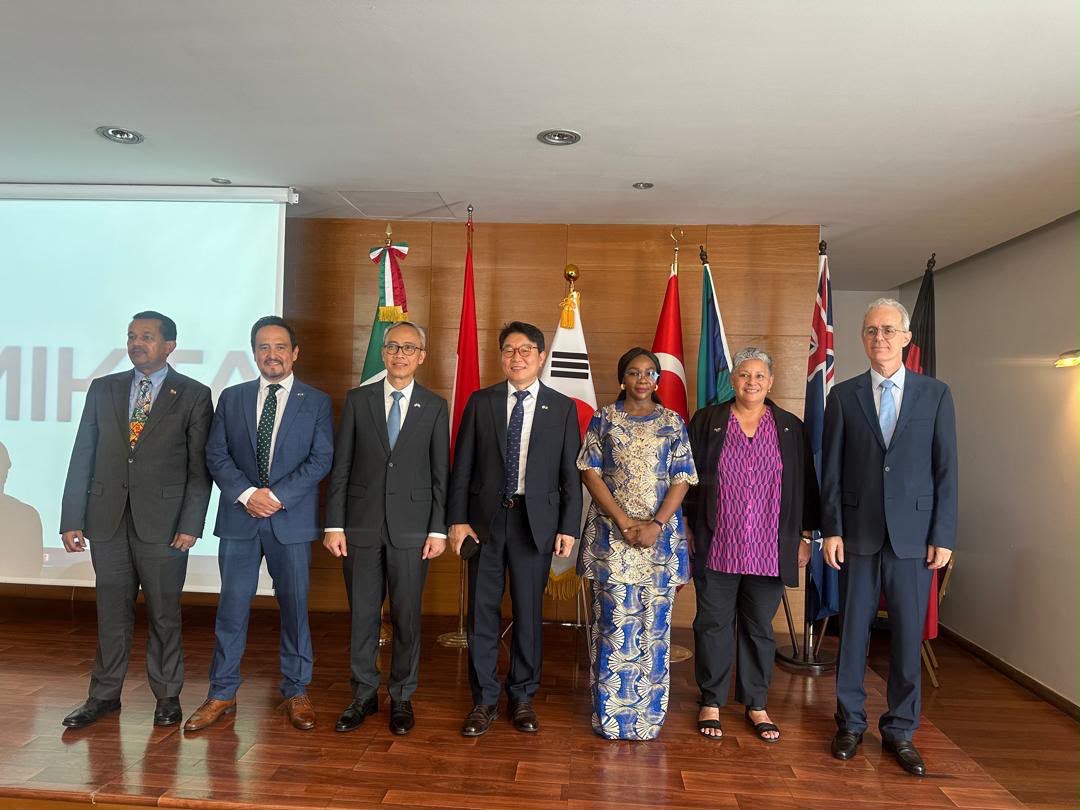
They also talked with international education and development partners about building skills, changing curriculums, and creating climate-resilient schools.
IGEN plans to keep pushing four main areas of UNESCO's Greening Education Partnership: greening schools, greening curricula, greening teacher training, and greening communities.
The institute also believes that teacher leadership, youth involvement, monitoring, and accountability are essential for successful greening education initiatives.
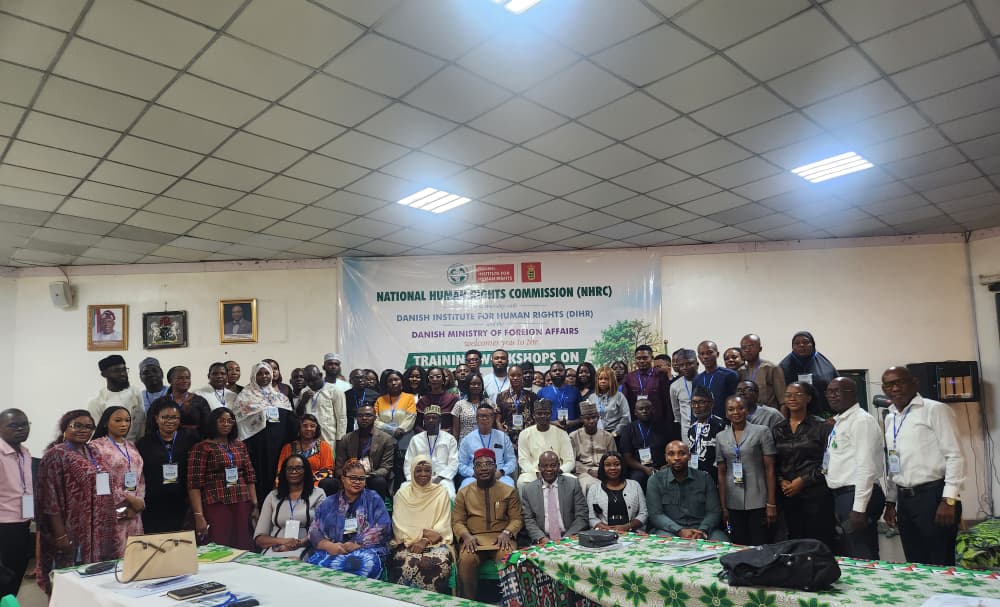

In Nigeria, IGEN sees the National Greening Schools Programme, backed by the Universal Basic Education Commission (UBEC), as a key part of this effort.
This programme includes the Greening Schools and Climate Change Education Intervention, aimed at bringing environmental sustainability and climate education into schools.
IGEN’s efforts build on its foundation as a national body focused on promoting environmental education and green skills development.
As PREMIUM TIMES reported in October, Uwem Ite, who works with Oriental Energy Resources, was elected chairman of IGEN's Governing Council. This followed the institute’s official registration and recognition by the federal government.
The institute also has a five-year strategic plan that runs from 2026 to 2030 to guide its work.
IGEN believes there needs to be better collaboration among governments, education institutions, development partners, and others to create a shared plan for climate education.
They say that the preparations for COP32 offer a chance for African nations to strengthen their position and ensure education priorities are at the forefront of global climate talks.
The institute is committed to supporting research, teacher training, professional standards, green skills, policy changes, and partnerships to improve education systems in Nigeria and across Africa.
They insist that education must not be seen as a side issue in climate action. It should be the basis for building climate resilience, sustainable development, and Africa’s shift to a green economy.
COP32 will take place in Addis Ababa from 8 to 19 November 2027, according to the United Nations Framework Convention on Climate Change.



Drop your comment
No comments yet — be the first to drop the gist 👇