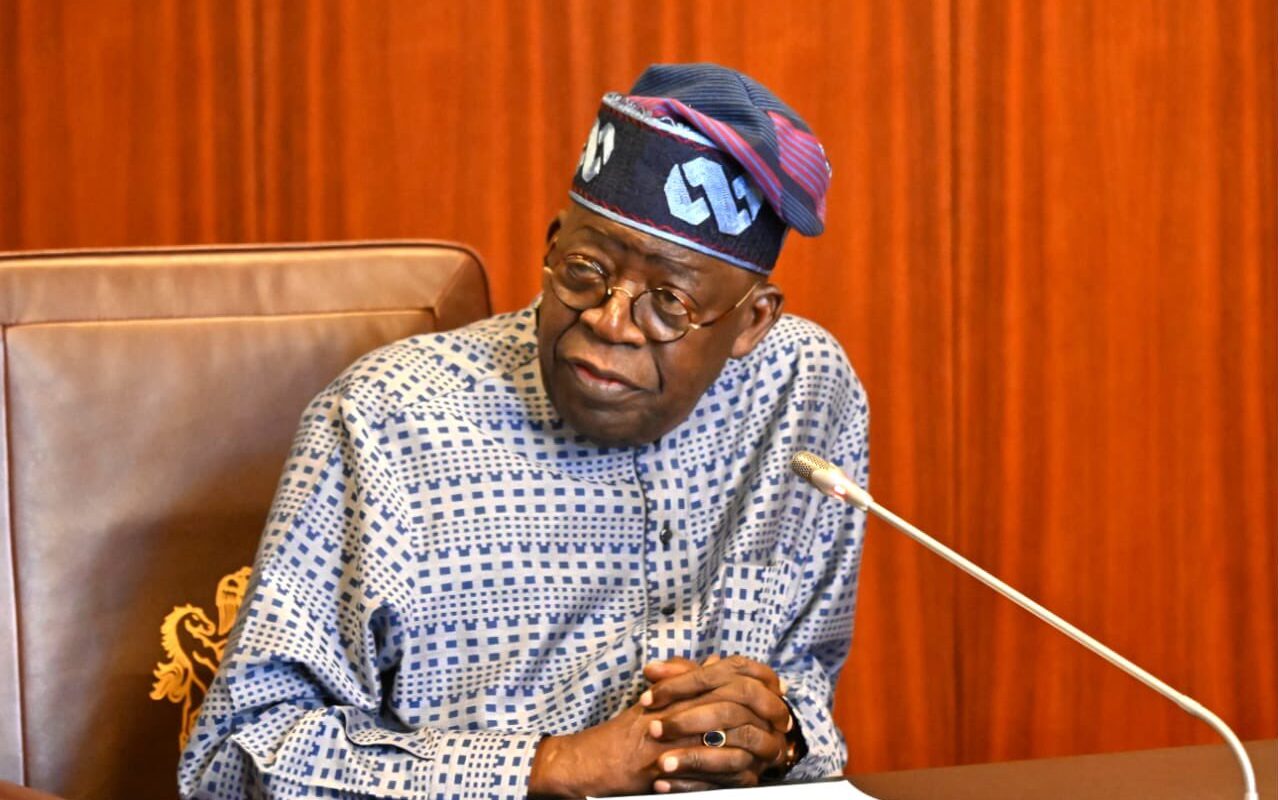
Ijaw and Urhobo leaders in Delta State have accepted a presidential decision about the Warri electoral boundaries, but they did so with reluctance.
They said they agreed to a new ward structure in the Warri South-West Local Government Area out of respect for President Bola Tinubu and to keep peace in the area.
In the new arrangement, the number of Ijaw electoral wards will drop from 14 to 11. Meanwhile, Itsekiri wards will increase from four to nine.
This compromise is meant to settle a long-standing issue related to the Independent National Electoral Commission (INEC)’s latest delineation report.
However, the leaders warned they will resist any further changes to the electoral boundaries approved by INEC. They urged the commission to start implementing the report immediately for the 2027 general elections.
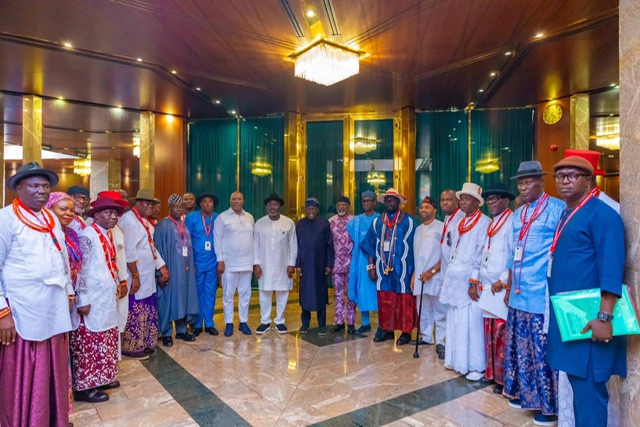
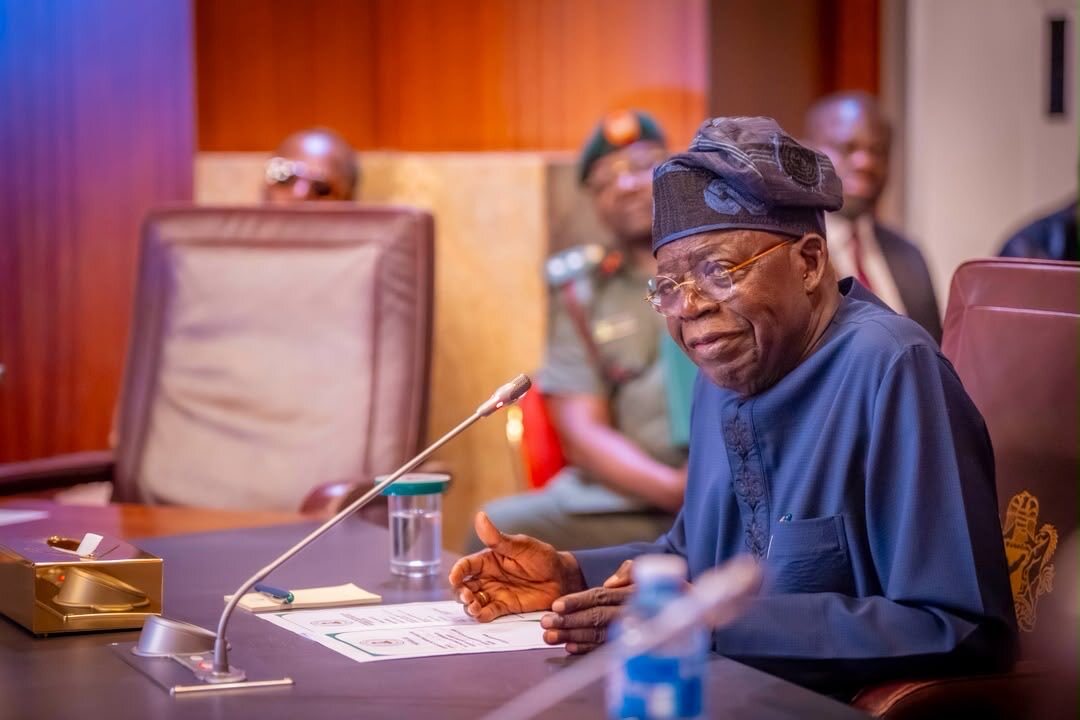
This position was shared in a joint statement from the Indigenous Ijaws and Urhobo Leaders of Warri Federal Constituency of Delta State. The statement came after a meeting with President Tinubu at the Presidential Villa, Abuja, on June 11.
This latest development comes after rising tensions over INEC’s implementation of a Supreme Court judgement. This judgement directed INEC to carry out a new delineation of wards and polling units in Warri Federal Constituency, which includes Warri North, Warri South, and Warri South-West local government areas.
Reports have shown the controversy around the delineation process among the three main ethnic groups in the area: Ijaw, Itsekiri, and Urhobo. This includes the shutdown of 13 oil and gas facilities by Ijaw and Urhobo groups, along with claims of political interference by Mr Tinubu due to his marriage ties with the Itsekiri.
According to the statement, the president called for the emergency meeting after weeks of protests by Ijaw and Urhobo stakeholders. There had also been an occupation of some oil and gas facilities in the region.
After meeting the president in Abuja, the Warri and Urhobo leaders asked the protesters to leave the oil facilities.
The leaders said Mr Tinubu, after discussions with Delta State Governor Sheriff Oborevwori and relevant agencies, found that the main dispute was about the makeup of electoral wards in Warri South-West Local Government Area.
They stated the president directed that the wards in the council should be adjusted to 11 for the Ijaw and nine for the Itsekiri.
Despite their concerns, the groups accepted the proposal for peace.
“We accepted the intervention not because we are satisfied, but as a mark of respect for the office of the President and Commander-in-Chief and in the interest of peace,” they said.
The leaders pointed out that this arrangement is different from INEC’s initial field report.
They explained that INEC’s assessment had recommended 14 wards for Ijaw communities and four for Itsekiri communities in Warri South-West because the Ijaw population makes up about 75 percent of the local government’s people, land, and communities.
They noted that political negotiations later increased the number of wards for Itsekiri communities from four to nine and reduced the Ijaw allocation from 14 to 11.
The statement also highlighted changes in Warri North Local Government Area, where Itsekiri wards rose from eight in the field report to 10 due to political interventions.
The leaders provided numbers showing how the final agreement differs from INEC’s field recommendations.
The April 2025 report suggested 27 wards for Ijaw communities across the three Warri local government areas, 21 wards for Itsekiri communities, and nine for Urhobo communities.
They claimed that political actions later cut Ijaw wards from 27 to 24 while increasing Itsekiri wards from 21 to 27. The Urhobo allocation stayed at nine wards.
Though they saw the outcome as unfair, the leaders accepted it to maintain peace and allow the delineation exercise to finish.
The statement also pointed to disagreements during talks about a presidential order for a Memorandum of Understanding (MoU) on power-sharing among the three groups.
Ijaw and Urhobo leaders suggested that political offices, including the two proposed federal constituencies, local government chairmanships, and commissioner roles, should rotate among the ethnic groups.
But the Itsekiri group opposed extending the arrangement beyond Warri Federal Constituency II. They argued that local government matters and appointments are under the Delta State Government’s powers.
The Ijaw and Urhobo leaders accused the Itsekiri representatives of trying to limit the agreement's scope.
Regardless, they agreed, on the advice of National Security Adviser Nuhu Ribadu, to move forward with a limited MoU to avoid delaying the delineation exercise.
The groups insisted that the compromise made through the President’s intervention should end any changes to the delineation report.
INEC has said it is ready to implement the delineation after a united stance from Warri, Urhobo, and Itsekiri stakeholders.
The groups warned they will oppose any further changes to the electoral wards, polling units, ward names, or any other part of the report INEC released on May 20.
They called on the electoral commission to upload the delineation report to its portal and quickly start voter registration and transfer in the new wards and polling units.
“We would not accept any further alteration to the delineation report in any form whatsoever and under any circumstances,” the statement said.
The leaders added that any delay in implementing the report could damage trust in both the Federal Government and INEC and might cause new tensions in the area.
The statement was signed by key Ijaw and Urhobo leaders like Godspower Gbenekama, an Ijaw leader and former spokesperson of the Gbaramatu Kingdom; Victor Okumagba, a well-known Urhobo leader and Warri political stakeholder; and Samuel Ako, a former member of the Delta State House of Assembly and Ijaw political leader, among five other leaders from the area.
The Warri delineation issue has become a sensitive topic in Delta State due to its effects on political representation and resource control among the Ijaw, Itsekiri, and Urhobo groups in Nigeria’s oil-rich Niger Delta.
Drop your comment
No comments yet — be the first to drop the gist 👇