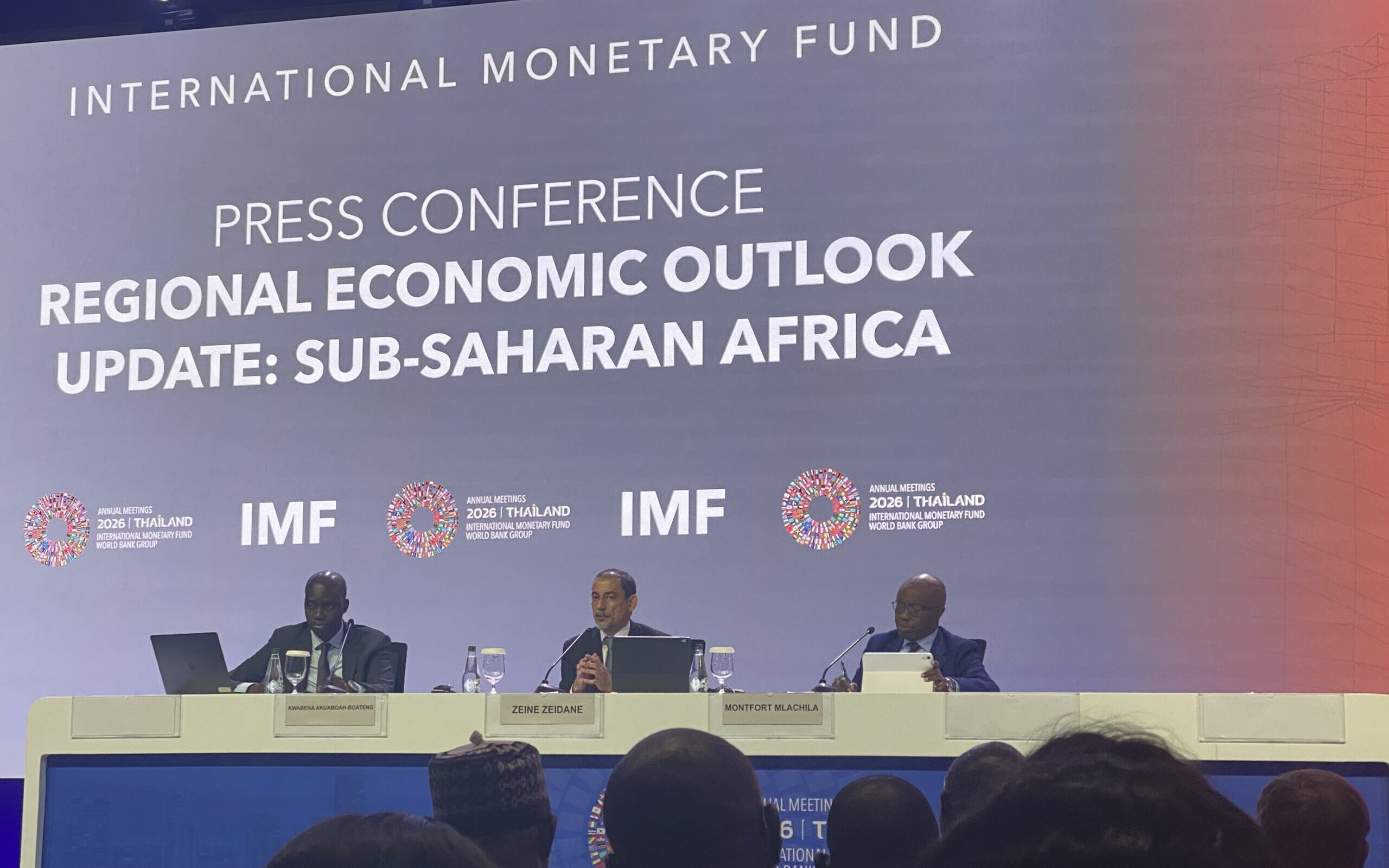
The International Monetary Fund (IMF) on Thursday called on the Nigerian government and other African nations to ensure that savings from removing subsidies are used to help poor and vulnerable people in their countries.
Zeine Zeidane, who is the Director of the African Department of the IMF, said this during the Regional Economic Outlook Update for Sub-Saharan Africa at the World Bank/IMF annual meetings in Bangkok, Thailand.
In response to questions about the challenges caused by subsidy removal in Nigeria and other African countries, Mr Zeidane emphasized the need for the government to take care of the poor. This is especially important as the cost of living has increased due to the removal of subsidies.
"On the question of subsidies, what I want to say is that as an institution, we recommend in general to governments to pay great attention to social protection and to protect the most vulnerable components of society."
He added, "It’s not specific to Nigeria. If you look at our programme, we have many programmes but we have always indicated a target on social spending. We care a lot about the most vulnerable components of society. Our advice on subsidies is that if you look at subsidies in general, and in particular energy subsidies, they benefit the most wealthy components of society."
Nigeria has launched several reforms aimed at improving the economy's structure, but many Nigerians are struggling with the rising cost of living. The government has made changes in the foreign exchange market, removed what it called a wasteful subsidy system, and introduced tax reforms.
While global development and financial institutions see these reforms as positive for Nigeria’s finances, many Nigerians are frustrated. They are facing high energy prices and inflation that affects their daily lives.

The IMF official clarified that subsidies do not help those who really need them, and they put a strain on government finances. He said, "So if you do a certain amount of subsidies, most of it is going to those who don’t need it. Our advice in many places has been to phase these subsidies gradually and make sure that what you save from the subsidy reform is well targeted to those who actually need it."
He continued, "It’s better to support people who need support than supporting products that can affect both your fiscal position and the import bills for oil, for example. So it’s important to have a targeted system of support for the most vulnerable components of society."
On the issue of monetary policy, the IMF noted that Nigeria has made good progress in lowering inflation, especially since it started from a high level and had a high interest rate.
Regarding growth, the IMF advised the government to raise more domestic revenue outside the oil sector. This would create space for funding education, health, and infrastructure.
The fund also suggested that Nigeria should continue its structural reforms to be more effective for private businesses. They believe Nigeria has a lot of energy, with many young entrepreneurs and a tech-savvy population. This makes it a large and attractive market for private investment.
The IMF stated that structural reforms in government, the business environment, and integration will help boost growth and create jobs. "So all this will certainly help accelerate growth and create jobs," Mr Zeidane said.
Drop your comment
No comments yet — be the first to drop the gist 👇