---
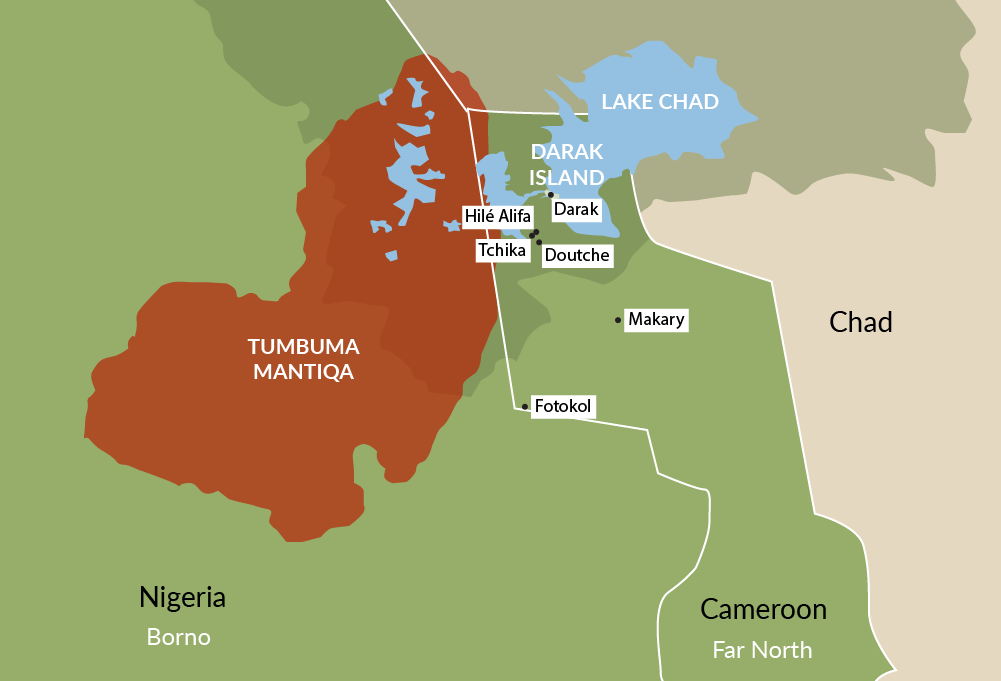
For over a year, Islamic State West Africa Province (ISWAP) has pressured communities in northern Cameroon’s Darak district. The group wants to extend its control beyond the Tumbuma Mantiqa region in northeast Nigeria. This area is a key hideout and a way for ISWAP to raise funds.
Darak is in a remote part of the Lake Chad Basin, making its population vulnerable. On February 5, ISWAP attacked Darak Island, displacing over 2,000 people. Residents are caught between the insurgents and security forces.
ISWAP imposes its ‘laws’ on locals. They force people to pay ‘taxes’ to show loyalty and keep the group funded. Security forces try to disrupt ISWAP’s activities, but they often abuse residents for being accused of collaborating with the insurgents. They also take things like canoes and phones.
ISWAP is looking to expand into at least three districts: Darak, Hilé Alifa, and Fotokol. This area is important for local trade, especially as Lake Chad shrinks. The rich fishing waters and fertile land are valuable, highlighted by a border dispute between Cameroon and Nigeria from 1994 to 2002.
Darak Island can only be reached by canoe and sits near ISWAP’s Tumbuma Mantiqa territory. The Darak district is a key transport hub close to the Nigeria-Cameroon border, and it is busy with fishing and trade.
ISWAP is drawn to the area’s weak government presence, making it easier to expand. Few officials live in Darak because the infrastructure is poor and often targeted by insurgents.
The group promotes its propaganda at community events like weekly markets. In January, they claimed Darak was part of their dawla (state) and said no military personnel were allowed. They demanded locals call them ‘Dan mallam’ (sons of the Prophet). They use shared beliefs and values, like Islam, to convince people to accept them.
During the floods of 2024, ISWAP spread the message that the rising waters, which increased fish numbers, were a blessing from God for their jihad. They claimed the flood damage was God punishing apostates.
This message spreads at weekly markets, through word of mouth, and on social media. Insurgents show images from their attacks to strengthen their ideology. They shout slogans while passing through villages and talk to fishermen, who then carry their messages back home.
Research from the Institute for Security Studies (ISS) shows that ISWAP has appointed three Cameroonian lieutenants: Malam Abaicho, Malam Abdulrahman from Makary, and Malam Djimé from Tchika. Their job is to bring the Darak area into ISWAP’s control.
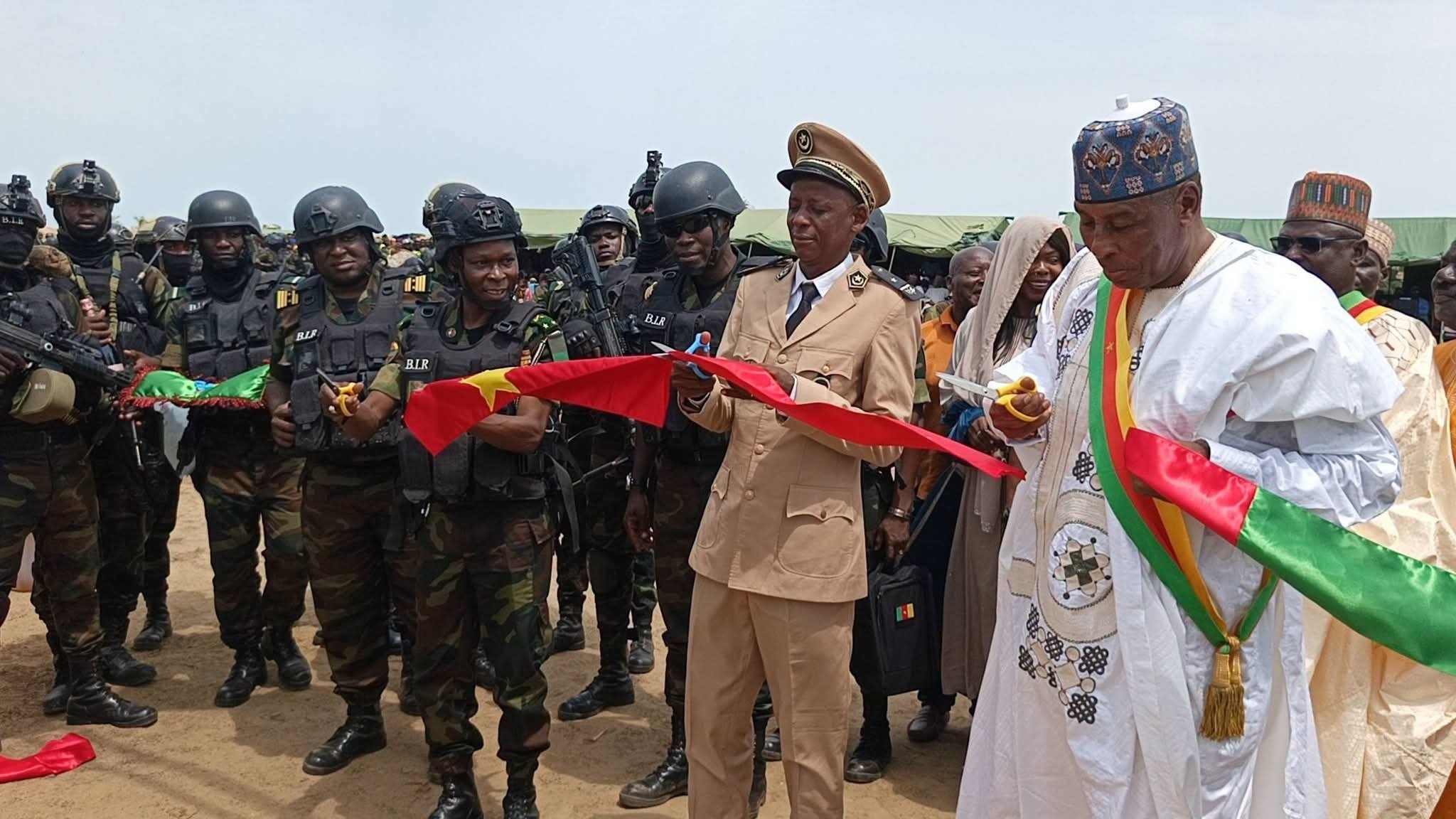

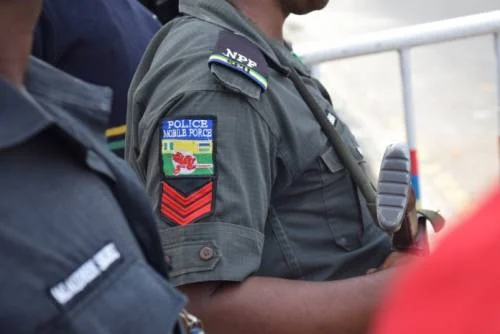
ISWAP backs up its claims by acting like the area’s new rulers. The ISS found cases of whipping, fines, imprisonment, and abductions since January.
In Doutché, herders were whipped and forced to pay ₦300,000 ($220) after an ISWAP ruling in a land case. Near Darak, herders were whipped for late tax payments. In Tchika, people were flogged for drinking alcohol, and farmers were beaten for entering fields without permission.
ISWAP aims to win over locals who have faced abuses from security forces by offering to remove the military from Darak. ISS sources say the group has attacked 10 military outposts this year, damaging state infrastructure and leading to the closure of Cameroonian military posts along the border.
These attacks show the army’s inability to protect locals and weaken the relationship between the people and the government. This situation has worsened civil-military relations and caused the shutdown of state services like schools and health centres. ISWAP’s actions are confusing Darak residents and may lead to more support for the group.
A change in military tactics is needed. Operation Alpha, launched in 2014 by Cameroon’s army and the Multinational Joint Task Force, must have more offensive operations to clear the area and dismantle ISWAP strongholds.
This means increasing troop numbers in Darak. Soldiers should be trained for marshy and hard-to-reach terrain using special military gear. This includes motorised canoes and tactical drones for close monitoring, medium-altitude drones for broad surveillance, and armed drones for targeted strikes.
Joint military efforts between Cameroon and Nigeria would help secure the border area. Nigeria is currently working on the Hadin Kai offensive against Boko Haram in Borno State. This could support Cameroonian operations through better intelligence and coordination.
Civil-military initiatives are also essential to build trust and cooperation between soldiers and locals. This can help raise public support for security measures. The goal should be to strengthen local communities against ISWAP’s propaganda.
If Darak falls under ISWAP’s control, it would embolden the group, threaten the area’s hard-fought sovereignty after the border dispute, and increase terrorism risks in northern Cameroon.


Drop your comment
No comments yet — be the first to drop the gist 👇