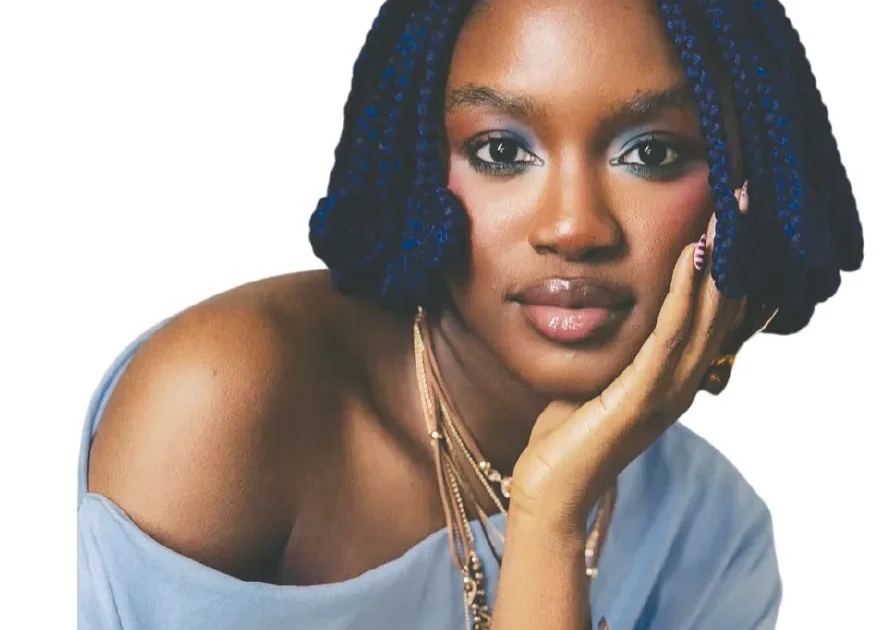
Jeiel Damina, an actress, singer, content creator and daughter of pastor Abel Damina, chats with Oreoluwa Odusanya about her career, family and more.
Looking back, what do you think young Jeiel would say about who you are today?
I think she would be proud and maybe a bit surprised. Young Jeiel had big dreams, but she didn’t know how brave she would need to be as she grew up publicly. I believe she would be happy that I am still creating, still curious and that I haven’t let the first version of me become a cage.
She would probably tell me to stop being scared and stop second-guessing myself. She was bold and knew what she wanted, going after it with her whole heart. I think she would remind me to trust myself and enjoy the journey more. Most importantly, she would say, “You kept going.”
How did you realize that acting and singing could be your career?
Acting just happened; I never thought about it seriously until it came to me like rain. Singing and writing always felt like natural ways for me to express things I couldn’t explain.
The shift came when people told me they saw themselves in a character I played or felt understood through something I created. I realized that storytelling could really touch people. I then began to care more about the craft, training, improving and understanding why a performance works. That’s when it became something I wanted to build my life around.
What kind of character challenges you the most as an actress?
The characters that challenge me most are the ones I can’t fully judge or understand. I’m drawn to people with contradictions. Someone who can make a bad decision and still have the audience feel for her. Those roles require you to explore the character instead of just showing her emotions.
What would you love to do that you haven’t had the chance to do yet?
I would love to take on more young-adult roles, especially fun, light-hearted romantic comedies filled with heart and laughter. I also want to explore action, fantasy and darker themes like thrillers. Playing a range of villains excites me too. I want to do period dramas based on Nigerian history or set in different places. My dream is to have a career that lets me move between different tones, characters and worlds.
What has been the hardest part of growing professionally while figuring out who you are personally?
The toughest part has been finding out who I am while others think they already know me. When people meet you young, they sometimes expect you to stay the same as the person they first met. But growth is meant to change you.
At the same time, I was trying to understand the industry and how it works. There’s so much you need to learn, and finding your way through it all was tough. I was trying to figure out where I fit, how to build my career, who to trust and how to advocate for myself.
I also learned that I can outgrow certain expectations, relationships and versions of myself without feeling guilty. I’m learning to balance being authentic and being accessible. This process has needed boundaries, which can be uncomfortable when people are used to having access to you.
What is one part of your journey that people rarely see?
People usually don’t see the behind-the-scenes work of the dream.
They notice the premiere, performances, photos or final projects but miss the auditions, waiting, rejection, contract talks, rehearsals, repeated vocal takes, travel, uncertainty and problem-solving that goes into it.
There’s a lot of planning behind my projects. Before anyone hears a song or sees a finished idea, there have usually been months of planning, budgeting, scheduling, coordinating and decision-making to ensure everything works together.
At times, you work hard without anything public to show for it. The glamorous moments are real but make up a small part of the job. Much of this career builds during quiet times when no one is cheering, and you still have to believe the work matters.
How has social media changed as you became more known?
I used to use social media more freely. As I grew, I realized that something shared casually can spread far and stay online for years. I’m still playful and honest, but I’m more careful about what I keep private.
Do you feel pressure to always entertain or be available to your audience?
There is pressure to stay visible, entertaining and always available, especially since audiences can feel distant if you take a break. But I’ve learned that being real doesn’t mean giving unrestricted access. I want my audience to know me, but I also need private time to stay whole and create from real experiences.
What is one lesson from someone you worked with that has influenced your career?
Growing up and working with my sisters taught me that the creative industry doesn’t replace hard work.
Talent may get you in the door, but preparation, consistency and how you treat people matter for growth. That lesson has pushed me to arrive prepared, stay teachable and respect everyone involved in bringing a project to life.
When the cameras are off, who is Jeiel?
When I’m away from work, I’m introspective, sensitive, playful and lost in my own world. I love writing, listening to music, spending time with loved ones, exploring visual ideas and diving into random research. I also need time alone to process things.

What do you enjoy that might surprise those who only know your public side?
Those close to me see a funny and silly side of me, but they also know I can spend hours deeply thinking about one idea. The public version of me is real, but it’s just one part of who I am.
What should your fans expect from you?
I’m stepping into a new phase of my music career. My next single, Story of My Life, will be out in mid-November. It’s one of my most personal songs, exploring childhood, growing up and the gap between dreams and adult life while keeping wonder alive. On the acting side, there are projects and talks I can’t fully announce yet. Fans should expect more of everything.
As your career grows, what areas of entertainment do you want to explore?
Definitely. I already write, so developing and producing my own projects feels like a natural step. I don’t want to just perform someone else’s vision; I want to help create stories and worlds from the start. Directing also interests me, but I would approach it with respect.
What has criticism taught you that praise couldn’t?
Criticism has taught me to be discerning. It has also shown me that being misunderstood won’t break me. Praise reveals what people like about you, but criticism makes you clarify your values, face insecurities and trust your own voice.
Looking back, what would you do differently?
I would learn the business earlier: contracts, rights, finances, how to build a team. I would be more deliberate about protecting my work and careful about giving access to people just because they seemed enthusiastic.
I wouldn’t erase my past mistakes since they shaped my instincts, but I would start with more structure, stronger relationships, greater consistency and less fear.
Has being more recognizable changed who you surround yourself with?
Yes, but I try not to view it cynically. Recognition can attract people who genuinely connect with you but also those interested in your access or public image. I’ve become more observant about consistency, discretion and if someone respects my boundaries when there’s nothing to gain. I still want to meet people openly, but I’m more careful about who comes into my private space. Familiarity isn’t the same as intimacy.
What is one thing people often get wrong about you because of your online persona?
People sometimes think that because I’m expressive, funny and confident online, I must always be extroverted and unbothered. In reality, I’m very sensitive, observant and private, and I can overthink almost everything.
I can confidently command a room or perform for an audience and still need hours alone afterward. My online personality isn’t fake; it’s a true part of who I am, but not the whole story.
What do you hope people say you stood for, not just as an entertainer, but as a person?
I hope they say I stood for honest expression, courage to evolve and the freedom to be multi-dimensional. I don’t want to be remembered only for talent or success. I want my work to make people feel seen, especially young African girls learning they don’t have to shrink themselves or pick just one dream.
Beyond my work, I hope people remember someone who was kind, principled, brave enough to stay human and willing to create chances for others. If my career helps people feel less alone and more capable of being who they are, that would mean everything to me.

Drop your comment
No comments yet — be the first to drop the gist 👇