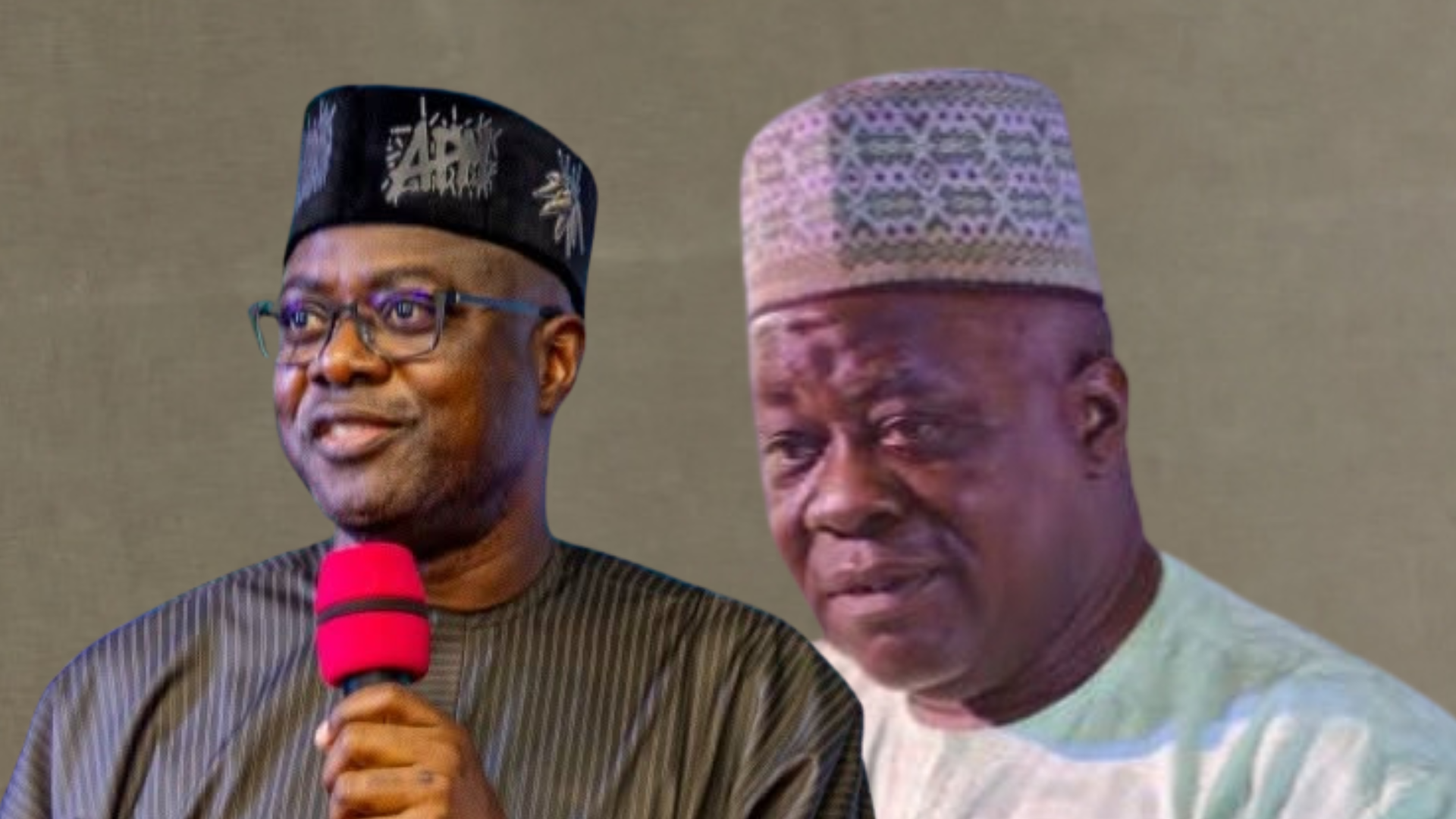
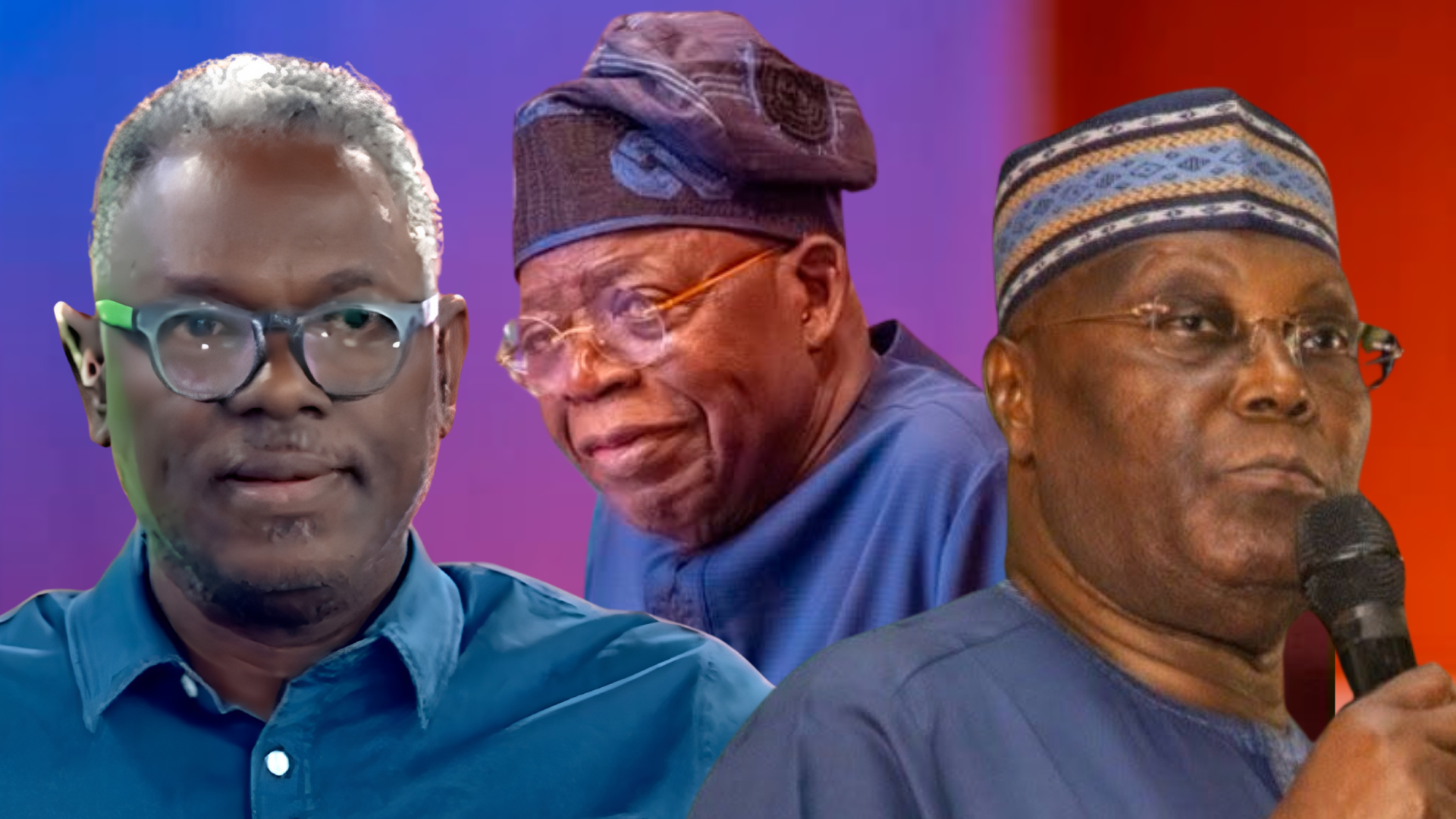
Professor of political science and Senior Fellow at the Centre for Democracy and Development, Jibril Ibrahim, has called the Judicial Commission of Inquiry set up by the Oyo State Government to look into the kidnapping of students and teachers in Oriire Local Government Area a necessary step.
Professor Ibrahim, who is part of the commission, said the inquiry allows for a look into the causes of the incident and what governments, security agencies, and communities can do to tackle the rising threat of kidnappings in Nigeria.
In a one-on-one chat with the Oyo State Commissioner for Information, Dotun Oyelade, Ibrahim noted that the commission’s findings showed that insecurity is now a national issue. He pointed out that attacks on schools have spread from the North-East to the North-West, North-Central, and now the South-West.
“I think it was an excellent idea for governor Seyi Makinde to establish this Judicial Commission of Inquiry,” Ibrahim said. He recalled the series of attacks on schools since the Chibok kidnapping in 2014.
He added that the Oriire incident proves that the issue of terrorism and banditry is no longer limited to any specific area in the country. He said the commission found important lessons about insecurity in Nigeria, including how terrorists and bandits operate in forests and tough terrains and still manage to survive for a long time.
“Terrorism has become extremely capable and has a lot of capacity and capability in terms of carrying out its nefarious activities. What we learned in what happened in Oyo State is that they’ve been able to achieve mastery of the forests, even in faraway Old Oyo National Park,” he said.
Professor Ibrahim pointed out that this situation should worry everyone in Nigeria. He stressed that the challenge needs a united response from the federal, state, and local governments, as well as communities.
He explained that the commission did not just focus on what security agencies could do. They also looked at the roles of state and local governments, communities, hunters, and vigilante groups who know the local areas well.
The professor praised the commission's makeup, describing it as balanced and composed of members with strong expertise on the issue.
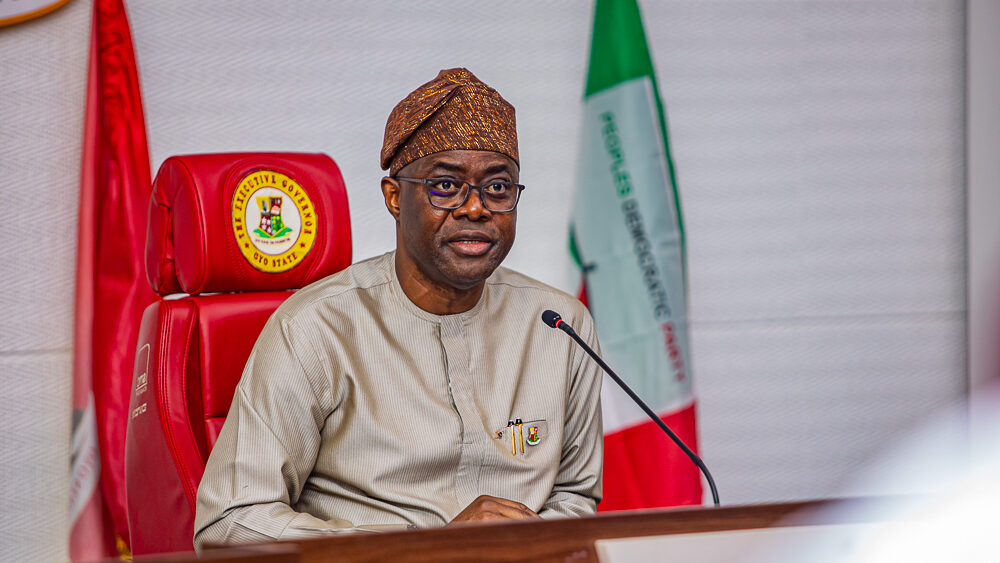
Professor Ibrahim shared that the commission interviewed as many as 72 witnesses during its investigation, calling the process fascinating and insightful. He also mentioned that some federal agencies, including the Department of State Services and the Office of the National Security Adviser, did not attend the proceedings despite being invited.
“At the level of Oyo State, we had access to everybody and they all turned up to speak to us. I think we learned a lot by listening to as many as 72 witnesses,” he explained.
On the ongoing presidential campaign, Professor Ibrahim said, “I don’t really think President Tinubu is president representing the Yoruba ethnic group. He is there as an individual who joined a political party and asked Nigerians to vote for him, and they voted, and he’s exercising that power.” According to the well-known political analyst, Governor Makinde’s rise as a presidential candidate is a big boost for democracy, especially given his track record as a two-term governor.
He added that having another politician from the same ethnic group but in a different political party should not be seen as a problem.
“The question that arises then becomes a tactical one. At what point in time do the different plural opposition candidates coalesce behind one of them to get a better chance of replacing the incumbent?” he asked.
He also expressed hope that an opposition consensus could still come together before the 2027 elections. He pointed to a recent communique from the G100 group, which he said proposed a way to achieve consensus ahead of the polls.
Professor Ibrahim said such an agreement could help the opposition increase their chances of winning the next presidential election, while emphasizing the need for the 2027 elections to be free and fair.
Drop your comment
No comments yet — be the first to drop the gist 👇