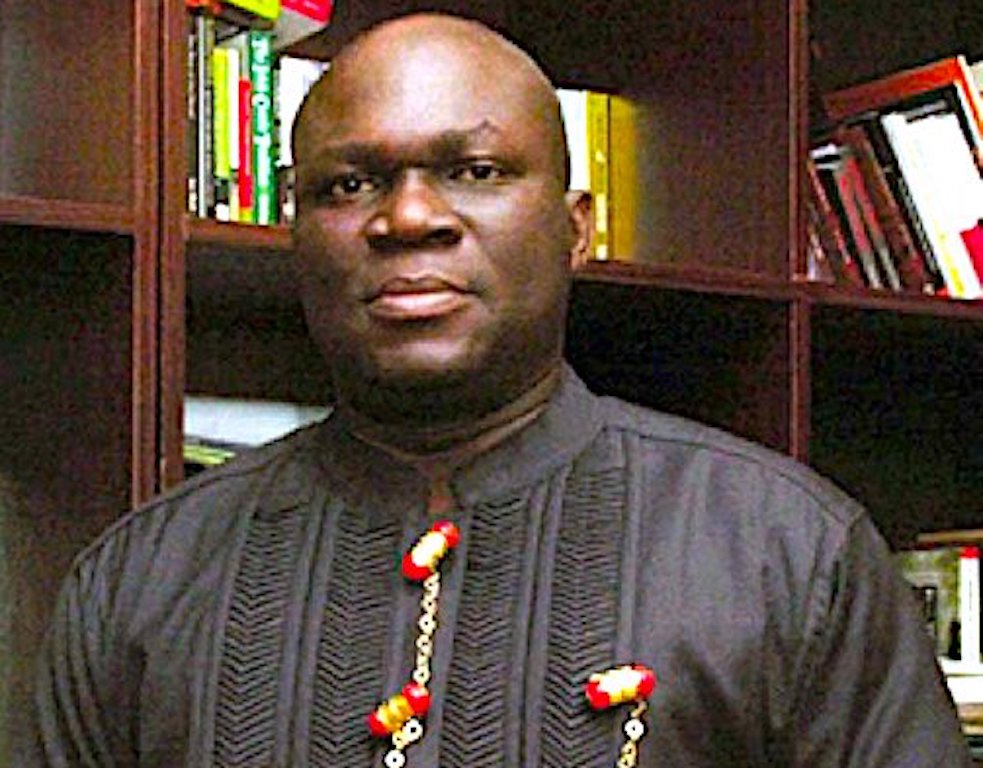
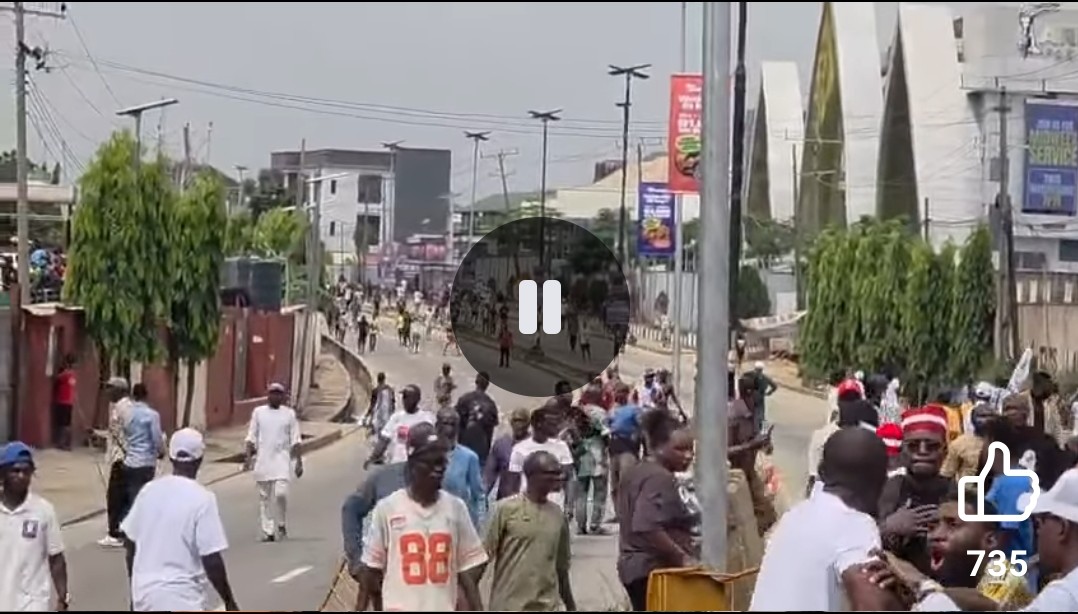
When we look closely at how elections are run in Nigeria, we see that dance is a big part of the campaign season. No political rally feels complete without the candidates and their supporters dancing. We see many dance styles, turning these rallies into shows full of energy, color, and excitement. Of course, music accompanies the dancing. It would look strange for someone to dance on stage without music, even though there are forms like mime and pantomime. These are not really fitting for the high-energy world of political campaigns. Dancing is also common in Africa, as dancing and music are part of our culture. Dance connects people through movement, sound, and expression. Dance is a universal way to communicate feelings like joy and hope, and it can also express protest. Since ancient times, dance has helped people connect with each other. In Nigeria, with elections coming up, we see politicians dancing more than ever, almost like a competition, with some putting their all into it, as if they are trying to earn a prize.
Dance is more than just fun; it is a way to express oneself. But many politicians seem to lack skill in their dancing. Dance should be graceful and dignified, but what we often see on stage is not that. Some politicians need lessons from dance professionals to improve their skills. At campaign events, we see musicians, decorators, event planners, and fashion designers, but dance teachers are usually missing. It is entertaining when politicians try to dance for the crowd, but many lack coordination. I am not saying that they need to become expert dancers, but their awkward moves can be funny. Some politicians are becoming famous for their dance moves. Even President Bola Ahmed Tinubu has joined in.
Recently, President Tinubu has been dancing at rallies. To get him moving, two songs usually do the trick: "Omo Ologo" by Rarara or his favorite, "Bola, On Your Mandate We Stand." When he hears these songs, he lights up, smiling and dancing. Rarara, who wrote "Omo Ologo," is now one of Nigeria's most popular musicians. He sang for former President Muhammadu Buhari, and now he has Tinubu's favor. Rarara’s song means "a child of glory" in Yoruba, fitting for Tinubu's rise to power. It hits a chord with Yorubas who value poetry and praise. Rarara might become a palace musician, a role that has a long tradition in many cultures. When it’s not "Omo Ologo," Tinubu enjoys dancing to "On Your Mandate We Shall Stand," a song that is not credited to anyone but rallies the All Progressives Congress (APC) members. This song gets him excited, and he shows off his dance moves. We have seen him dancing in Dutse, Jigawa State, and in Uyo, Akwa Ibom State, to Duncan Mighty’s "Port Harcourt Boy." His style includes raising his hands and shuffling sideways, which his supporters find entertaining. We can expect to see more of him dancing before the elections.
Now, let’s look at other politicians who love to dance. Governor Ademola Adeleke of Osun State stands out as a true symbol of dance in politics. He danced his way to a second term and has a larger-than-life personality. Whenever he appears, people expect him to dance or sing, even if there is no music. He moves to his own rhythm and keeps the crowd happy. Adeleke plays instruments like the talking drum and speaks both Igbo and Yoruba. But his dancing is not just for show; it masks his smart political strategies. He connects with the people’s needs and faces challenges well, even with a strong federal presence against him. He recently joined Tinubu’s campaign, despite being the founder of the Accord Party in Osun State. Music runs in his family; he is the father of singer B-Red and uncle to Afrobeats star Davido. The Silverbird Group named him Nigeria’s Man of the Year for his skills in balancing politics and entertainment.
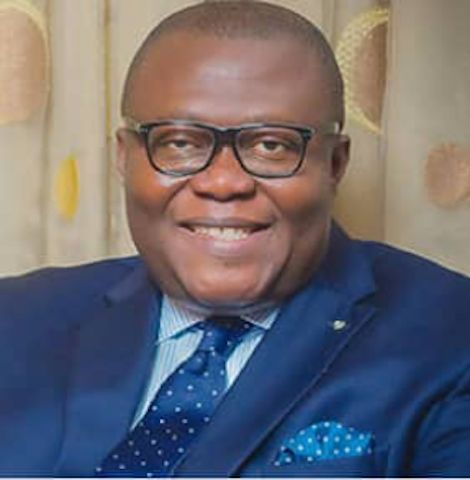
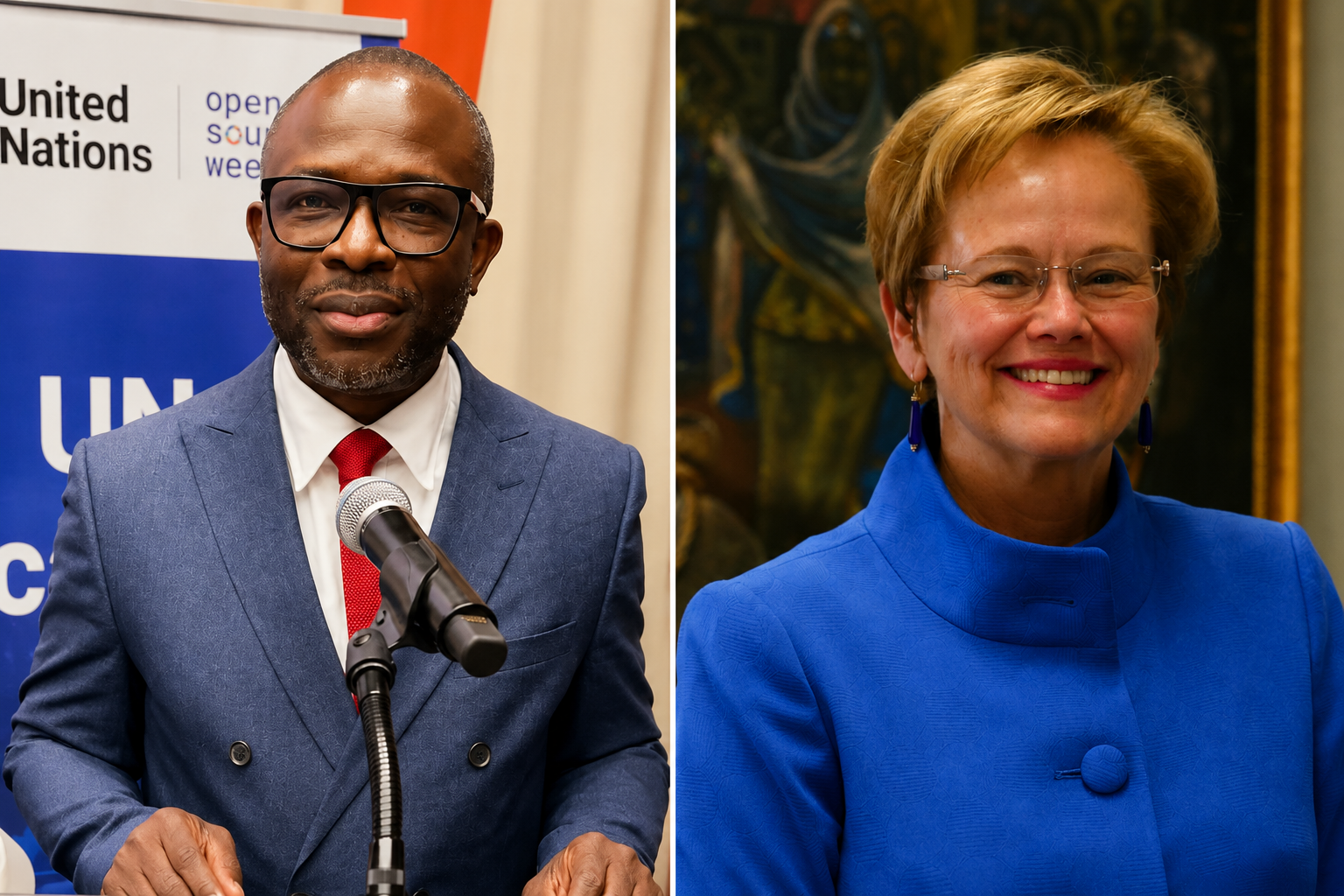
Adeleke has inspired many others. Now, many governors in Nigeria are dancing. Governor Lucky Aiyedatiwa of Ondo State is usually quiet but has shown energetic moves at events like the Ondo Night of Praise Concert. Governor Babajide Sanwoolu of Lagos also dances, especially when celebrating with the Flamingo Champions after their FIFA U-17 Women’s World Cup win. Other dancing governors include Prince Dapo Abiodun of Ogun State, Professor Chukwuma Charles Soludo of Anambra State, and Governor Monday Okpebholo of Edo State. Interestingly, dancing is not a requirement for being a leader, yet these governors are showing their moves. Even Father Hyacinth Alia, the Governor of Benue State, has danced at public events, raising questions about whether a priest should be seen dancing. But the truth is, the Catholic Church is quite liberal compared to popular belief. Alia dances to popular tunes, engaging his audience, and he has been seen dancing with children at rallies.
As we look at the upcoming 2027 elections, we see some politicians like Peter Obi and Atiku Abubakar holding back from dancing. Do they know how to dance? But we have seen others like Comrade Adams Oshiomhole and Vice President Kashim Shettima bringing joy to the dance floor. Oshiomhole, at 74 years old, can outdance much younger people. He can groove to any music, whether it is KWAM 1 or Kizz Daniel. His energy is amazing and he has been consistent in entertaining crowds. Senator Shettima is also emerging as a dance presence, known for his sharp wit and lively moves.
In Nollywood, Osita Iheme has criticized dancing politicians, saying they should focus on important issues instead of dancing. While the issues are vital, a little entertainment is not a bad thing. Let the politicians sing and dance!

Drop your comment
No comments yet — be the first to drop the gist 👇