As Nigeria gets closer to the 2027 general elections, a worrying trend is showing up. The way politicians talk is getting more threatening and intolerant. Some statements are downright dangerous. Politics should not be a fight to the finish, and elections should not feel like a war.
Political opponents are not enemies, and citizens backing a different party have done nothing wrong. Democracy is built on one key idea: the people should choose their leaders without fear, threats, or violence.
Sadly, many Nigerian politicians seem desperate and willing to go to any length to win. We see vote buying, threats, intimidation, ballot snatching, and endless court cases. This intense hunger for power often makes the voters, the real backbone of democracy, an afterthought. What is most worrying as we approach 2027 is the rise of inflammatory political language.
Take the case in Kuje Area Council of the Federal Capital Territory. A viral video showed the council chairman, Danjuma Shekwolo, stating that residents had to support the All Progressives Congress, APC, or leave. This statement was rightly condemned since no elected official owns Kuje, and no Nigerian should be forced to support a party to live peacefully anywhere in the country.
Shekwolo later said he had no right to take away residents' rights. But the damage was done. His words showed a dangerous mindset. It suggested that citizens could be forced into political loyalty and that disagreeing with those in power could have consequences.
That is the real danger. When powerful people speak carelessly, their followers might take them seriously. A politician can later claim to be misunderstood, but political language matters. It is clear that what politicians cannot do seems to not exist. Words can stir up anger, legitimize intolerance, and encourage those willing to use violence for their party or leader.
The Osun governorship election is a significant warning and a good example. The campaign was filled with accusations of threats, violence, intimidation, and attempts to manipulate the election process. Remarks from political figures included threats against opposition supporters, while claims of rigging and voter intimidation became common. These developments increased anxiety leading up to the election.
When the election finally took place on August 15, 2026, people voted, and INEC declared Governor Ademola Adeleke of the Accord Party the winner, with 511,067 votes against 444,815 for the APC candidate, Bola Oyebamiji. The margin was 66,252 votes. Regardless of the political discussions afterward, the main lesson is clear: in a democracy, the power must remain with the people, not with politicians who use threats to gain support.
Osun should be closely examined as Nigeria gears up for 2027. Political threats and inflammatory talk should not be seen as just part of campaigning. Every threat needs to be looked into, and any politician who crosses the line into incitement or intimidation must face consequences, regardless of their party.
This troubling trend is not limited to one party, one state, or one politician. Reports and issues involving political figures in Osun, Kuje, and other areas should be a concern for all Nigerians. Today, the target may be an opposition supporter, and tomorrow it could be a member of the ruling party who refuses to follow a local political leader. Once people start believing that those in power can dictate where they live, whom they support, or how they vote, democracy itself is at risk.
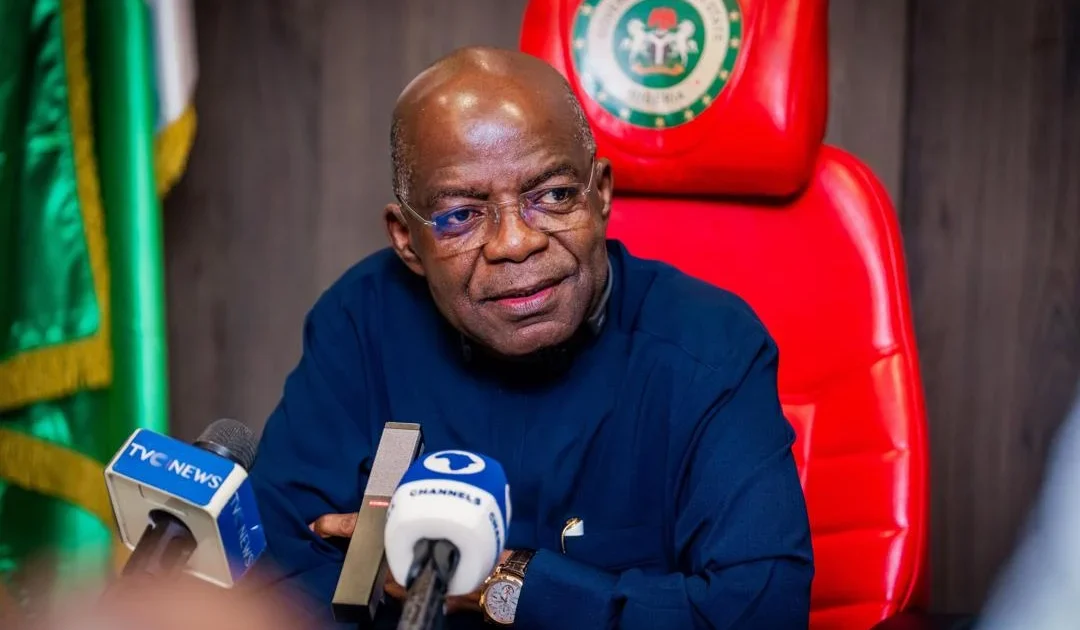
Comments from Ebonyi State governor Francis Nwifuru are even more concerning since they were aimed at local government chairmen. While swearing in newly elected chairmen, Nwifuru warned that any chairman whose local government failed to deliver victory for APC in 2027 would be removed. He reportedly told them that if they allowed opposition politicians to "mess" up in their areas, they should "deal with that person mercilessly."
He added that he wanted the threat made public and that the government would use councillors to remove any chairman who failed to deliver votes to the APC. If a council chairman's job is dependent on getting all votes for the ruling party, what happens to neutrality and opposition votes?
Kebbi State has also joined this troubling conversation. Governor Nasir Idris has been seen in a widely shared video making comments about fighting and chaos related to the 2027 elections. Other reports have quoted political figures in the state, warning of consequences for anyone not supporting the APC.
A frightening moment happened in Kano when politics was mixed with religion. At a mass wedding organized by the Kano State government for 1,500 couples, Islamic cleric Sheikh Sani Yahaya Jingir reportedly urged Muslims to back the Muslim-Muslim presidential ticket and warned that Christians would face their "limits" if they did not support it. Senior political figures, including Kano State governor Abba Kabir Yusuf, attended the event.
The comments drew strong condemnation from civil society and political groups. What makes this situation especially troubling is that Jingir did not backtrack or apologize. Instead, reports say he defended his remarks. This is where Nigerians must draw the line. Is Jingir trying to turn political disagreements into a religious conflict?
There is nothing wrong with a Muslim supporting a Muslim-Muslim ticket. Likewise, a Christian can support a Christian candidate or a Muslim-Christian ticket. In a democracy, citizens can make political choices based on religion, beliefs, competence, character, performance, or any combination of these.
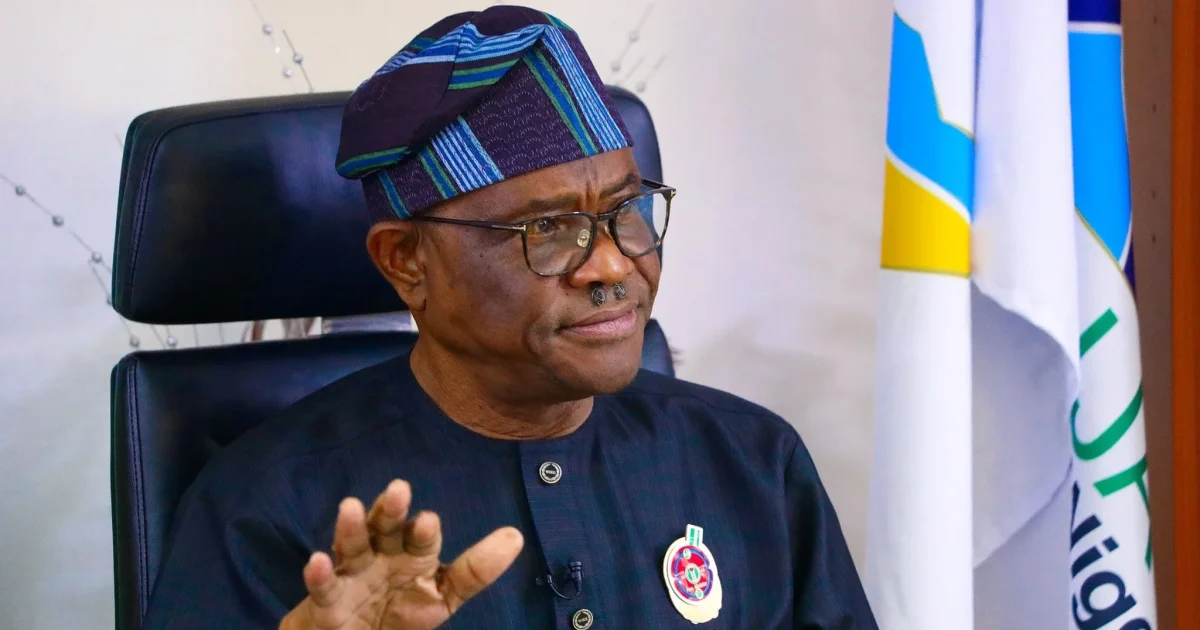
Another statement that needs attention is the one from the Minister of the Federal Capital Territory, Nyesom Wike, who said he would "deliver" Rivers State and the FCT to President Bola Ahmed Tinubu in 2027. Wike has repeatedly expressed his support for the President and said he is in control of political structures in both Rivers State and the FCT. But Nigerians can ask an important question: how does one politician "deliver" an entire state and the Federal Capital Territory to another?
In a true democracy, Rivers State and the FCT do not belong to Nyesom Wike; they belong to the people who have the right to make their choices through voting. Politicians can campaign for their preferred candidates, mobilize party members, persuade voters, and use legitimate political structures. That is democracy, but saying they will "deliver" entire states can create the impression that election results have already been arranged or controlled by political elites.
Minister Wike needs to explain what he means by "delivering" Rivers State and the FCT. Will it be through persuasion and proper campaigning? Will it rest on better policies and performance? Or does this language suggest a worrying belief that political structures, public institutions, or government machinery can be used to decide what voters choose? Nigerians deserve answers because 2027 must not be an election where the people merely endorse decisions already made by political elites.
The media has a big job to do. Journalists must not normalize dangerous political talk just because it gets headlines, social media shares, and TV ratings. Threatening statements need to be reported accurately, put in context, and followed up. When politicians threaten opponents, the media should ask: what does the law say? What is the police doing about it? Has INEC responded? What actions are being taken to protect voters?
The media should also fact-check claims and expose misinformation meant to stir ethnic, religious, or political tensions. Politicians should not be allowed to make an inflammatory statement one day and then quietly retract it the next after their intended message has reached their followers.
Civil society groups must also act as early-warning systems. They should track hate speech, threats, intimidation, vote buying, and politically motivated violence. They should educate citizens about their rights and create ways to report and verify threats. Democracy cannot be defended only on election day; it must be defended every day leading up to the election.
Security agencies have the most immediate responsibility. The police, the Department of State Services, and other relevant agencies must act fairly and professionally. A threat from a powerful politician must be treated the same as a threat from an ordinary person. There should be no sacred cows. Politicians should not be called in for questioning just to satisfy the public and then allowed to leave without clear outcomes.
The message must be simple: political power does not protect anyone from the law. INEC must also build public trust. Nigerians want an electoral body that is truly independent, transparent, and ready for every attempt to undermine the process. The commission must secure the voter register, enhance the integrity of technology used in elections, ensure results are transmitted transparently, and resist any form of political pressure.
Most importantly, INEC must prove to Nigerians that their votes will count. International election observers should not wait until a few days before polling to come to Nigeria. The warning signs are already there, and the language is getting toxic. Both international and local observer groups should watch the entire electoral environment, including campaign financing, vote buying, political intimidation, misuse of state resources, hate speech, and threats against opposition supporters, not just what happens at polling units.
The security situation will also shape the outcome and credibility of the 2027 elections. Nigerians cannot freely exercise their democratic rights if they are scared to travel, gather, or vote. Economic hardship is another major issue. Hunger, unemployment, and poverty make it easy for vote buying to thrive. A hungry voter can easily be swayed by a politician offering cash, rice, garri, noodles, or vegetable oil on election day.
This is why protecting democracy is linked to protecting human dignity and economic opportunities. A citizen who is struggling financially is more open to political manipulation, and a citizen who fears violence is less likely to vote freely.
As 2027 approaches, Nigerians must stay alert and push back against threats, intimidation, and the language of political dominance. We insist that no politician, no matter how powerful, owns a state, a local government, a community, or its people. Every part of Nigeria, as stated in the Constitution, belongs to Nigerians who have the right to choose their leaders freely.
Above all, Nigerians must defend their democracy peacefully but firmly. Our votes are not the property of governors, ministers, party leaders, senators, or political elites. No politician should dictate whom we support, where we live, or how we vote. We want free, fair, and credible elections in 2027. That should not be too much to ask in a democracy.
The struggle for Nigeria’s democracy will be won when Nigerians firmly insist that only the people can deliver their votes, and only at the ballot box.
Drop your comment
No comments yet — be the first to drop the gist 👇