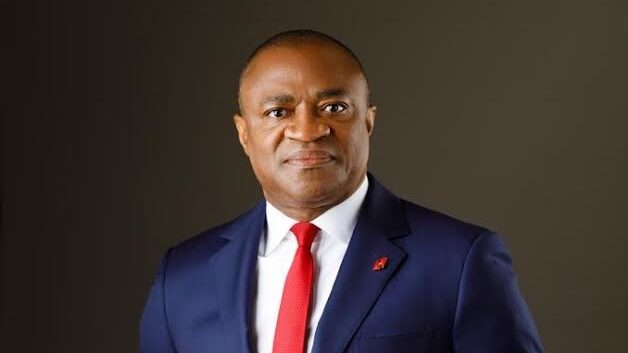
Group Managing Director of United Bank for Africa and Chairman of the Body of Bank CEOs in Nigeria, Oliver Alawuba, has shared a plan for creating a strong Nigerian economy. He called for clear policies and better teamwork between the public and private sectors to change economic stability into shared prosperity.
Alawuba made this statement while giving his goodwill speech at the 19th Annual Banking and Finance Conference of the Chartered Institute of Bankers of Nigeria (CIBN) in Abuja on Tuesday, September 8, 2026.
Speaking on the theme of the conference, “Building a Resilient Economy in an Era of Disruptions: Imperatives for the Banking and Financial Services Industry,” Alawuba said that Nigeria needs to intentionally design resilience into its policies, institutions, infrastructure, supply chains, energy systems, financial structures, and workforce.
He explained that a resilient economy does not mean it never faces challenges but can handle, adjust, and move forward without making the most vulnerable citizens bear the full cost of every setback.
Alawuba pointed out that the global economy is still facing major disruptions, from geopolitical conflicts to changes in energy and shipping markets, and inflation. He said it is crucial for Nigeria to set up systems that can handle future shocks instead of just reacting after they happen.
He praised the Federal Government and the Central Bank of Nigeria (CBN) for their better coordination between fiscal and monetary policies. He noted that recent improvements in key economic indicators mark important steps in Nigeria’s journey to stabilization.
He added that these successes must now create wider economic chances and better living standards. He also highlighted how important the banking industry is to Nigeria’s resilience, calling banks the country’s “financial shock absorbers and growth partners.”
Alawuba pointed out that ₦4.65 trillion was raised by 33 banks during the recent recapitalization exercise. This is a big move to strengthen capital adequacy, asset quality, balance-sheet transparency, and investor trust, while also increasing the industry’s ability to handle shocks and support bigger projects.


According to Alawuba, the banking sector is becoming more resilient through increased investment in digital infrastructure, cybersecurity, and operational strength. He mentioned that four major banks invested over ₦119 billion in technology in the first quarter of 2026, a 43.2 percent rise compared to the previous year.
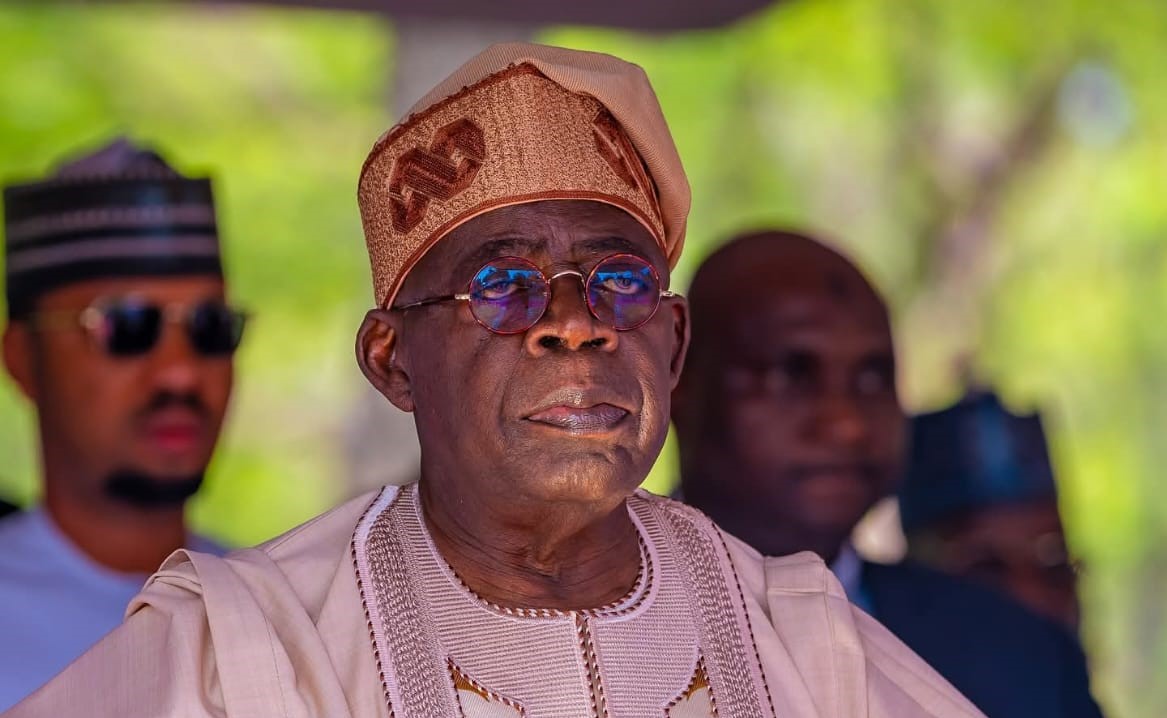
At the event, President Bola Ahmed Tinubu, represented by the Minister of Finance and Coordinating Minister of the Economy, Taiwo Oyedele, urged the banking industry to go beyond just expanding balance sheets and making profits. He wants them to finance productive businesses that can lead to more investment, job creation, and economic growth.
The President said the next stage of Nigeria’s reform should focus on moving from just managing finances to transforming the economy. He pointed out that affordable credit, financial inclusion, technology, and long-term capital are key factors for a stronger financial system.
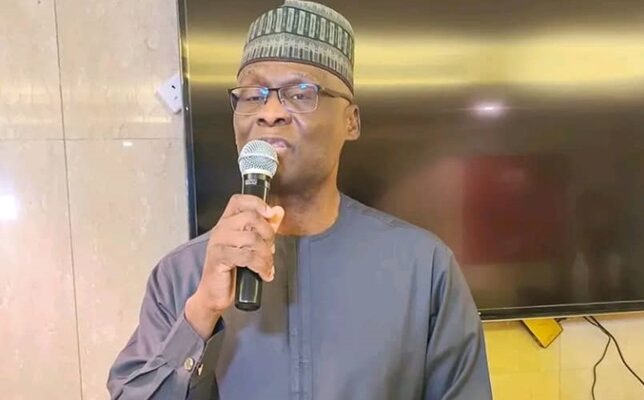
CBN Governor, Olayemi Cardoso, represented by Deputy Governor, Economic Policy Directorate, Philip Ikeazor, also emphasized the need for a strong banking sector to keep Nigeria’s economic recovery going. World Bank Country Director for Nigeria, Mathew Verghis, urged banks to invest more in businesses that can create jobs.
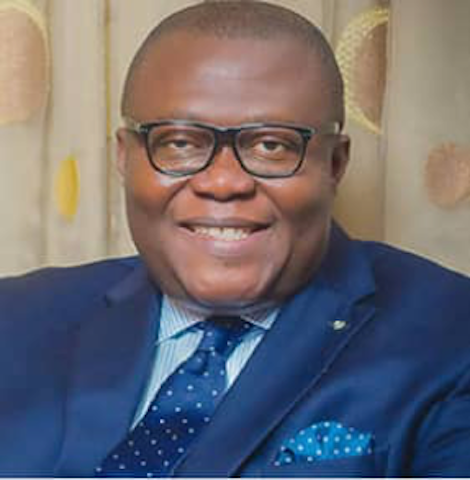
President/Chairman of Council of CIBN, Dr. Dele Alabi, stressed that the real test of Nigeria’s economic reforms will be whether better macroeconomic indicators lead to lower living costs, more jobs, better incomes, and affordable credit for citizens and businesses.
In his closing remarks, Alawuba reiterated the banking industry’s willingness to work with the Federal Government. He urged all stakeholders to make sure that the resilience being built in the financial sector leads to real economic chances and a better future for Nigerians.
Drop your comment
No comments yet — be the first to drop the gist 👇