
The Chartered Institute of Bankers of Nigeria (CIBN) has urged Nigerian banks to use their newly raised capital to finance micro, small, and medium-sized enterprises (MSMEs). They say lending more to this sector is key to boosting economic growth and reaching Nigeria’s goal of a $1 trillion economy.
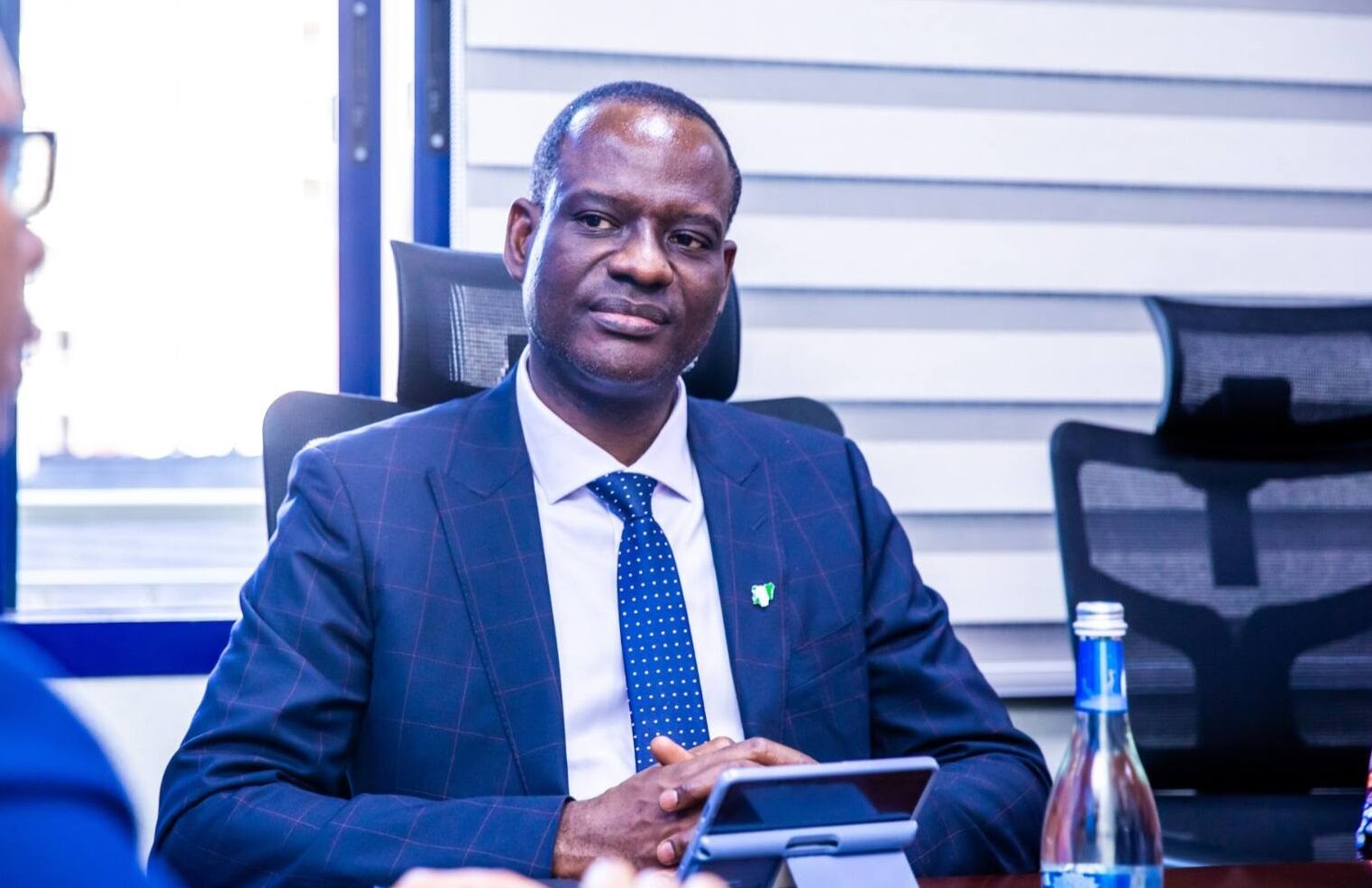
Dele Alabi, President and Chairman of the CIBN, made this statement at a press conference for the institute’s 19th Annual Banking and Finance Conference. This event is set for September 8-9 at the Congress Hall, Transcorp Hilton, Abuja.
The conference, themed “Building a Resilient Economy in an Era of Disruptions: Strategic Imperatives for the Banking and Financial Services Industry,” will gather policymakers, regulators, financial institutions, development partners, technology innovators, academics, and business leaders. They will discuss the future of banking and finance in Nigeria.
$1 trillion economy
During a question-and-answer session, Mr Alabi noted that the recent recapitalisation of banks has strengthened their balance sheets. But he stressed that this extra capital should be used for productive areas of the economy instead of just staying in government securities and large corporate loans.
“Capitalisation provides a buffer for shocks. It protects banks’ balance sheets, but it does not stop there,” he stated.
He explained that the banking scene has shifted, especially as lower interest rates and tighter borrowing margins from top companies make the old ways of using bank funds less appealing.
“Smart bankers, smart bank CEOs have to think of a more clever way to use this capital. Capital is not cheap. It costs more than debt. Equity capital is more expensive than debt capital,” Mr Alabi said.
The CIBN president urged banks to explore financing for MSMEs, which he called essential for economic growth, especially in emerging markets.
He added that this shift would support the CIBN’s vision of making finance accessible to all, which is a priority for the Institute.
Mr Alabi explained that financial inclusion should go beyond just access to basic services. It should also ensure small businesses can get the finance they need.
“MSMEs are the main source of growth for the economy. Not just in Nigeria, but in emerging markets worldwide, MSMEs drive the economy,” he said.
He argued that more financing for SMEs would benefit not just banks but also create jobs, boost business activity, and support economic development.
The CIBN president linked the banking sector’s support for productive businesses to Nigeria’s goal of significantly expanding its economy.
He said the financial services sector is key to helping the government achieve its long-term economic goals because it mobilises savings and allocates funds to productive activities.
“It is widely accepted, and there is evidence to show that an economy cannot reach the $1 trillion mark without the support of the financial services sector,” Mr Alabi said.
He added that the banking industry is ready to help the Federal Government reach its goal of growing Nigeria’s economy significantly.

“As a group in the financial services industry, we are really ready to support the federal government in growing Nigeria's economy in the near future,” he stated.
September Conference
At the upcoming two-day conference in September, Mr Alabi described it as timely due to technological changes, global uncertainties, evolving customer needs, cybersecurity risks, and climate challenges facing the world economy.
He said resilience has become an important quality of successful financial systems. The conference will offer a platform for policymakers, regulators, financial institutions, and technology innovators to discuss issues shaping the future of banking, finance, and the economy.
He noted that the conference matches the direction of his administration under the Institute’s IMPACT vision, which focuses on Inclusion, Membership Economy, Professionalism and Ethical Conduct, Accountability, and Enhanced Financial Performance, Competencies and Skills Development, and Technology, Automation and Innovation.
Through the Conference, we aim to equip industry practitioners with insights, strengthen institutional abilities, and encourage discussions that will boost innovation while reinforcing professionalism and ethical standards in banking. This will help position Nigeria’s banking profession to compete on the global stage,” Mr Alabi said.
The CIBN president mentioned that more than 10,000 delegates from Nigeria and beyond are expected to attend the conference.
Expected participants include banking executives, regulators, government officials, development partners, academics, fintech leaders, investors, and other stakeholders in the financial ecosystem.
Moruf Oseni, Chairman of the Consultative Committee for the 19th Annual Banking and Finance Conference and Managing Director/CEO of Wema Bank Plc, also spoke at the briefing. He was represented by the Director of Southwest and Specialised Business at Wema Bank. He said the conference will provide valuable insights and recommendations for strengthening institutions and positioning Nigerian banks for growth.
Mr Oseni added that the conference will serve as a platform for stakeholders to share ideas, experiences, and develop practical solutions to challenges facing the financial services sector and the economy.
“As usual, the resolutions from the Conference will be documented and sent to relevant stakeholders and policymakers as a communique to support decision-making, policy formation, and alignment with global best practices,” Mr Oseni said.
The organisers mentioned that President Bola Ahmed Tinubu, Vice President Kashim Shettima, Minister of Finance and Coordinating Minister of the Economy, Taiwo Oyedele, and Governor of the Central Bank of Nigeria, Olayemi Cardoso, are among the dignitaries expected at the event.
According to Mr Oseni, other participants will include leaders from government, regulatory bodies, development organisations, and the private sector.
Conference sessions
The conference will include three business sessions focusing on major challenges and opportunities in the financial services industry.
The first session is titled “Shaping the New Financial System for Nigeria’s Prosperity: The Role of Recapitalisation, AI and Geopolitical Dynamics.” It will look at the impact of bank recapitalisation, artificial intelligence, and global events on Nigeria’s financial system.




Drop your comment
No comments yet — be the first to drop the gist 👇