Artificial intelligence is changing how we work, learn, play, think, and relate to each other. It is already making a big difference in medicine, education, scientific research, and how we produce goods. If used properly, AI could help people achieve more than many technologies in history.
But this same technology can increase inequality, spread false information, deepen political divides, and make it harder to tell real communication from fake messages. AI can help people understand their world or twist what people think about it. The big question is, what kind of societies will AI help us create?
For Nigeria, this question is becoming urgent. Presidential and National Assembly campaigns will officially start on 19 August. Nigerians will vote on 16 January 2027, and there will be governorship and State Assembly elections on 6 February. But much of the political fight will happen before people get to the polls. It will happen on X, Facebook, TikTok, Instagram, YouTube, and WhatsApp. This includes viral videos, memes, influencers, anonymous accounts, and more AI-generated content.
Democracy Counts on Public Discourse
We usually measure democracy by looking at institutions like elections, constitutions, courts, political parties, and legislatures. These things matter a lot. But democracy also lives or dies in how we talk to each other and interact daily.
Do we still see the humanity in those we disagree with? Can political opponents discuss issues without turning against each other? Do citizens believe that democratic institutions will listen to them? Do people feel they can work together to improve their communities? What happens when distrust, humiliation, ethnic tensions, or political hopelessness dominate public conversations?
These questions led us at the Global Centre for Rehumanising Democracy to create the Democracy Discourse Index (DDI). This tool uses human research and artificial intelligence to check the quality of public discussions. We see it as taking the vital signs of democracy. The system looks at large amounts of public conversations against four key areas: empathy, civility, trust language, and democratic agency.
This is important because dangerous political situations do not happen overnight. Before people become enemies, they learn to describe one another that way. Before citizens stop trusting democratic institutions, distrust and hopelessness become normal. We have seen this in our studies in Rwanda, the Democratic Republic of Congo, and Eastern Europe. If we can spot these changes early, democratic societies can respond better.
There is another side to the DDI that we think is especially important for Nigeria. One of the biggest questions every society faces is how we prepare young people to live responsibly in a world full of AI. Youth must have the knowledge, digital skills, and ethical guidelines to use these technologies to improve their societies. Education must go beyond just digital skills. Students should learn how to use AI to assess information and engage with their communities and countries.
Teaching students just how to use ChatGPT will not be enough. They need critical thinking skills to understand bias, misinformation, and how algorithms work. They also need an ethical framework for deciding how to use technology properly.
For the past year, we have been running an interesting project with university students and faculty. Students and academics in Pakistan, Albania, Greece, Bulgaria, North Macedonia, and the United States have been studying public discussions in their societies. We are expanding this project to Ecuador, Lebanon, the United Kingdom, Ukraine, and Nigeria.
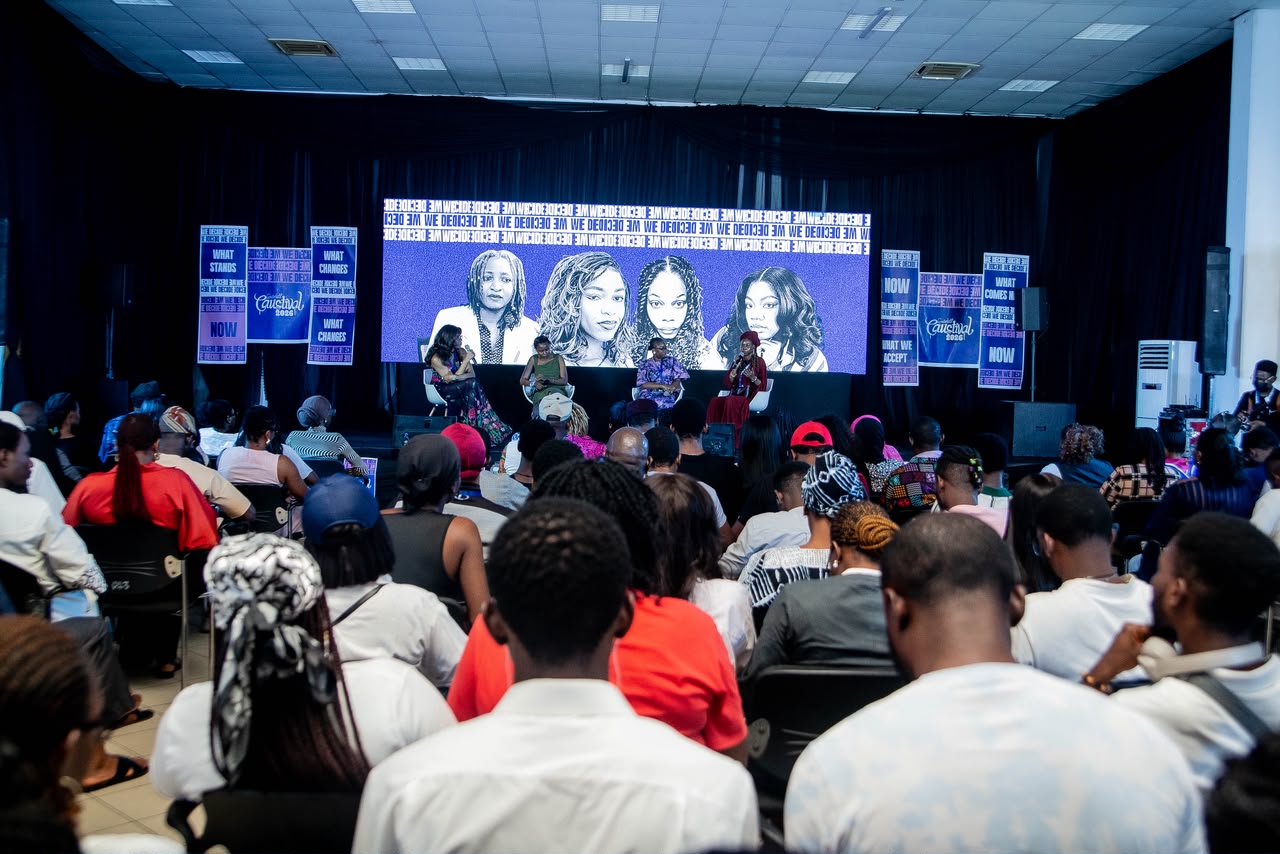
Students do not just use AI. They help create and question it. They look at real public conversations and learn to identify empathy, civility, trust, democratic agency, and other aspects of political communication. Their input is used to train AI systems that can do similar analysis on a larger scale. This changes the usual relationship between young people and AI.
Instead of technology just trying to grab their attention, young people are teaching technology how to recognize what is needed for healthier societies. This is the type of AI education Africa should lead.
Nigeria Must Build This Capacity Before 2027
The impact on the upcoming election is huge. Imagine being able to spot that harmful language against a specific ethnic or religious group is growing in a region before it leads to real violence. Or journalists being able to tell the difference between a single offensive post and a wider pattern of coordinated attacks.
Also, imagine being able to find communities where Nigerians are responding to political disagreements with empathy, patience, and unity, and learning from them. The DDI is meant to help make these patterns clear.
Fact-checking is still very important, but finding out if a claim is true or false is only part of the problem. A true statement can still be used to dehumanize. A political conversation with no outright lies can still become very hostile. Societies can face serious democratic issues through cynicism, distrust, and political helplessness without one viral fake news story causing it. We need to understand the state of the conversation itself.
Can Africa help create AI that supports human dignity, democratic actions, and social unity?
Nigeria should be at the center of this discussion. Its rich mix of languages, religions, ethnic groups, and cultures makes democratic living challenging, but it also makes Nigeria an important place for understanding how people get along despite differences. That knowledge matters globally.
On Monday, students and faculty involved in the Democracy Discourse Index project will gather in a global virtual forum to share what they have learned from their work in different societies. The event is free and open to anyone interested in exploring how universities can use AI to not only boost productivity but also strengthen democratic citizenship and create better futures for their societies.
As Nigeria gets ready for its first general election in the age of generative AI, we must aim to build the knowledge, technology, ethics, and civic skills needed to recognize and strengthen what can unite our societies.


Drop your comment
No comments yet — be the first to drop the gist 👇