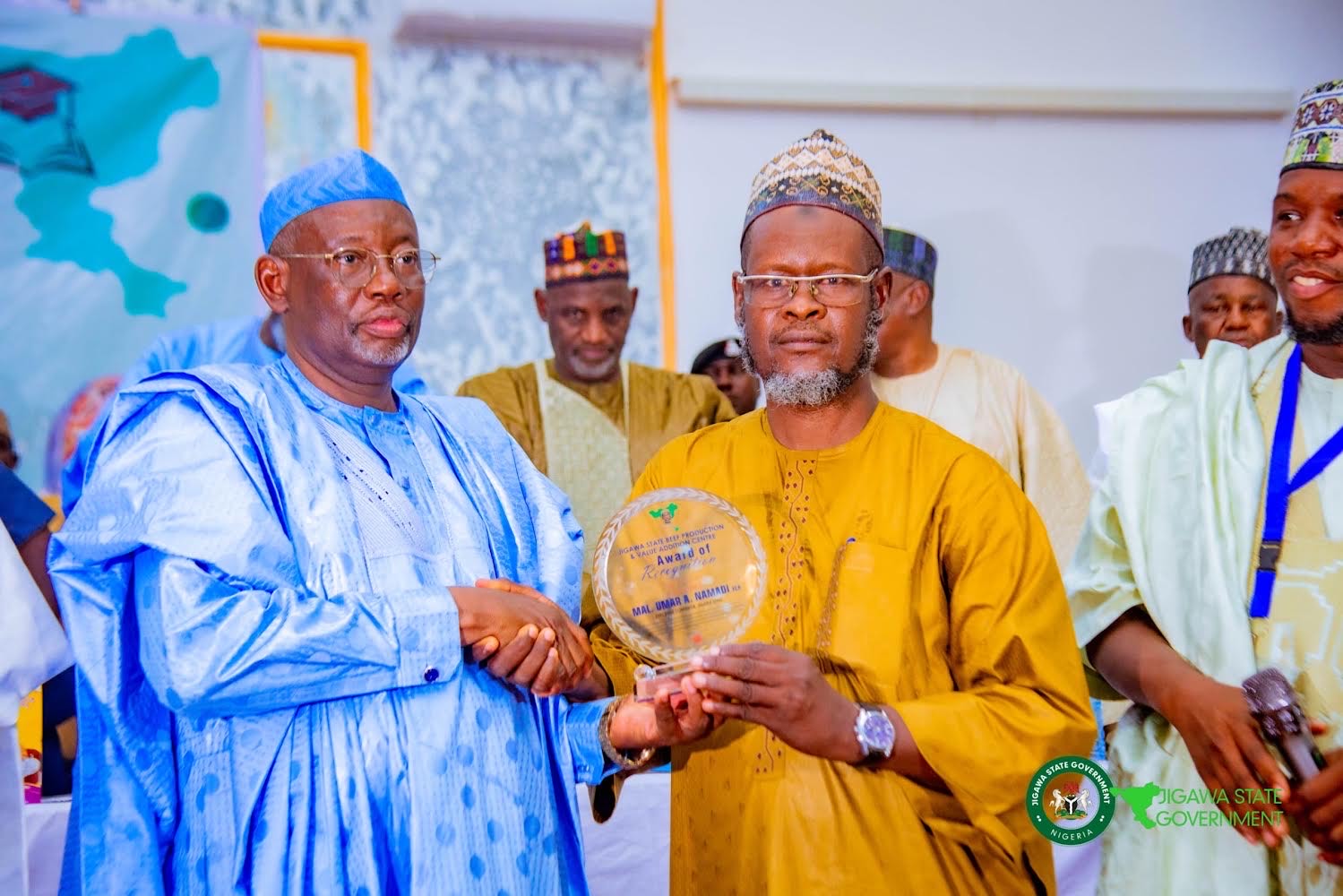
Governor Umar Namadi has said that Jigawa State's next phase of development will focus on knowledge, research, and evidence. He called for better teamwork between the government and academics to find practical solutions to the state's development problems.
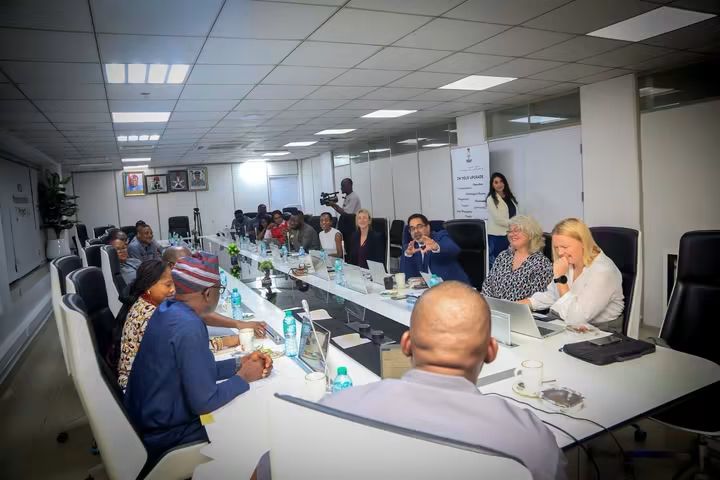
The governor spoke on Saturday during a meeting with the Forum of Jigawa Academics at the Banquet Hall, Government House, Dutse. He reviewed the progress made under his administration’s 12-Point Agenda and stressed the need to build on the achievements of the past three years through evidence-based policymaking, innovation, and knowledge-driven development.
While welcoming academics, researchers, teachers, and intellectuals from universities across the country, Governor Namadi said this annual meeting is a key platform for informed discussions and practical ideas. These ideas will help improve the implementation of the 12-Point Agenda and push forward the vision of a Greater Jigawa.
He said that this latest meeting, the fourth in the series, aims to go beyond accountability. It will allow participants to analyze evidence, improve policies, and find out how knowledge can speed up the next stage of the state's growth.
"Our last meeting in May 2025 focused mainly on accountability. Today’s session, the fourth in the series, must go further by analyzing evidence, improving policy, and finding out how knowledge can speed up the next stage of our mission," said the governor.
Governor Namadi explained that since he took office in May 2023, his development plan is based on the 12-Point Agenda. He described it as a framework for giving responsibilities, tracking progress, measuring results, and turning government promises into real achievements.
He pointed out that the agenda is not just a fixed document. It was created based on evidence, changing realities, achievements, and the people’s expectations. It shapes sector development plans, annual budgets, and institutional reforms.
"Alhamdulillah, the progress we have made since we came into office shows a clear direction: building an inclusive and productive economy, expanding human development opportunities, improving infrastructure, protecting vulnerable people, boosting environmental resilience, and reforming public institutions," he said.
The governor emphasized agriculture as a key part of the state's economic transformation strategy. He said the government is working to shift the sector from subsistence farming to a productive, mechanized, and market-oriented system.
He mentioned that the state has set up the Jigawa Agricultural Transformation Agency, created a Ministry of Livestock Development, and started the Jigawa Farm Mechanisation Company to boost delivery across the agricultural value chain.
"The Mechanisation Company will run 60 centers with 400 tractors and 60 combine harvesters. This includes 100 tractors acquired through the President’s Food Security Support Intervention procured by the State Government at subsidized prices," he added.
The governor also spoke about partnerships with local and international organizations in areas like rice production, seed systems, livestock, dairy development, horticulture, irrigation, mechanization, and agro-processing.
He said the government is investing in agricultural research and knowledge development. This includes support for 10 PhD and MSc researchers under the Wheat Value Chain Research Programme and postgraduate training for more than 80 Jigawa academics in agricultural fields. Specialized training has been provided for over 100 livestock officers through a partnership with India’s National Dairy Development Board.
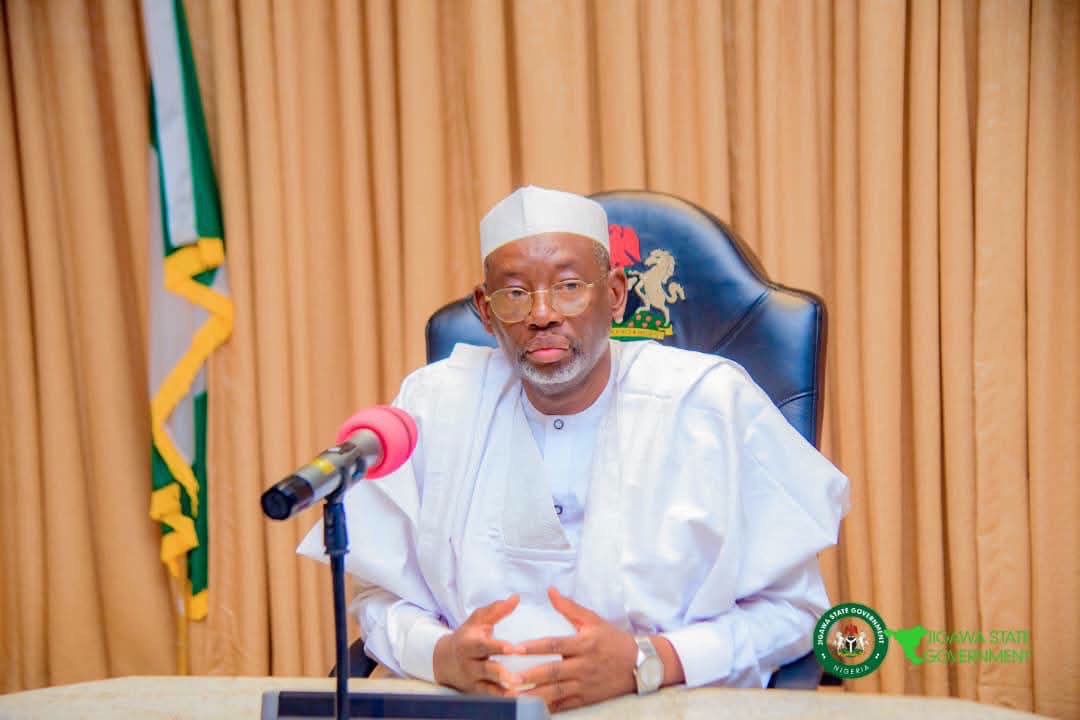
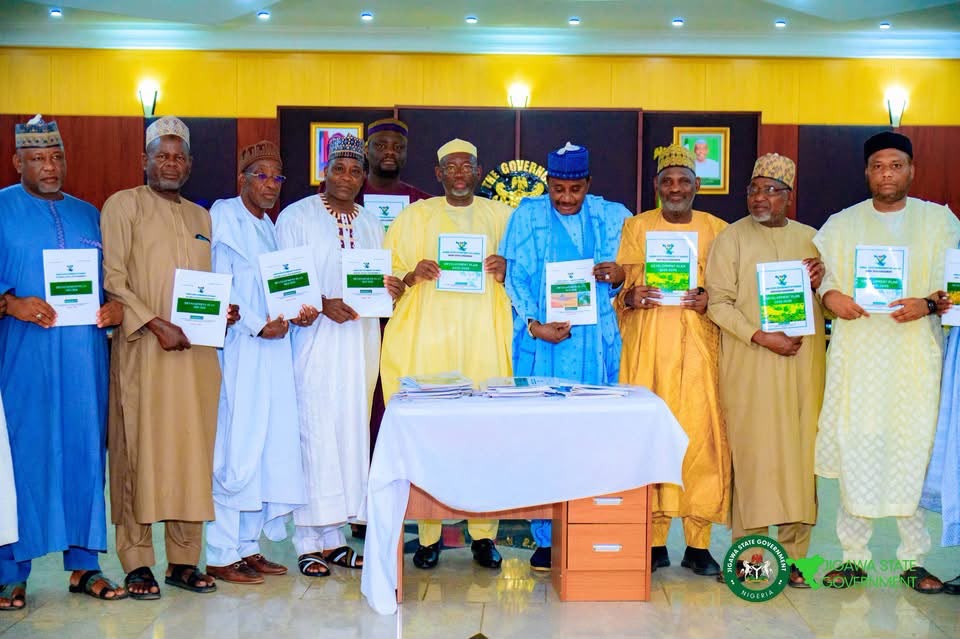
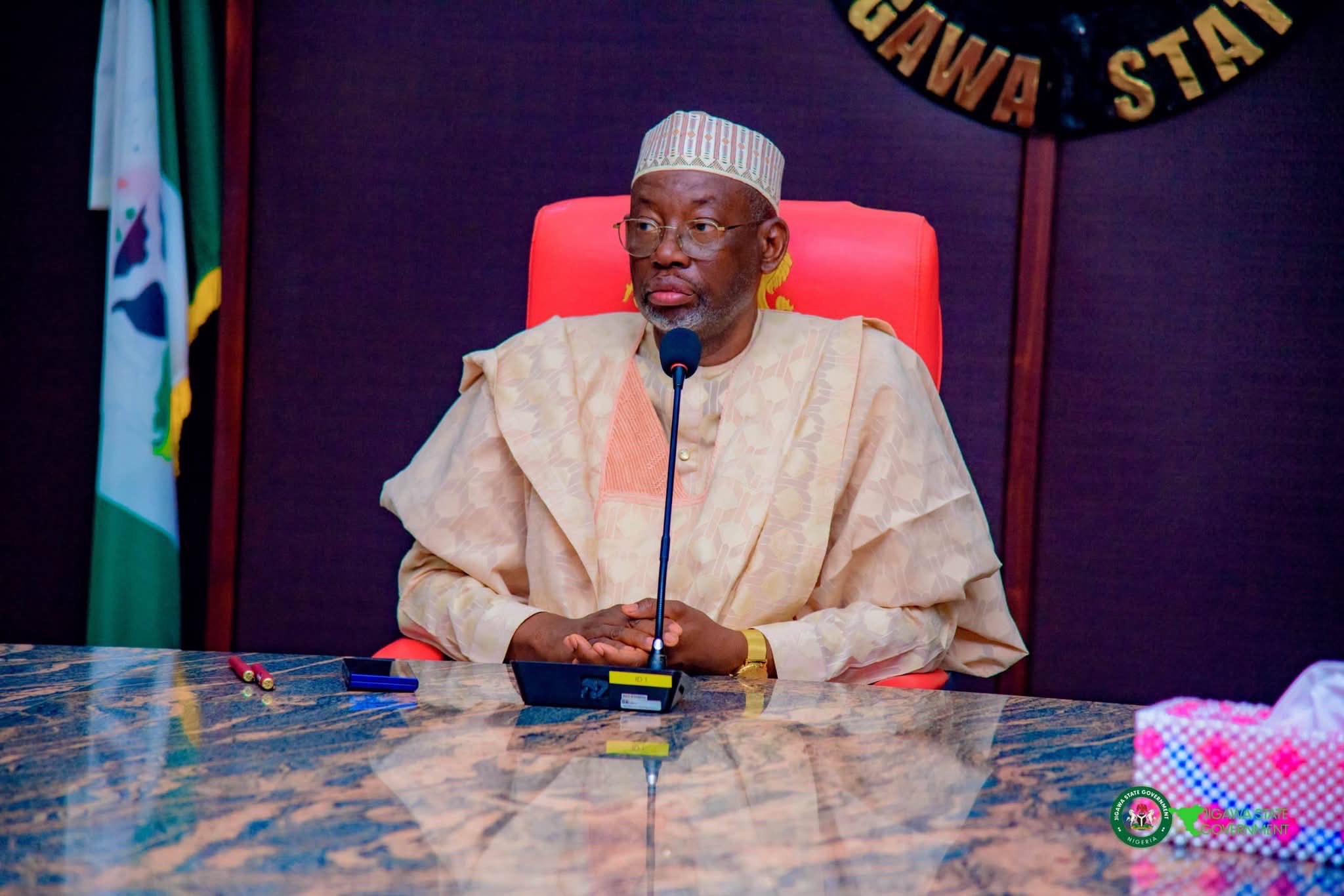
On education, Governor Namadi said the state is prioritizing the sector by allocating at least 26 percent of its annual budget to it. He listed initiatives covering infrastructure, instructional materials, ICT tools, teacher development, girl-child education, Tsangaya, nomadic and mass education, and transforming selected secondary schools into Centres of Excellence.
"To tackle the shortage of qualified teachers, we hired 7,500 J-TEACH staff in basic education. Out of these, 3,000 became permanent and pensionable teachers after thorough training and selection. We have also made plans to hire another 4,000 J-TEACH personnel and 660 permanent teachers. At the post-basic level, we brought in nearly 2,000 J-TEACH personnel, with 1,000 gaining permanent and pensionable positions. We also deployed over 2,100 graduate teachers, employed about 270 more, and engaged hundreds of non-teaching staff," he stated.
At the tertiary level, he noted that the government has supported the state’s seven institutions through infrastructure, accreditation, utilities, institutional strengthening, and staff development. More than 90 academic staff have been sponsored for higher degrees in India.
In the health sector, Governor Namadi mentioned that the state has revitalized 180 primary healthcare centers for 24-hour services. It has completed and equipped general hospitals in Gwiwa, Garki, Gantsa, Guri, and Gwaram, started new hospitals in Kafin Hausa and Ringim, and opened the Kazaure Specialist Hospital.
He added that the state has recruited over 1,370 permanent and pensionable health workers and expanded specialist services. This includes free dialysis and treatment for diabetes, hypertension, and sickle-cell disease.
On infrastructure, Governor Namadi said the state has completed more than 300 kilometers of inherited road projects. Since 2024, 59 contracts for construction, rehabilitation, and maintenance covering about 1,100 kilometers have been awarded.
He added that the total inherited and newly awarded road portfolio covers roughly 1,500 kilometers and is valued at about ₦420 billion.
The governor also talked about progress in power, investment, employment, environmental protection, and social welfare. This includes the state’s renewable energy initiatives, investment facilitation efforts, and youth and women empowerment programs.
He revealed that the state’s internally generated revenue has seen significant growth. The average monthly IGR rose from about ₦1.1 billion in 2023 to over ₦5.2 billion in 2025. Annual collections increased from about ₦27.5 billion to over ₦66 billion.
Governor Namadi said the next phase of the administration will focus on three priorities. These are completing ongoing programs, using evidence to find out what works, and making successful reforms permanent.
He mentioned that the state’s 12-Point Agenda aligns with President Bola Ahmed Tinubu’s Renewed Hope Agenda. This is especially true in food security, economic diversification, livelihoods, infrastructure renewal, and human capital development. He highlighted federal assistance in agriculture, education, water supply, roads, SME financing, skills development, and social welfare that are supporting development in Jigawa.
Drop your comment
No comments yet — be the first to drop the gist 👇