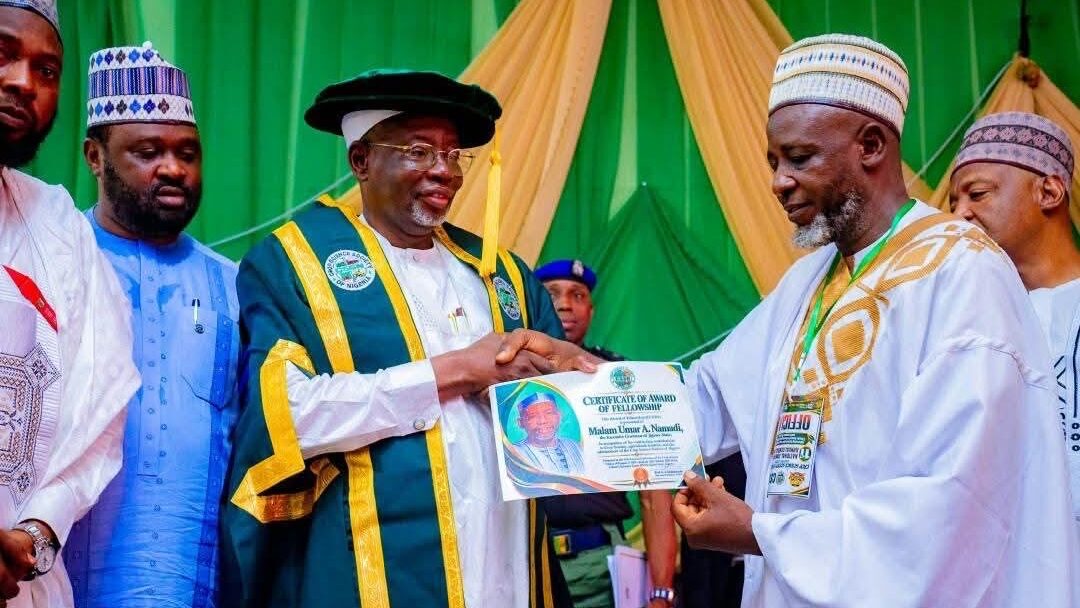
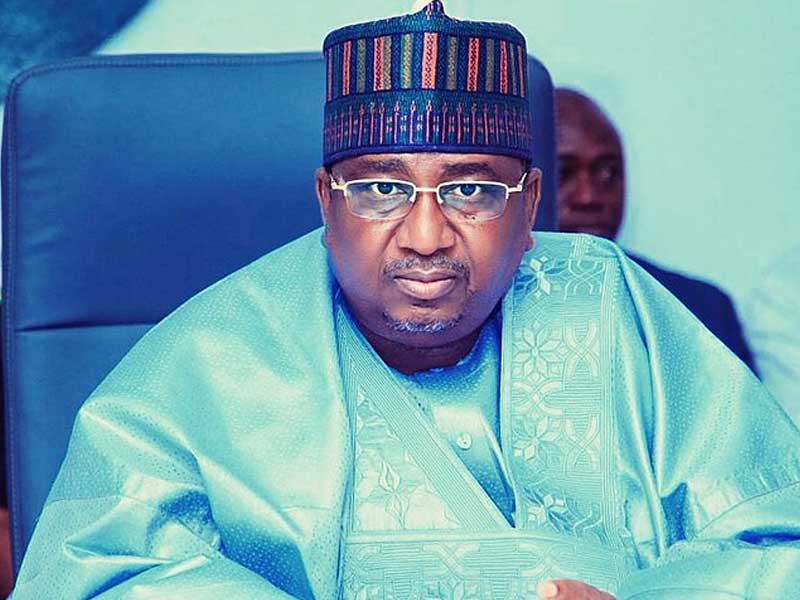
Jigawa State Governor, Umar Namadi, has pointed out that strong political leadership, agricultural research, and constant investment are key for transforming agriculture, boosting food security, and creating jobs for farmers in the state.
The governor said this on Monday while speaking at the 11th National Annual Conference of the Crop Science Society of Nigeria (CSSN). The event took place at the Nuhu Muhammad Sunusi Auditorium, Federal University, Dutse.
The conference focused on the theme, “Advancing Sustainable Crop and Climate-Smart Technology for Food Security and Economic Growth.”
Governor Namadi mentioned that Nigeria’s rising population and the growing impacts of climate change require a new approach to farming. He emphasized the need for better technology, stronger research institutions, and supportive policies for farmers. He stated that using old farming methods alone will not solve today’s food production problems.
“A farmer with a hoe and old seeds cannot out-produce climate change,” he said.
He highlighted that agriculture is a key part of his administration’s 12-Point Agenda, backed by the Jigawa State Agricultural Policy 2024, 2030 and the State Agricultural Investment Plan. He also noted the need to improve coordination, investment, and service delivery in the agricultural sector.
The governor stressed the importance of scientific research in making agricultural policies and investments lead to real gains in productivity.
He shared that the state government has revamped and equipped the Jigawa State Agricultural Research Institute. They have supported postgraduate research through the Wheat Value Chain Research Programme and helped over 80 Jigawa academics with advanced studies in agriculture.
He mentioned partnerships with the International Institute of Tropical Agriculture (IITA), AfricaRice, CGIAR institutions, and other international research bodies. He also talked about working with the Sasakawa Africa Association. This collaboration has led to rice yield increases of between 43 and 48 percent and improvements in sorghum yields of over 60 percent compared to usual farming practices.
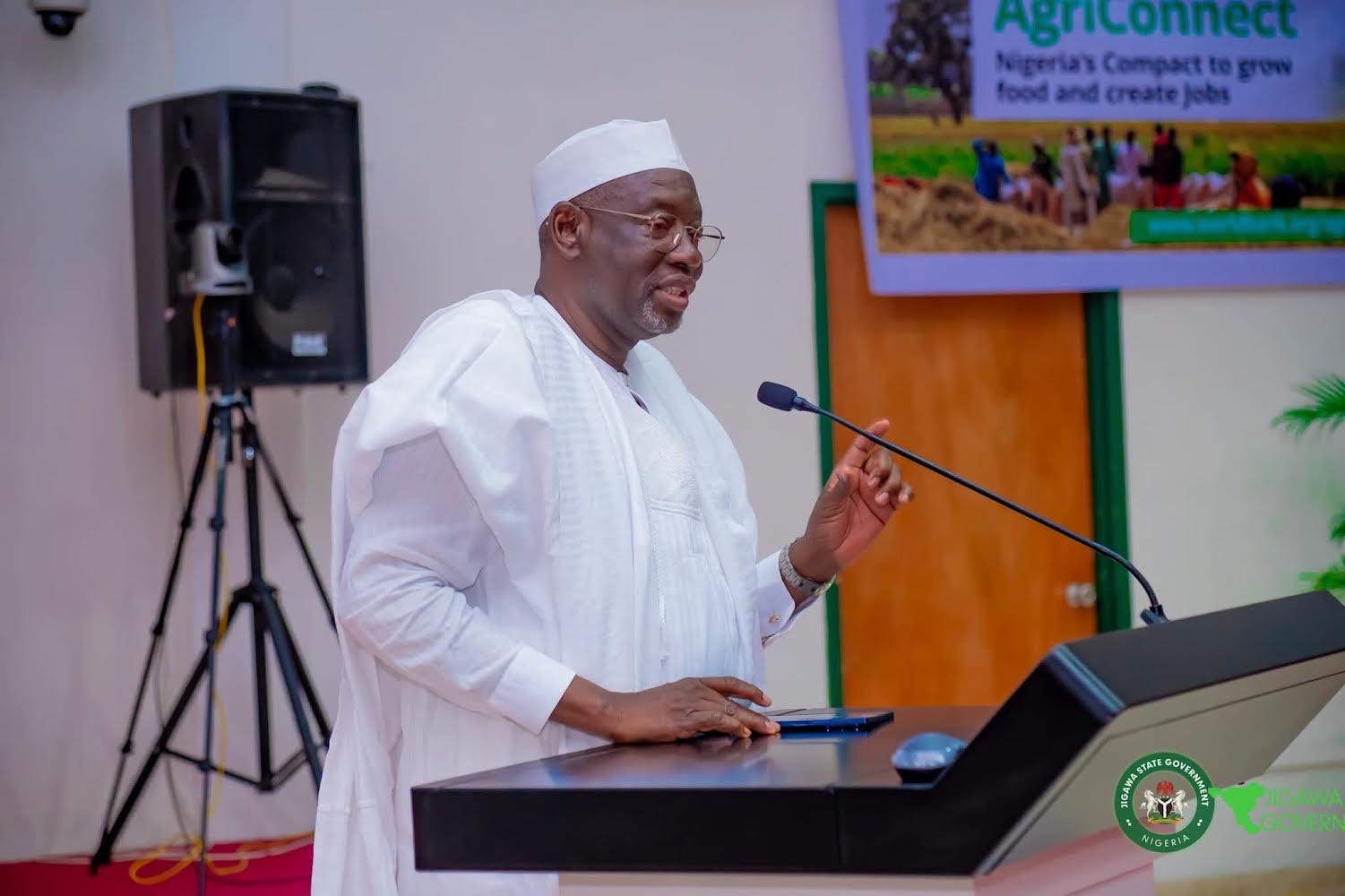
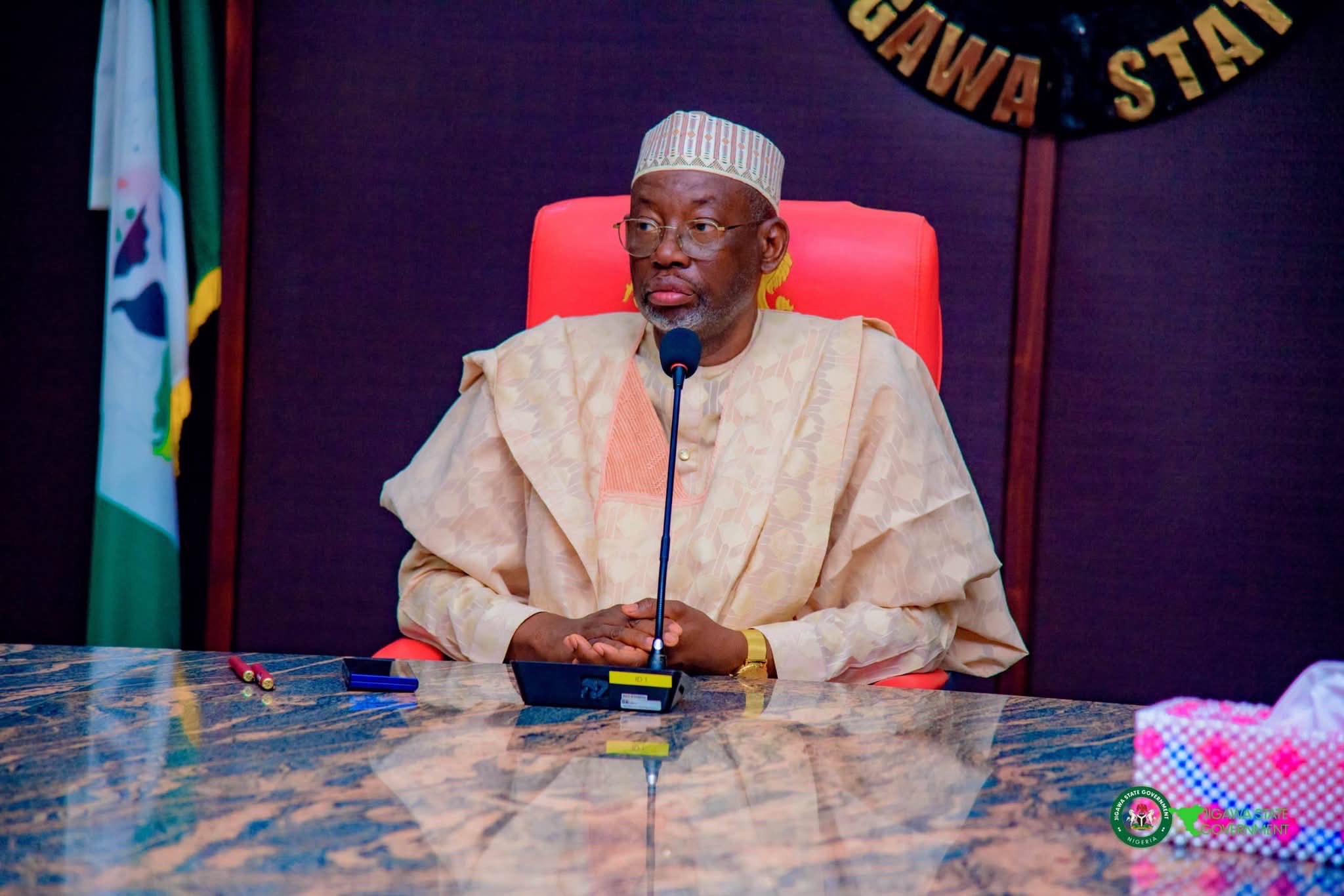
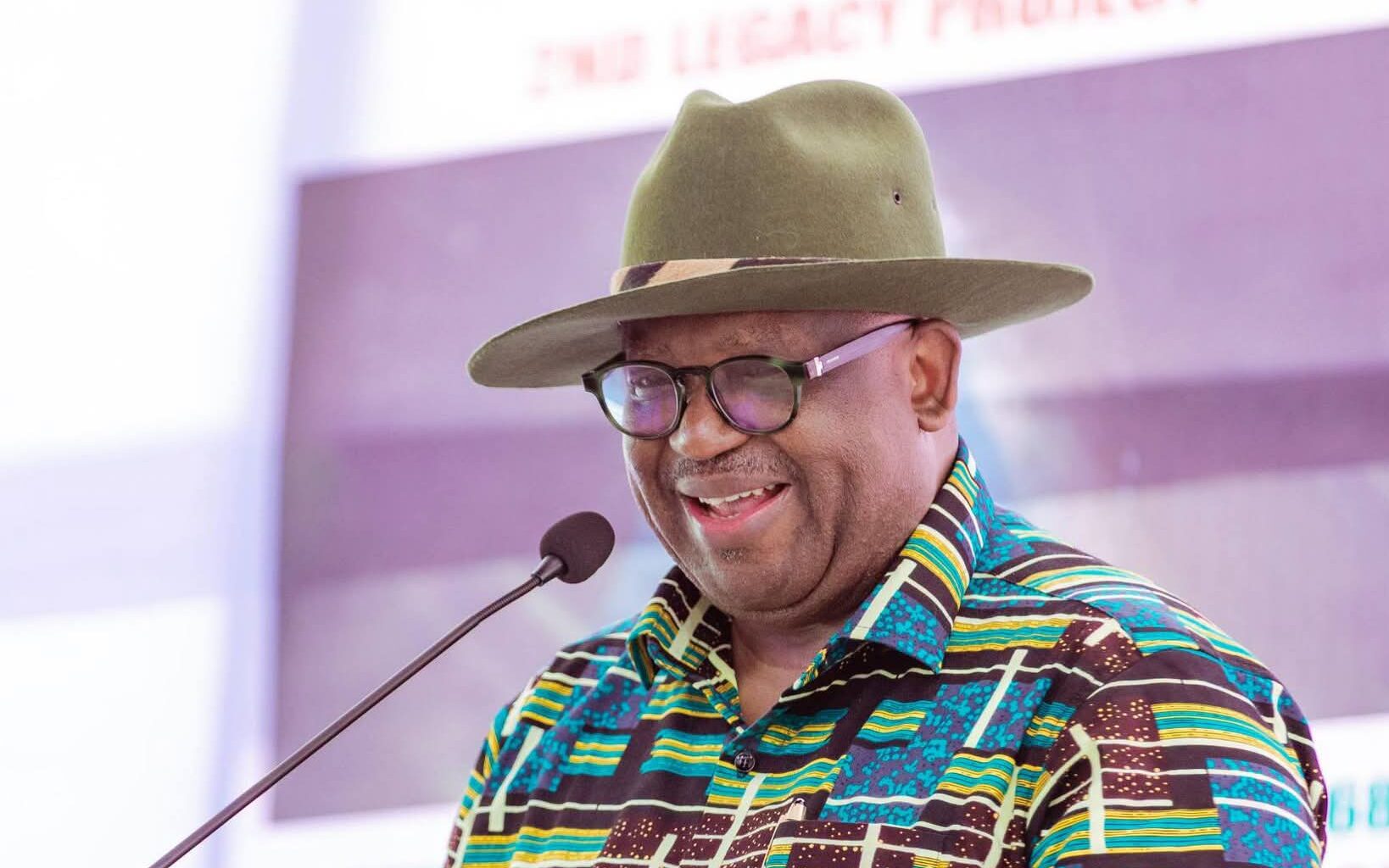
“We are building a strong pipeline of specialist knowledge because the true test of science is not just publishing but adoption: better varieties, healthier soils, more efficient water use, lower losses, higher yields, and stronger farmer incomes.”
On extension services and farmers’ access to technology, Namadi revealed that the state has sent out about 1,700 J-AGRO extension agents and distributed 1,185 motorcycles in 2026 to boost agricultural advice at the field level.
“We have created a digital farmer database and input voucher system to ensure support goes to real farmers, not ghost farmers. We have also set up Climate-Smart Agriculture Centres and twenty modern greenhouses for technology demonstration and vegetable production. Additionally, we are extending mobile veterinary services to all 287 wards in the state. When extension works, adoption follows, and when adoption follows, yields and incomes rise.”
The governor also detailed investments in irrigation and mechanization. This includes working with the federal government to develop about 18,000 hectares in the Hadejia area and providing 6,000 solar-powered irrigation pumps and borehole-based upland irrigation facilities.
He mentioned that over 250,000 farmers have received support with agricultural inputs, mechanization, and irrigation in the past three years. For the 2026 wet-season farming program, fertilizer support is aimed at 90,000 farmers.
Governor Namadi stated that the state is developing 200 integrated rice-processing clusters and supporting efforts in processing rice, sesame, hibiscus, and wheat. This will help add value, reduce post-harvest losses, and create market opportunities for farmers and agribusinesses.
He called for better teamwork between the government, universities, research institutions, development partners, and the private sector. He said agricultural research should directly meet the needs of farmers and the economy.
At the conference, the governor was awarded the Fellowship of the Crop Science Society of Nigeria. This was in recognition of his administration’s agricultural successes and contributions to farming development in Jigawa State.



Drop your comment
No comments yet — be the first to drop the gist 👇