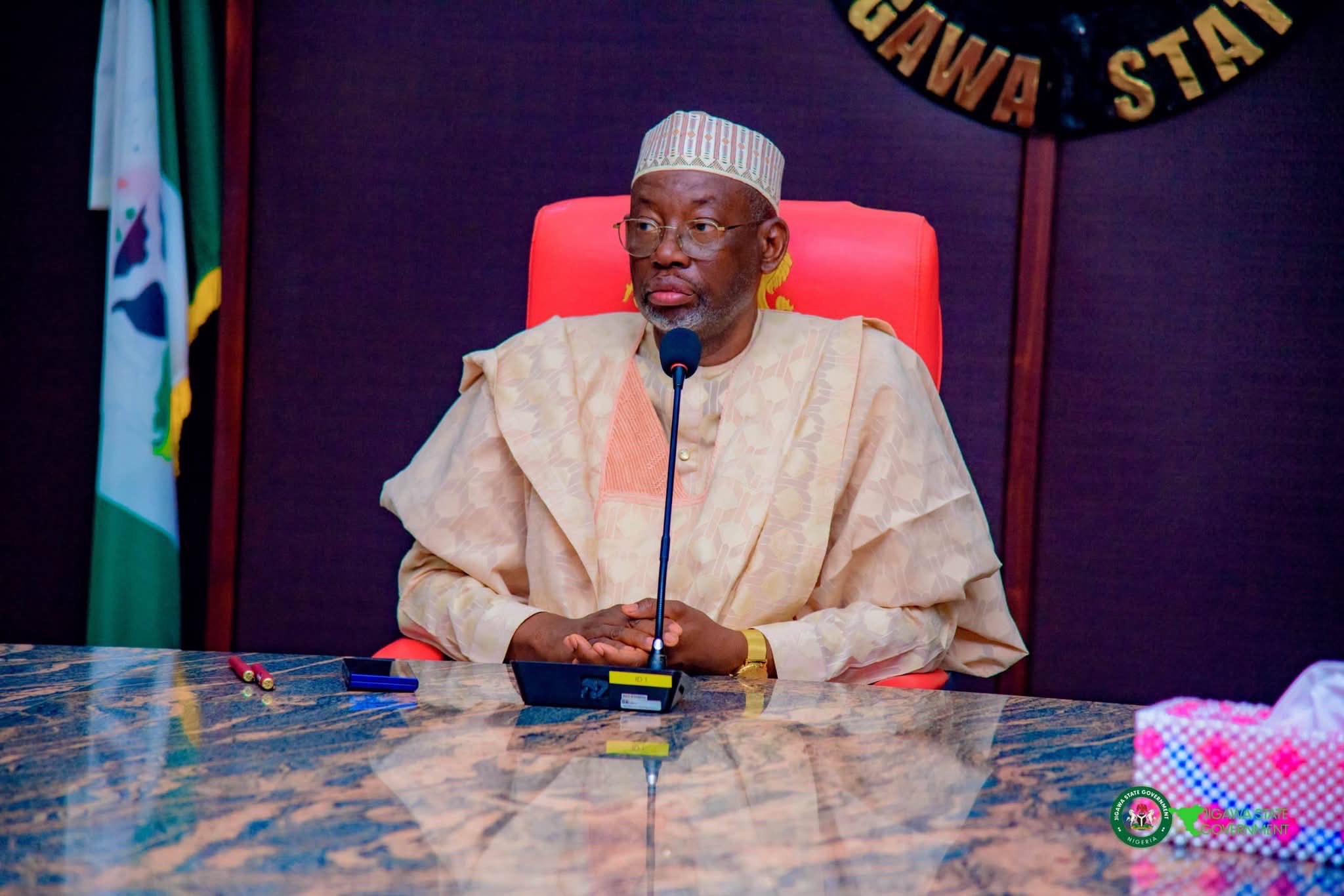
On 27th August 1991, Jigawa State, known as ‘The New World’, was created from the old Kano State. Today, 27th August 2027, marks 35 years since Jigawa was formed. This is a good time to look back at its journey, celebrate what it has achieved, recognize its challenges, and think about what lies ahead.
After 35 years, Jigawa is at a key point in its growth. Governor Umar A Namadi, who took office on 29th May 2023, is working to build a more productive and self-reliant state. He is focused on his 12-Point Greater Jigawa Agenda, which includes agriculture, education, healthcare, infrastructure, industrialization, human capital, technology, social protection, security, and economic diversification.
The main idea is clear: Jigawa has many human and economic resources that must be turned into real opportunities for its people.
The success of the administration should not only be about the number of projects finished. It should also be about creating institutions and an economic system that can support development beyond any single government.
A key aspect of this administration is citizen involvement through “Gwamnati da Jama’a.”
By allowing citizens to meet directly with government officials, discuss projects, and voice concerns, the government understands that real development needs active participation from the people, not just passive acceptance.
Focus on Agriculture
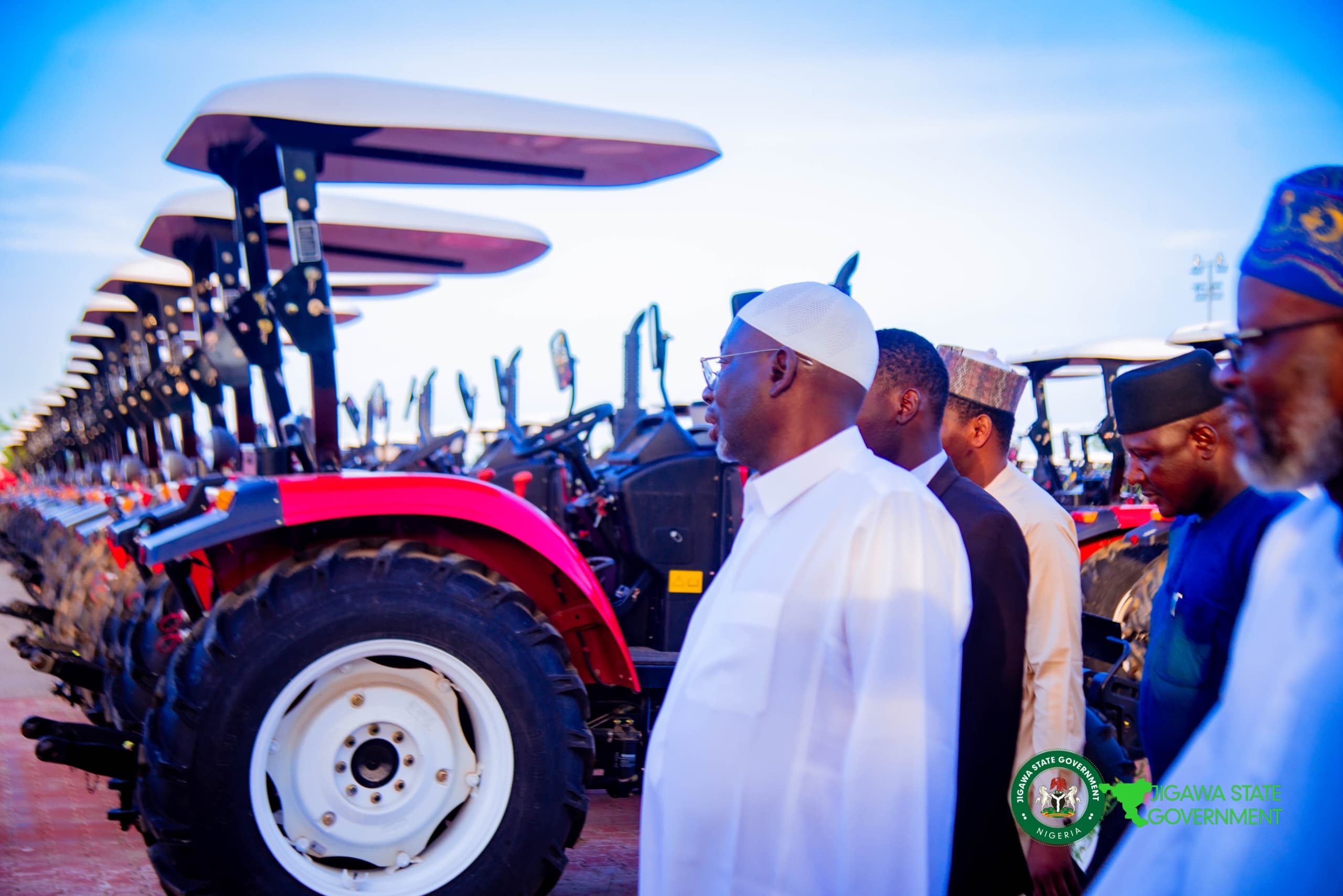
Agriculture is vital for Jigawa's future. About 80 to 90 percent of the people rely on it for their livelihoods. The government wants to shift agriculture from basic farming to commercial production through irrigation, mechanization, and support services.
They have set up 60 agricultural service centers. These centers are equipped with machinery and staff to help farmers access modern farming techniques.
The revival of the Jigawa Research Institute in Kazaure also aims to boost agricultural research. It will provide farmers with reliable information on the best crops and farming methods.
A planned partnership with EFC Plants from Egypt on plant tissue culture technology for date palm and Irish potato farming could be a game changer.
This technology could help Jigawa produce high-quality, disease-free planting materials locally while also allowing for training and private investment.
This kind of change is what Jigawa needs at 35: focusing on producing better, increasing productivity, and building value chains around agricultural products.
Industrial Growth
Industrialization is another key part of the Greater Jigawa vision. The government knows that agriculture alone cannot create enough jobs or diversify the economy.
They are looking for private investments to boost industrial development. Reports suggest investment promises of about $1 billion, which could create 60,000 jobs. But these investments must translate into real businesses and local job creation to have lasting value.
Developing Human Capital
Developing human capital is essential. The government has set up eight centers for Technical and Vocational Education and Training (TVET) and seven technical secondary schools. This shows their effort to align education with job needs and entrepreneurship.
They have also approved training for 100 people in technical trades in India and China. Additionally, 928 young people have graduated in new technologies through the World Bank-supported IDEAS Project.
Dr Moruf Olatunji Alausa, the Federal Minister of Education, praised Jigawa’s skills training facilities during his visit. This shows the state's commitment to practical and relevant education.
Emphasis on Education
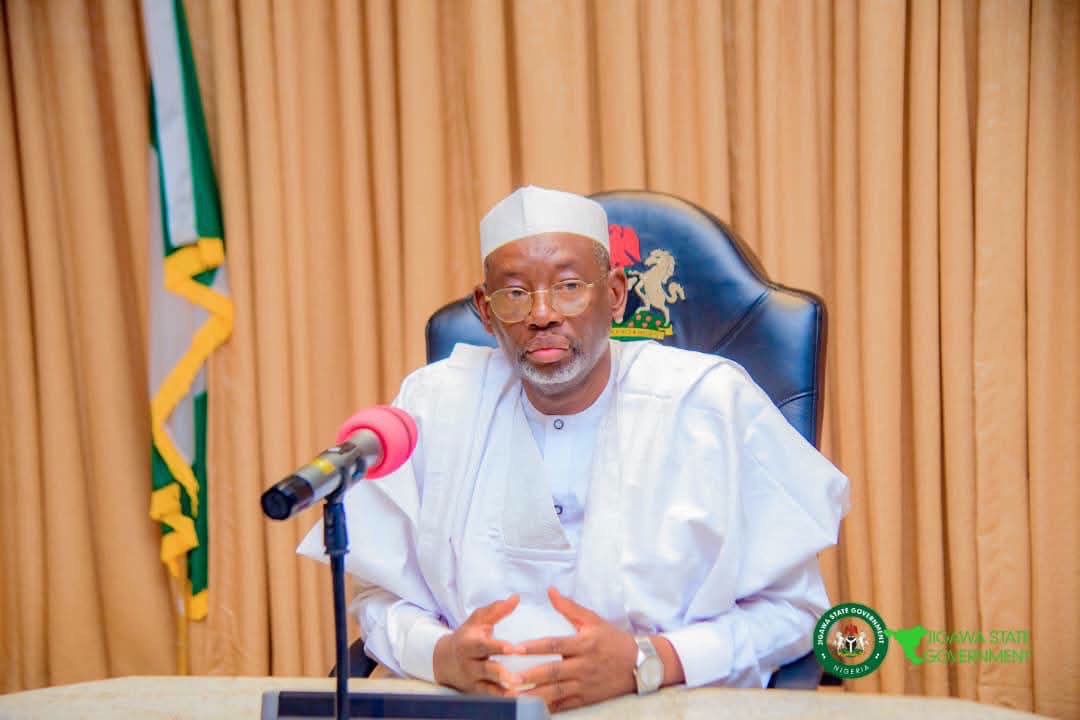
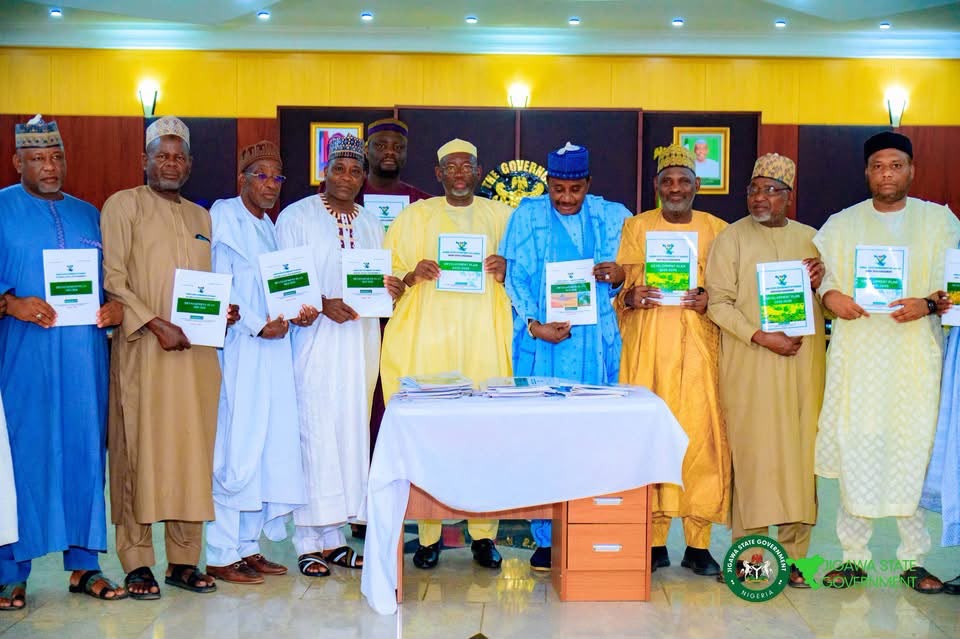
Education remains a top priority. Improvements in school infrastructure, teaching, learning materials, and scholarships are in place. Special programs are also targeting girl-child education.
They distributed 48,300 school uniforms, 15,000 school bags, 40,000 sanitary pads, 4,000 writing materials, and 40,000 exercise books. There are also 22,500 junior secondary school uniforms, 11,000 uniforms for nomadic schools, and 3,800 uniforms for Almajiris in integrated Tsangaya schools. There are also efforts in healthcare and infrastructure.
Healthcare and Infrastructure
Investments in healthcare facilities, equipment, and staff aim to improve services, especially at the primary level. Roads, housing, schools, and other infrastructure support business, movement, and economic activity.
These efforts are connected. Roads help trade; education builds skills; healthcare maintains productivity; agriculture provides jobs; industrialization creates work; technology enhances efficiency, and security ensures safety for people and investments.
Importance of Security
Security is vital for this foundation. Jigawa's relative peace is a big advantage for growth. Collaborations with security agencies and community initiatives, including support for logistics and information sharing, strengthen the environment needed for investment.
Continuity in Governance
Another important aspect of this administration is continuity. Instead of starting new projects, they focus on completing and expanding those started by previous governments. This approach can reduce waste and ensure that public investments yield better results over time.
At 35, Jigawa needs this kind of institutional maturity. Development should not begin again every time there is a change in leadership.
Governor Namadi's focus on appointing people based on knowledge and integrity shows the value of strong institutions. He believes that public officials should see their roles as a trust that requires accountability and commitment.
Vision for Greater Jigawa
Yet, celebrating progress should not replace careful examination. The Greater Jigawa Agenda must be judged by real results: sustainable jobs, successful farmers, quality education for children, skills for young people, and effective public services.
As Jigawa starts this new phase, the goal is to turn its strengths, like good land, human resources, strategic location, and entrepreneurial spirit, into advantages that attract investment and create wealth.
At 35, Jigawa needs more than just a list of government projects. It needs a strong development plan. The policies and programs from the Namadi administration show an effort to build this plan by linking agriculture, industrialization, human capital, technology, infrastructure, healthcare, education, security, and citizen involvement.
The journey is still ongoing. The real challenge is to implement these plans widely so that every local government area, community, farmer, student, entrepreneur, and vulnerable citizen feels the effects of development.
The promise of a Greater Jigawa should be measured not just from Government House in Dutse but from the villages, farms, schools, markets, and communities where everyday people live and work.
After 35 years, Jigawa has many reasons to celebrate its journey. Yet, the most meaningful celebration is not just looking back; it is also about looking ahead with determination to build on past achievements.
Governor Umar Namadi’s main task is to strengthen these foundations: build institutions, create economic opportunities, improve human skills, attract investments, and ensure that development includes everyone.
Jigawa at 35 is a significant milestone. The Greater Jigawa vision points to the journey ahead.


Drop your comment
No comments yet — be the first to drop the gist 👇