
The Kaduna State government is working hard to improve primary healthcare by adopting the Open Government Partnership (OGP) framework across its 23 local government areas.
This commitment was highlighted on Monday during the start of a three-day workshop for local government chairpersons and key stakeholders in Kaduna.
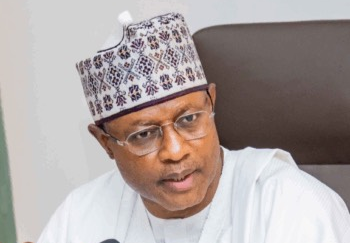
At the event, the Commissioner for Health, Umma Ahmed, said real improvements in health can only happen when the government is open, inclusive, and accountable to the people.
Ms Ahmed mentioned that Kaduna is a leader in Nigeria's OGP journey. The state has implemented State Action Plans, achieving success in areas like fiscal transparency, citizen engagement, procurement reforms, and social accountability.
She emphasized that local government is the backbone of Primary Health Care delivery. It is also where communities connect most directly with the government.
According to her, adopting OGP at the local government level brings many benefits, such as transparency and easy access to information for citizens.
The Commissioner for Budget and Planning, Mukhtar Ahmed, also spoke. He said their main job is to make sure every kobo spent by the government leads to real development for the people.
Mr Ahmed explained that the training workshop will help participants learn how to set up permanent dialogue mechanisms at the local government level, known as OGP Steering Committees.
"These structures will bring government officials and civil society representatives together to create your first Local Government Action Plans (LGAPs)," he said.
He added, "We are focusing this rollout on primary healthcare service delivery because health is the foundation of human development."
Mr Ahmed noted that open governance will enhance primary healthcare funding, improve resource tracking, and ensure that investments benefit vulnerable women and children in the state's 23 LGAs.
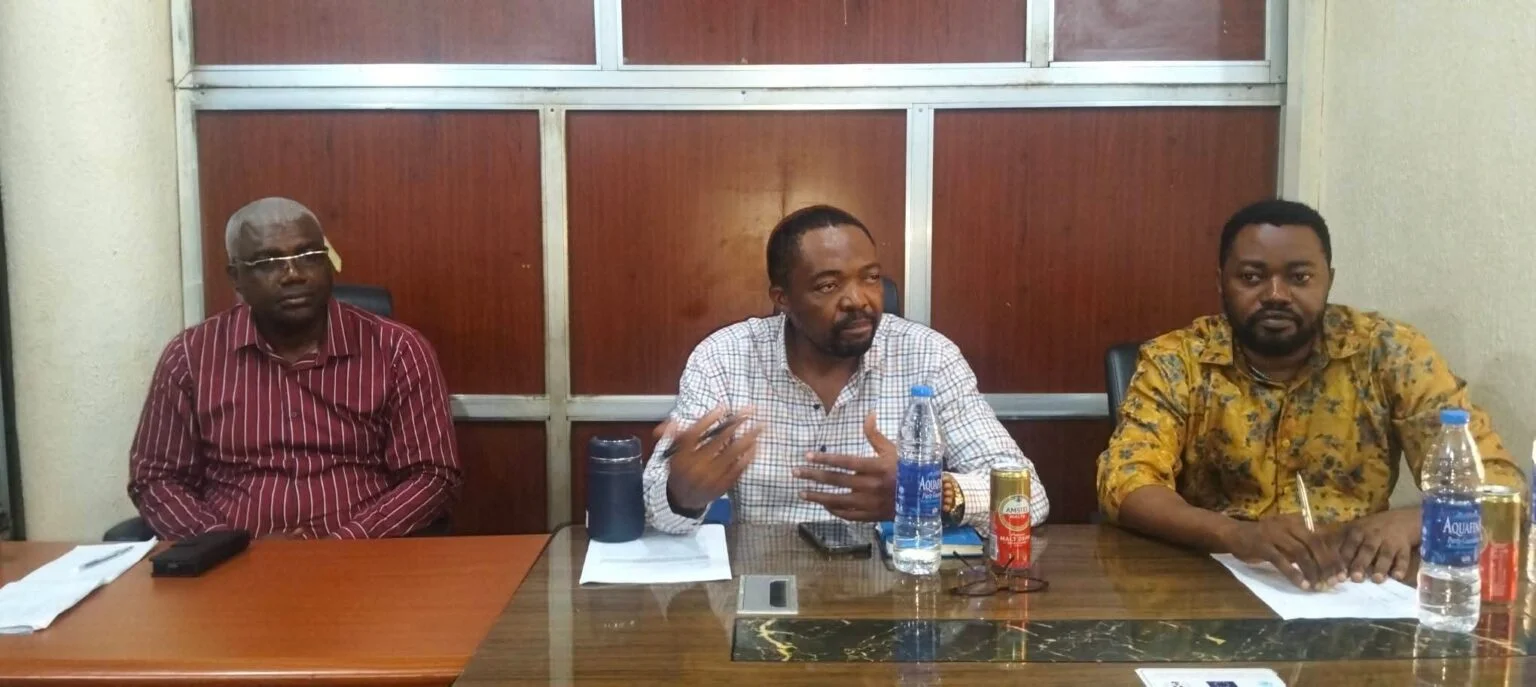
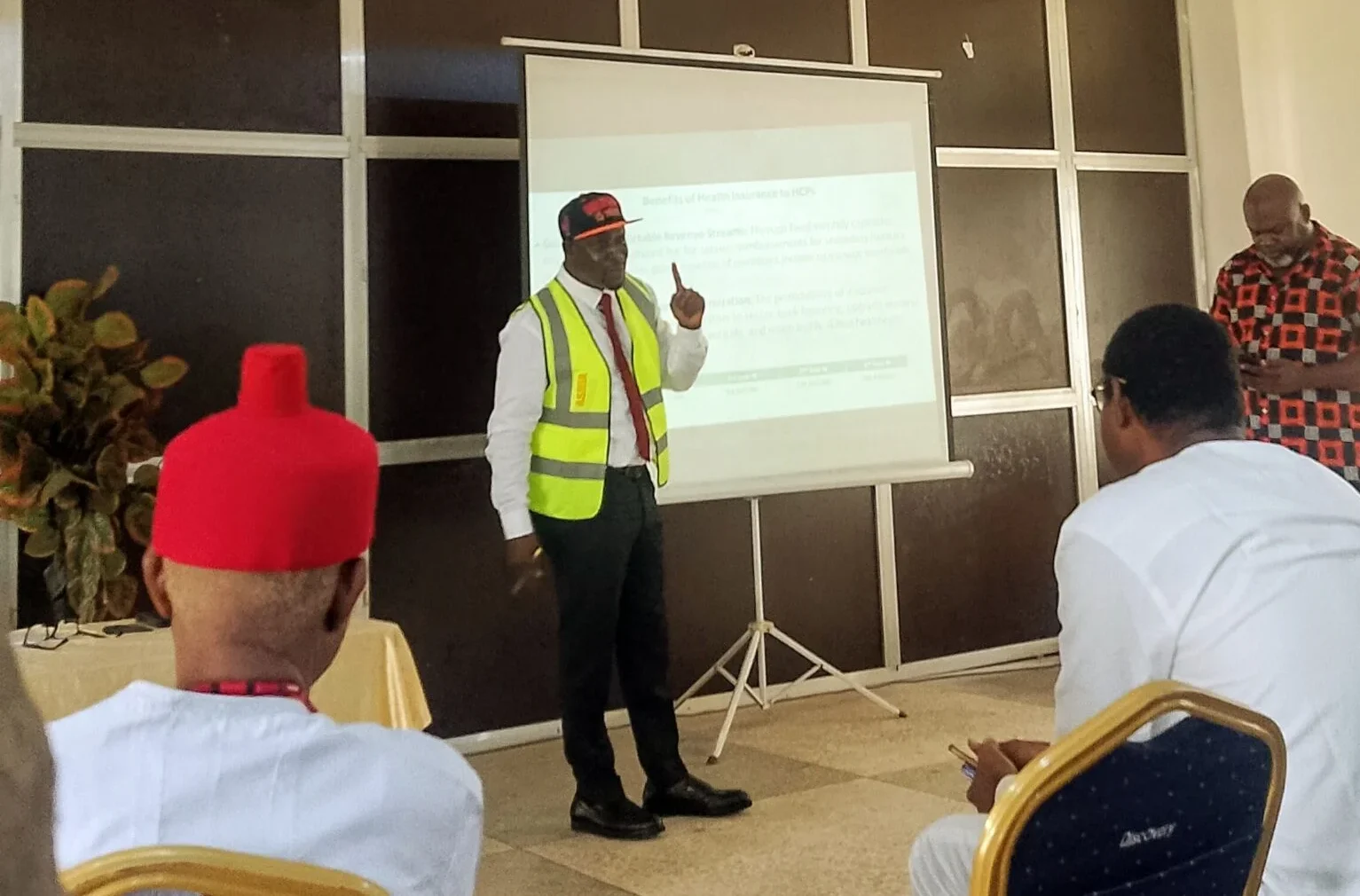
Anthony Shamang delivered a goodwill message on behalf of development partners. He said the OGP initiative helps engage communities and keeps health services available and responsive to people's needs.
He encouraged local government leaders to adopt open governance principles to build trust, encourage participation, and ensure accountability.
"By working together, we can create an environment where citizens are informed, involved, and can hold their leaders accountable for the quality of health services provided," Mr Shamang said.
Ekanem Isichei, the deputy director of communications at the Gates Foundation, also spoke. He praised Kaduna State for bringing local government chairmen together to turn OGP from theory into practice, focusing on strengthening primary healthcare.
He pointed out that the success of OGP will be judged not by plans or committees but by whether resources actually reach the facilities and services that benefit the people.
"This means setting clear, measurable priorities in your budgets and aligning spending to PHC outcomes, not just line items."
Mr Isichei also said it is important to track the release and use of funds regularly to ensure what is planned is delivered.
He urged participants to identify two or three financing or service delivery challenges they will address in the next 12 months and to track these publicly.
"If each LGA does this well, Kaduna State will not just implement OGP; it will show what accountable, results-driven governance looks like in practice."
He also confirmed the foundation’s support for the state in improving health financing, accountability, and service delivery systems.




Drop your comment
No comments yet — be the first to drop the gist 👇