As the 2027 elections approach, the African Democratic Congress (ADC) in Katsina State is not just divided; it has split into two rival groups. Both sides claim they are the legitimate ADC and are holding their own congresses and primaries.
The key issue is clear: Which group truly represents the ADC in Katsina State?
One faction is led by state chairman Musa Wamba, who has named Salisu Uli as its governorship candidate after a primary election.
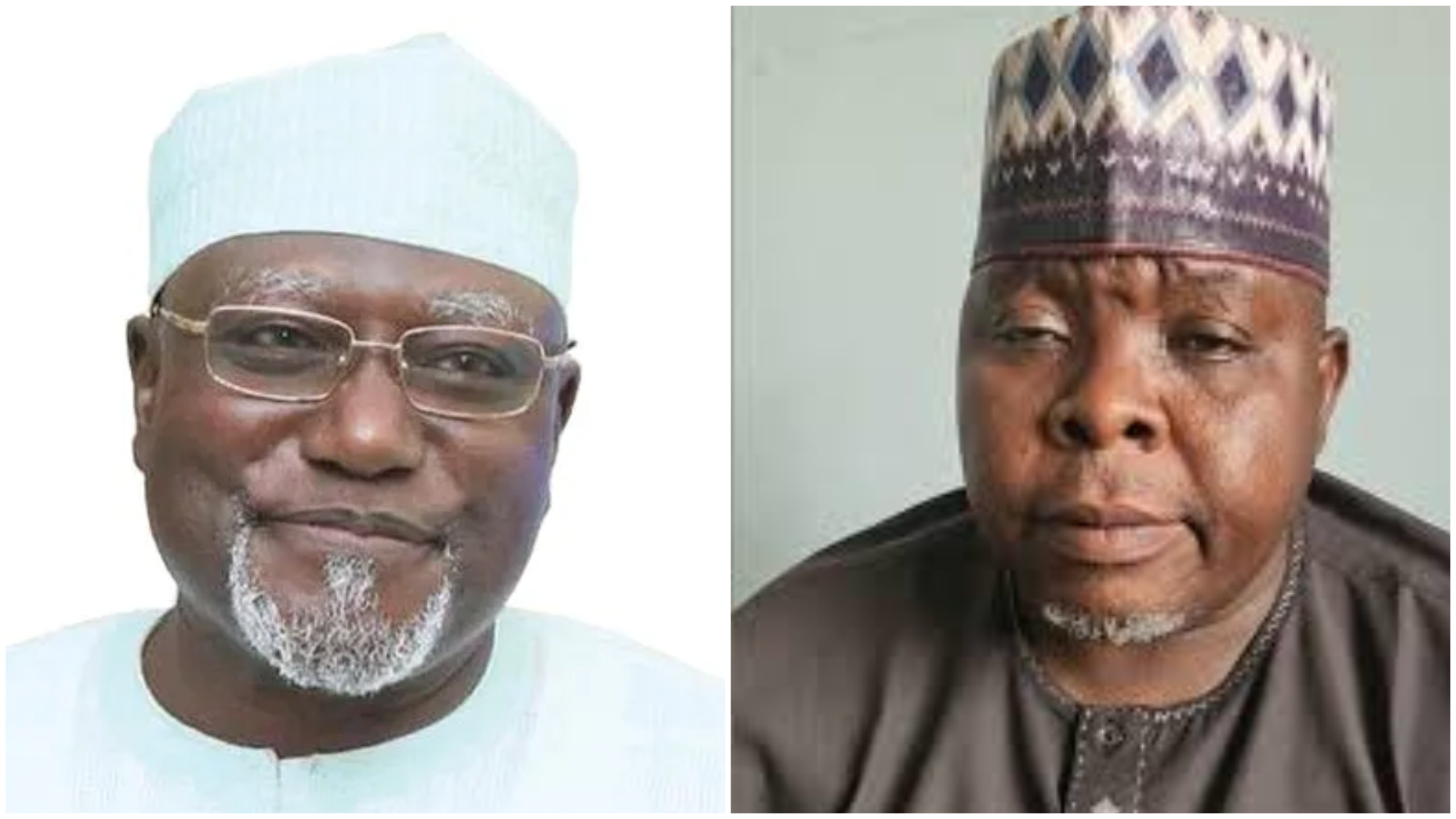
The second faction, headed by Muhammad Rimi, includes notable figures such as former Secretary to the State Government, Mustapha Inuwa; former Director-General of the State Security Service (SSS), Lawal Daura; former Senator Ahmed Kaita; and other aspirants.
While these two factions argue over who represents the ADC in Katsina, another internal disagreement has surfaced within Rimi's camp regarding how candidates were chosen. This situation is now causing a serious crisis that could hurt the party's chances as it tries to be a credible opposition ahead of the 2027 elections.
Fighting for control
The crisis is not new. For months, different groups have claimed control of the party's structure in Katsina State.
The Wamba-led group insists it is the official state leadership and that its congresses and primaries followed the rules. Through this process, they have named candidates for various positions, including the governorship.
On the other hand, Rimi's camp disputes the legitimacy of the Wamba group. This split has caused confusion among party members about which leadership and candidates truly represent the ADC.
Uli’s stance: “I came from the party”
Mr Uli has consistently denied claims that his candidacy came from a faction. In an interview, he said that recognized party structures held congresses and primary elections watched by officials from the Independent National Electoral Commission (INEC), security agencies, and the media.
“My candidature came from the party, not from a faction,” he stated.
He added that many disputes arise from efforts to act outside of recognized party structures. “When did INEC invalidate anything?” he asked.
Uli pointed out that INEC officials observed the party's activities, including the primaries that named candidates across the state. He mentioned attempts to reconcile differences between rival groups, including discussions about sharing power in different ways.
Proposals for arrangements such as 50-50, 30-70, and 25-75 were put forward, but no agreement was reached. The disagreement has now gone to the Court of Appeal.
Conflict within Rimi's camp
While the Wamba-Uli camp defends its primaries, another dispute has come up in the Rimi camp. This issue focuses on how to choose consensus candidates, especially for the governorship.
Mr Inuwa recently claimed that no valid primary election occurred in their camp. He explained that aspirants were initially told candidates would be chosen either by consensus from party members or through primary elections.
Instead, he alleged that a six-member committee was formed to assess and rank the aspirants. The committee reportedly placed Ahmed Kaita first and Inuwa second.
“As far as Katsina is concerned, primaries were not conducted,” Inuwa said to his supporters. He questioned how the committee made its decisions, arguing that only a few people should not decide for all party members.
Inuwa called for fresh primaries for governorship, National Assembly, and State Assembly positions.
Daura raises concerns
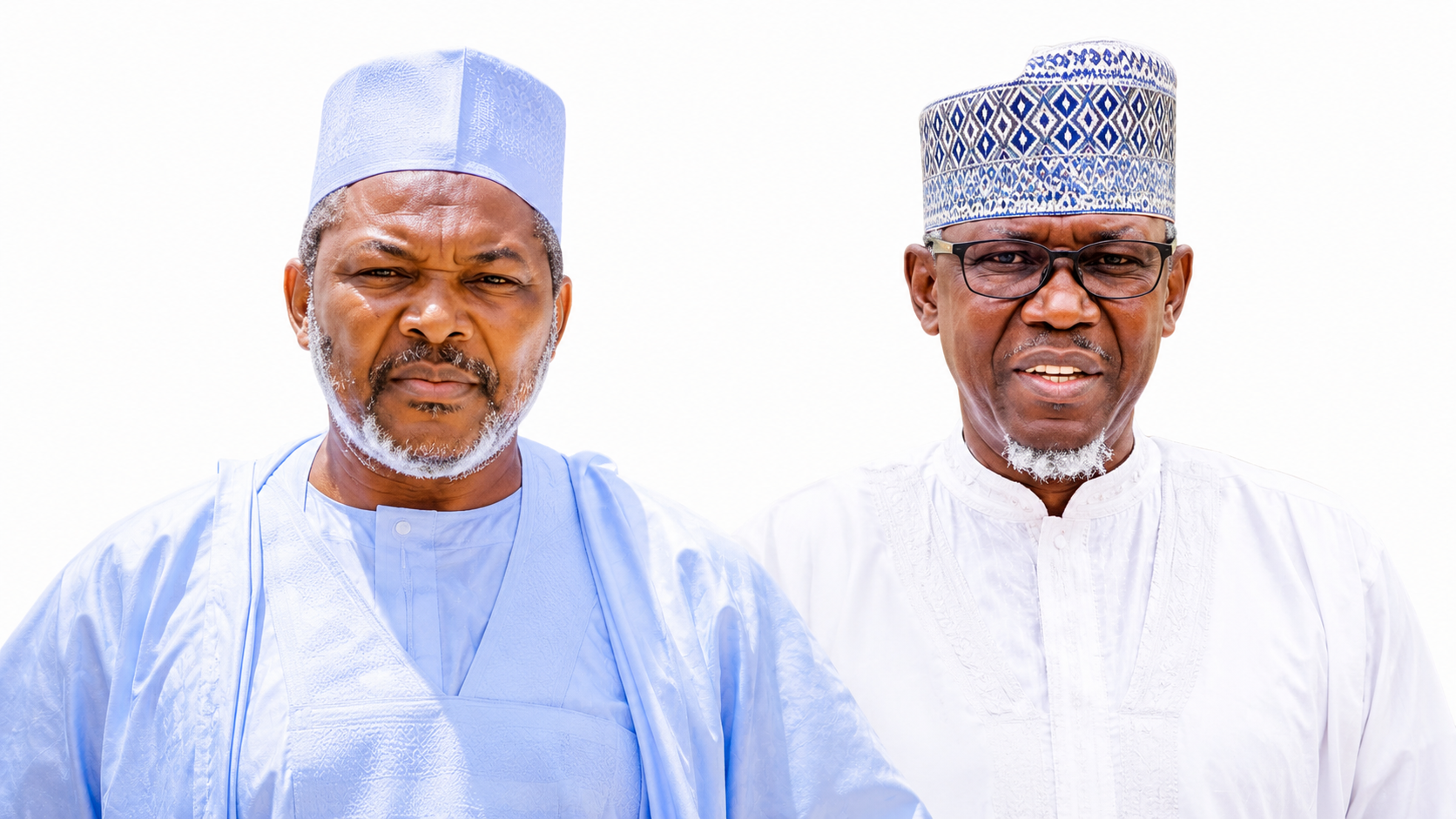
The situation worsened when Mr Daura openly rejected the process as well. The former SSS director-general insisted he is still in the race for governorship and denied that he accepted a senatorial ticket.
“We have consistently maintained that the process must follow the law, either through a proper consensus or direct primary elections,” he stated.
He also questioned claims that aspirants agreed on a consensus candidate and said not everyone was informed about how the process worked. “No one has been clearly informed of how such an outcome was achieved,” he said.
Unlike Inuwa, Daura suggested they might take legal action. “If the law is not followed, going to court is one way to enforce it,” he said. He hinted at possible political changes if the dispute is not resolved.
The Babangida Talau claims
One of the most heated points in this crisis is the claim that governorship aspirants agreed to choose Ahmed Kaita as a consensus candidate. This issue intensified after Babangida Talau, who says he is the secretary of a stakeholders committee in the Rimi camp, claimed such an agreement was made.
Inuwa and Daura's supporters disputed this claim. They challenged the supporters of the consensus candidate to provide proof that all aspirants agreed to this arrangement. They argued that any valid consensus must be backed by a written agreement signed by all involved.
Supporters questioned why Inuwa and Daura reject the process if a binding consensus was reached. This disagreement has become one of the most contentious parts of the crisis, with both camps telling different stories about what happened during discussions.
A complex situation
Ironically, the Rimi camp, which is challenging the Wamba-led structure, is facing its own questions about how it operates internally. While Rimi's leaders argue that Uli's candidacy came from an illegitimate structure, Inuwa and Daura are questioning how Kaita emerged as the preferred candidate in their own group.
This results in a crisis with two layers. The first is about rival ADC structures fighting for legitimacy and control. The second involves one of those structures debating whether their candidate-selection process followed party rules and electoral requirements.
ADC leadership speaks out
The ADC national leadership admitted there were issues with the party's nationwide primaries but rejected calls to scrap the whole process. National Publicity Secretary Bolaji Abdullahi told journalists that this was the first time the party was holding a nationwide election.
“We admit that what we did was not perfect. It was not going to be perfect,” he said. He insisted that the mistakes made were not enough to invalidate the entire process.
“Any mistakes that occurred are not significant enough to question the credibility of the process,” he stated.
Regarding Katsina, he said no official result has been declared because appeals from the process are still being considered. “No result of the primary has been officially announced as I speak with you because many issues are still under appeal,” he explained.
He added that the party would take action if evidence of wrongdoing is found. “If there is clear wrongdoing or manipulation, we will not hesitate to invalidate the election outcome.”
Looking ahead
Several key questions are still unanswered. Will the rival groups come together and agree on a common leadership? Can the appeals process satisfy those who feel wronged? Could legal issues complicate plans for the 2027 elections? Most importantly, which candidates and party leaders will the national leadership and electoral authorities recognize?
For a party aiming to be a credible alternative to the ruling APC, the answers to these questions are crucial.
What started as a fight for a governorship ticket has turned into a larger battle over legitimacy, party democracy, and control of a key ADC chapter. How the party addresses this conflict could shape its future in Katsina and its ability to handle diverse interests in a growing opposition coalition ahead of the 2027 elections.

Drop your comment
No comments yet — be the first to drop the gist 👇